Stocks● Neutral
Judge Blocks NCAA Gambling Ban – Precedent for NIL Era
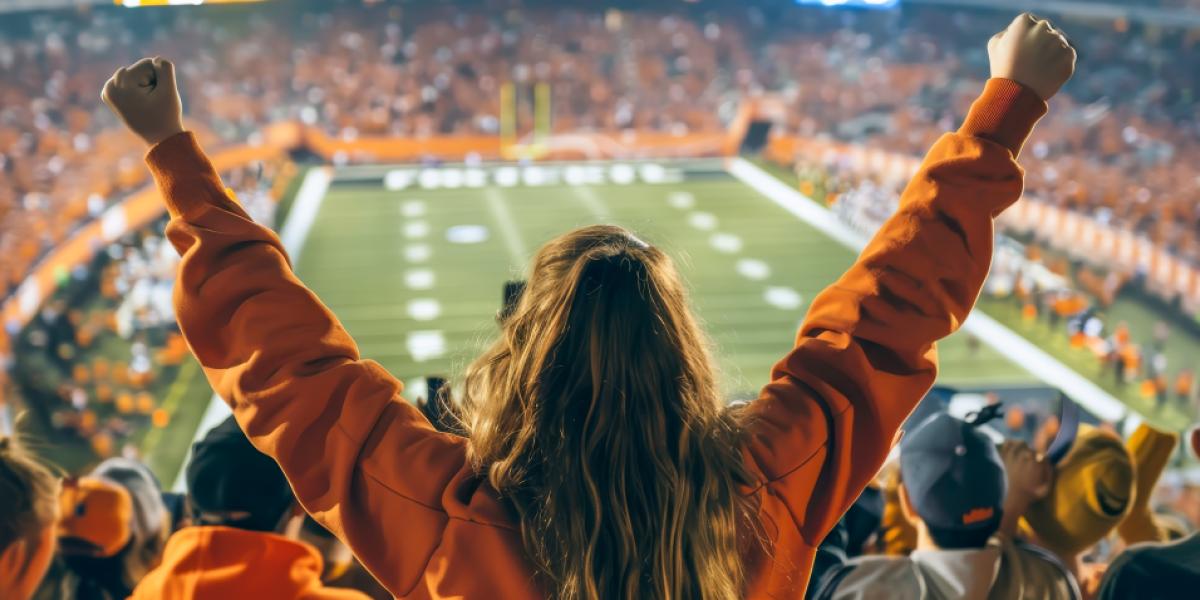
A federal judge blocks the NCAA from penalizing Texas Tech QB Brendan Sorsby for admitted gambling. The ruling signals that NIL income now trumps conduct rules. Next decision point: the Fifth Circuit appeal.
Continue with
A federal judge in Texas on Monday granted an injunction that blocks the NCAA from enforcing its gambling-related eligibility rules against Texas Tech quarterback Brendan Sorsby. Sorsby admitted to multiple violations: betting on his own team, using third parties to circumvent sportsbook limits, and failing to self-report. The NCAA's standard penalty is a permanent loss of eligibility.
The ruling does not resolve the case on its merits. It gives Sorsby temporary protection while the legal challenge runs its course. The NCAA will appeal. The appeals process could stretch past the end of the football season. Sorsby could then drop the lawsuit entirely, having secured his season and whatever compensation comes with it.
This is the latest example of a pattern. Courts have systematically stripped the NCAA's ability to enforce its own rules. The result is a regulatory vacuum where basic conduct standards – a player betting on his own games – cannot be policed.
How the NCAA Lost Its Enforcement Edge
The NCAA operated for decades as a private membership association. Schools agreed to a uniform set of rules. Violations triggered defined penalties. The system worked because all parties consented to the framework.
That framework collapsed when courts began treating NCAA eligibility rules as potential violations of antitrust law. The Name, Image, and Likeness (NIL) era accelerated the breakdown. Once players could document concrete financial value tied to their eligibility – scholarships plus NIL deals – any restriction on that eligibility became a legally actionable harm.
The Sorsby Case in Context
Sorsby's situation is unusually clear-cut. The NCAA bans athletes from betting on any sport the organization governs. Betting on your own team and using intermediaries to avoid detection are specific, unambiguous violations. The NCAA had clear evidence, including Sorsby's own admissions.
Yet the judge granted the injunction. The reasoning: Sorsby's NIL deal creates a financial interest that the NCAA's penalty would destroy. The court is treating the eligibility restriction as a restraint on Sorsby's earning capacity, not as an enforcement mechanism for an agreed-upon conduct code.
The Texas Tech quarterback signed the same NCAA student-athlete conduct agreement every D-1 player signs. That agreement explicitly prohibits gambling. The court effectively ruled that the contractual consent does not matter when the financial stakes are high enough.
The Ole Miss Precedent: Fifth-Year Quarterbacks as Sixth-Year Seniors
This is not the first time a court has overridden NCAA eligibility restrictions based on NIL earnings. Ole Miss quarterback Trinidad Chambliss documented an NIL deal worth an estimated $5 million to $6 million when arguing against NCAA limits on his eligibility.
A Mississippi judge granted Chambliss a sixth year of eligibility. He played the 2024 season at age 24 – older than many NFL rookies. The court's logic was identical: preventing Chambliss from playing would destroy a multimillion-dollar earning window, and the NCAA lacked authority to close that window.
The Practical Effect on Roster Composition
Each ruling shifts the competitive balance. Teams that can navigate the legal landscape retain experienced players longer. Teams that rely on traditional four-year eligibility cycles lose talent to programs that exploit the injunction pipeline.
Older players change the game. A 24-year-old quarterback has four more years of physical development, film study, and in-game experience than an 18-year-old freshman. The gap is larger than the difference between a rookie and a five-year NFL veteran. College football is becoming a league where age and legal maneuvering matter as much as recruiting rankings.
Why Professional Sports Avoid This Chaos
Professional leagues – the NFL, NBA, MLB – have private arbitration systems built into their collective bargaining agreements. A player who bets on games faces a league-imposed suspension. The process takes weeks, not years. The ruling is final unless it violates the CBA's explicit terms.
Courts generally defer to these private systems. The legal doctrine is straightforward: parties to a voluntary agreement consented to the dispute resolution mechanism. Judges do not rewrite the terms of a freely negotiated CBA just because one party faces financial harm.
College athletics lacks this structure. Players are not employees. There is no CBA. There is no private arbitration system that courts recognize as binding. Every eligibility dispute ends up in federal court, where the judge has no institutional knowledge of sports governance and no incentive to maintain competitive integrity.