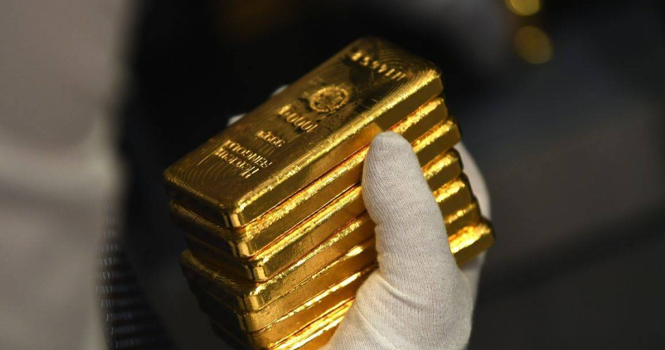
JPMorgan Chase lowered its forecast for the average price of gold in 2026, citing weak near-term demand and a significant decline in inventories. The revision shifts the bank’s medium-term outlook for the metal, which had been supported by central bank buying and geopolitical risk premiums through much of 2024 and early 2025. The new 2026 average sits below previous estimates, though the exact figure was not disclosed in the summary.
The move comes as gold trades near recent highs. JPMorgan’s analysts see the current demand environment as insufficient to sustain the rally into next year, especially if inventory drawdowns accelerate. The inventory decline likely reflects a combination of physical offtake from central banks and a slowdown in speculative holdings via ETFs, though the bank’s own data underpins the call.
Why Inventory Decline Matters for Gold’s Trajectory
The simple read is that a lower forecast from a major bank is bearish for gold. The better market read requires examining the mechanism. Weak near-term demand could stem from slower jewelry consumption in India and China, the two largest gold-buying nations, or from a rotation out of gold ETFs into risk assets. Inventory declines may indicate that physical supply is tightening, which would normally be supportive. JPMorgan’s framing suggests the drawdown is a symptom of fading investment appetite rather than a supply shock.
For traders, the key question is whether this is a cyclical or structural shift. If demand weakness is temporary–tied to a strong dollar or higher real rates–then the inventory drop could eventually support prices once buying resumes. If it is structural, the 2026 forecast may prove optimistic. The bank’s revision tilts toward the latter view. The market will need confirmation from upcoming inventory reportsinventory reports** and demand indicators from the World Gold Council.
JPMorgan’s Own Stock and the Broader Context
JPMorgan Chase itself carries an Alpha Score of 48/100 (Mixed) on AlphaScala, with the stock at $297.81, down 0.70% on the session. The bank’s commodities desk is a major player in gold derivatives, so its forecast carries weight beyond a single analyst note. A lower 2026 gold price outlook could also affect JPMorgan’s earnings from its commodities trading division, though the direct impact is small relative to its overall revenue.
The revision aligns with a broader trend of banks tempering gold expectations after a strong run. It stands in contrast to some bullish calls from other institutions that see gold reaching $3,000 in 2025. The divergence creates a trading opportunity. If JPMorgan is wrong and demand picks up, gold could rally on the surprise. If it is right, the metal may struggle to hold current levels.
The Next Catalyst for Gold Traders
The immediate catalyst to watch is the next inventory data release from major exchanges like the LBMA or COMEX. A continued drawdown without a price increase would validate JPMorgan’s thesis. A stabilization in inventories alongside renewed ETF inflows would weaken the bearish case. Traders should also monitor central bank buying announcements, particularly from China and Poland, which have been aggressive purchasers.
For now, the JPMorgan revision adds a layer of caution to gold positioning. The gold market remains driven by macro forces–Federal Reserve policy, dollar strength, and geopolitical tensions–but the bank’s focus on demand and inventory fundamentals shifts the narrative. The next few months will test whether the 2026 forecast is a prudent adjustment or an early call on a structural turn.
For more on gold’s macro drivers, see the gold profile and commodities analysis. JPMorgan’s stock page is here.