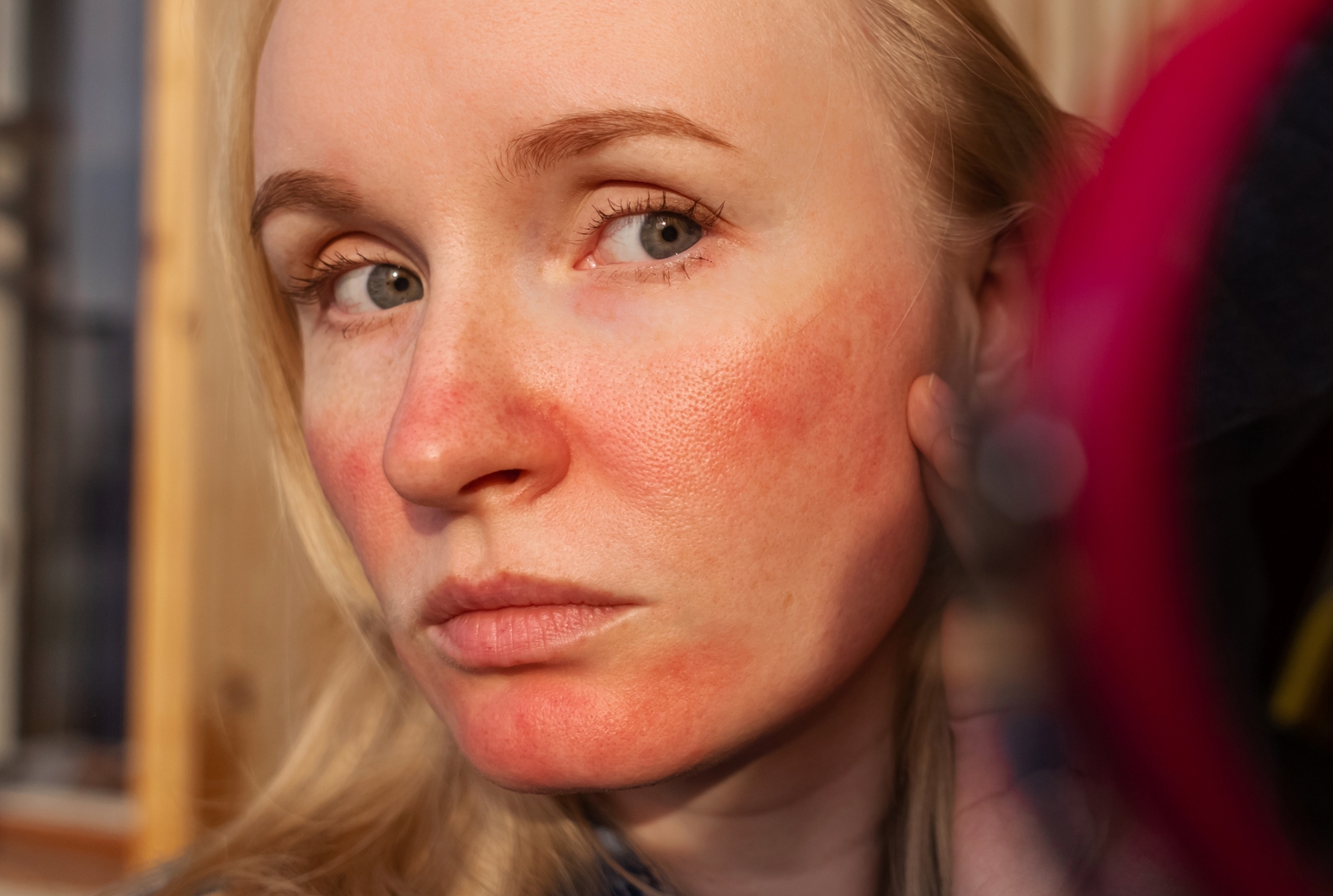
Journey Medical reported second-quarter revenue of $14.2 million, up from $11.8 million a year earlier, as its rosacea treatment Emrosi gained ground with dermatologists and payers.
Emrosi, a once-daily minocycline foam, contributed $5.1 million in net sales, a sequential increase from $3.8 million in the first quarter. The product has been on the market for just over a year. Gross margin improved to 67% from 62% in the same period last year, helped by higher volume and lower per-unit costs.
Operating expenses fell to $12.1 million from $13.5 million in the prior quarter. The net loss narrowed to $0.8 million from $4.2 million a year ago. Management said the company remains on track to reach profitability by the end of 2025.
Claude Maraoui, Journey Medical's CEO, said on the earnings call that the quarterly results confirm Emrosi is gaining traction. "Our focus is on expanding payer coverage and driving repeat prescriptions, which is the standard pattern for a successful dermatology launch," he said.
Prescription data from IQVIA shows weekly new-to-brand scripts averaged about 320 in June, up from 280 in March. The company has secured formulary access covering roughly 60 million lives through commercial and Medicare Part D plans, including a recent win with a top-three pharmacy benefit manager.
Cash and equivalents stood at $23.1 million at quarter-end, down from $28.5 million at the start of the year. Management said the current runway extends into early 2026 without additional Emrosi revenue growth, though the company expects to be cash-flow-positive before then.
The rosacea market is small and dominated by generic options. Emrosi's branded premium depends on payer coverage and patient preference for once-daily dosing over twice-daily alternatives. The company's own guidance assumes modest growth, not a blockbuster ramp.
On the evidence of the quarter, revenue is growing, costs are falling, and the net loss is shrinking. The 13% year-to-date decline in the stock looks like market impatience, not a broken thesis.
The next scheduled update: third-quarter prescription data, due in October.