Stocks● Neutral
JNPA Tops Revenue Among India's Major Ports Despite Lower Cargo
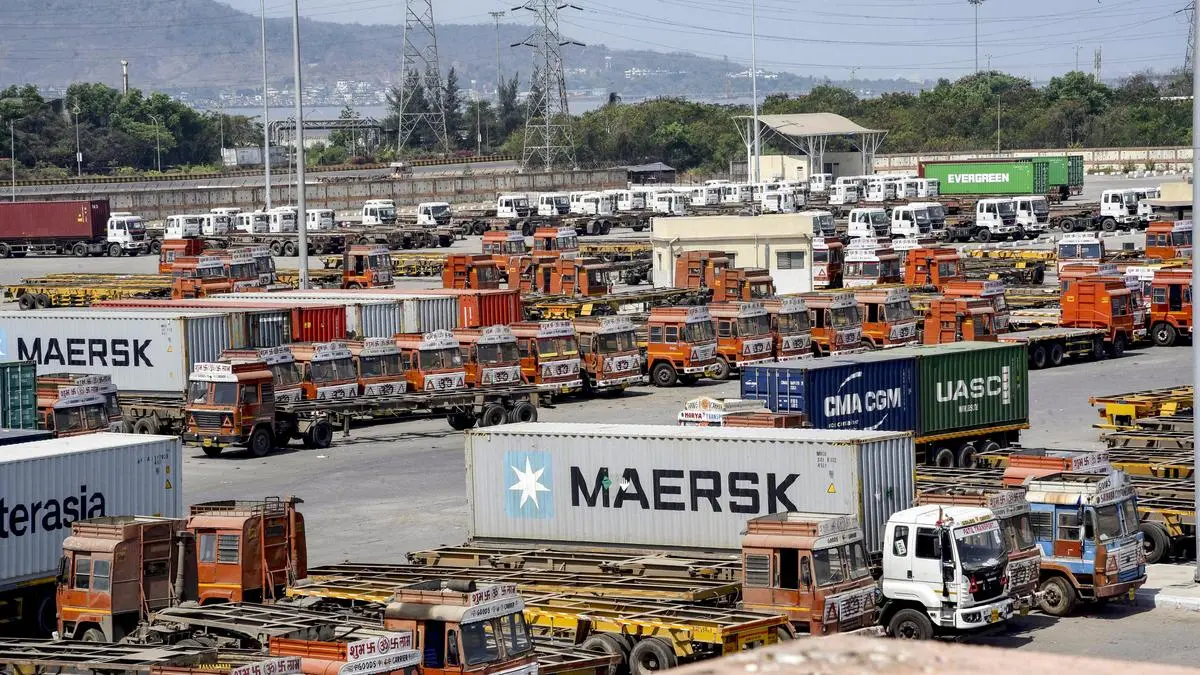
JNPA earned ₹4,356 crore in FY26, the highest among India's 12 major ports, even though Kandla and Paradip handled more cargo. Container traffic generates higher revenue per tonne.
Continue with
Jawaharlal Nehru Port Authority (JNPA) in Navi Mumbai generated ₹4,356 crore in revenue in FY26, the highest among India's 12 major ports, according to government data tabled in Parliament during the monsoon session. The port at Nhava Sheva handled 102 million tonnes of cargo, less than Deendayal Port Authority (Kandla) at 160.11 million tonnes and Paradip Port Authority, which also moved more volume. The gap in revenue despite lower cargo volume comes down to cargo mix and terminal efficiency, shipping industry executives said.
Deendayal Port earned ₹3,437 crore, ranking second. Mumbai Port Authority followed with ₹3,319 crore. Together, the three ports contributed nearly 42% of the ₹26,583 crore total revenue across all major ports. JNPA's revenue alone accounted for 16.4% of the total.
The cargo mix explains the difference. JNPA handled more than 8 million twenty-foot equivalent units (TEUs) of container traffic, more than double the container volumes of any other major port. Container cargo generates higher revenue per tonne than bulk cargo such as coal, iron ore, and crude oil, which dominate the traffic at Kandla and Paradip. A ship carrying containers pays more for berthing, crane usage, and storage, the executives said. The revenue per tonne at JNPA works out to roughly ₹43, compared with about ₹21 at Kandla based on the data.
Gaurav Dayal, chairperson of JNPA, told The Hindu Businessline that the record financial performance reflected operational excellence, capacity expansion, and prudent financial management. He said the growth was driven by higher cargo throughput and vessel traffic, along with expanded terminal capacity and technology-led improvements. Dayal said JNPA plans to continue investing in infrastructure, digital transformation, and sustainable growth initiatives.