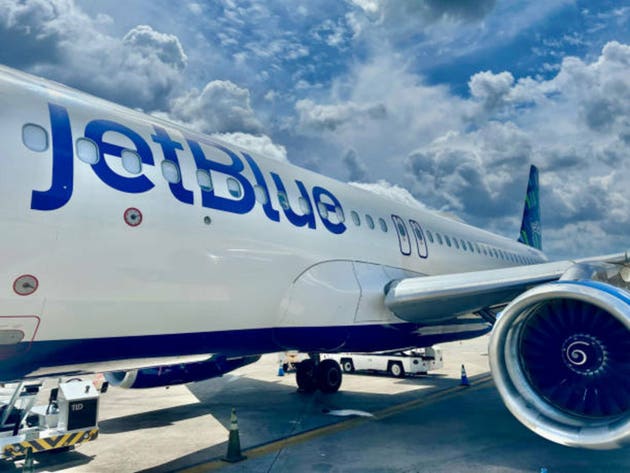
JetBlue is aggressively expanding its footprint at Fort Lauderdale-Hollywood International Airport, launching a series of new nonstop routes to destinations across the United States, Latin America, and the Caribbean. This strategic pivot follows the collapse of the proposed merger between JetBlue and Spirit Airlines, leaving a significant capacity gap in the South Florida market. By layering in new service and offering a direct loyalty status match program for former Spirit customers, JetBlue is attempting to capture the high-frequency leisure traveler base that previously anchored Spirit's regional dominance.
Capturing the Spirit Capacity Vacuum
The decision to bolster Fort Lauderdale operations serves as a defensive and offensive maneuver. Spirit Airlines historically utilized the airport as a primary hub, creating a dense network of low-cost, short-haul flights. With that carrier facing ongoing financial and operational restructuring, JetBlue is positioning its own fleet to absorb the displaced passenger volume. The addition of international routes to the Caribbean and Latin America suggests that JetBlue intends to leverage its higher service tier to differentiate itself from the ultra-low-cost model that defined the previous competitive landscape at this hub.
Integrating these routes requires a delicate balance of fleet utilization and yield management. JetBlue must ensure that the incremental capacity does not cannibalize its existing margins on legacy routes. The loyalty status match program acts as a bridge, reducing the switching costs for frequent flyers who are now forced to reconsider their carrier of choice. This is a classic market-share grab, where the incumbent seeks to convert the competitor's most valuable users before they migrate to other major carriers like American or Southwest.
Operational Execution and Competitive Risks
Expanding into a vacuum created by a distressed competitor is rarely a risk-free endeavor. JetBlue faces the challenge of maintaining its operational reliability while scaling up its presence in a high-traffic, weather-sensitive corridor. The success of this expansion hinges on whether the airline can maintain its premium-lite value proposition without incurring the excessive cost structures that plagued its previous growth phases. If the load factors on these new routes fail to meet internal thresholds, the company may find itself over-leveraged in a region where price sensitivity remains the primary driver of demand.
For traders and analysts, the focus shifts to the upcoming quarterly unit revenue metrics. If the Fort Lauderdale expansion successfully captures the target demographic, it should manifest as a stabilization in domestic yields. Conversely, if the aggressive route additions lead to a dilution of pricing power, it could signal that the competitive environment in South Florida remains fragmented and difficult to monetize. This move is a critical test of the company's ability to pivot its network strategy in the wake of the failed merger. Investors should monitor the next set of traffic reports to see if the loyalty match program is effectively converting high-value Spirit customers into long-term JetBlue revenue contributors. For broader context on how airlines are navigating current capacity shifts, see our latest market analysis.
While JetBlue continues to navigate these network adjustments, other firms in the technology sector are also seeing shifting sentiment. For instance, EPLUS INC (PLUS) currently holds an Alpha Score of 53/100, reflecting a mixed outlook within the broader technology space. You can track further developments on the PLUS stock page as the company balances its own operational targets against broader industry headwinds.