Stocks● Neutral
Jerry Burns, 72, Raises Service Dogs After 53-Year Business Career
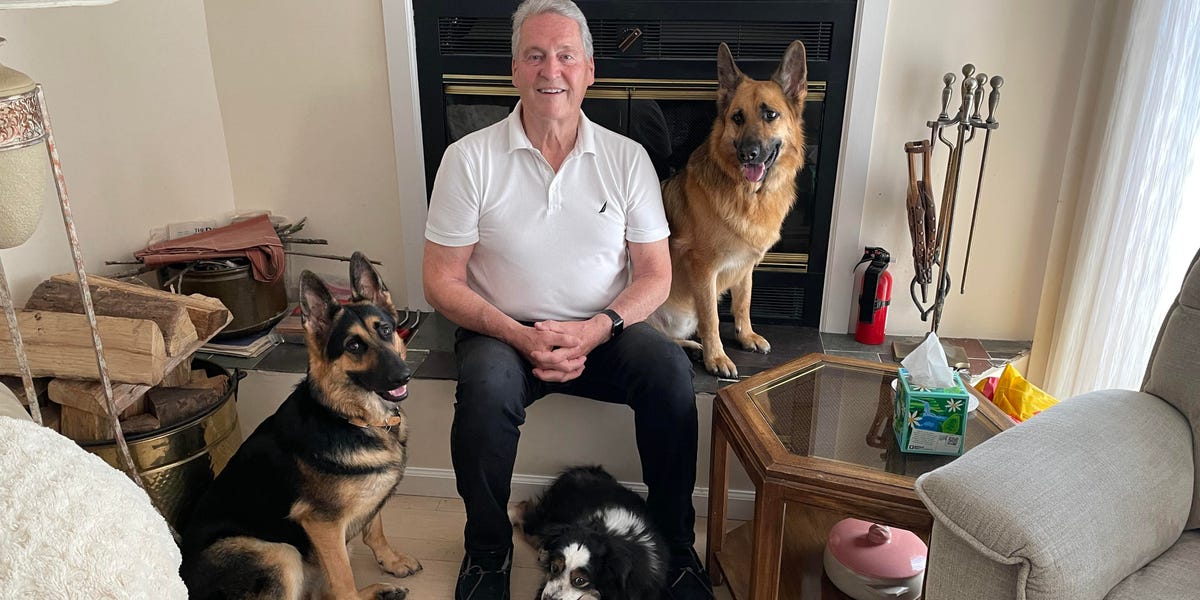
After selling his wholesale businesses, Jerry Burns volunteers with Guiding Eyes for the Blind, raising German Shepherd puppies for service dog training.
Continue with
Jerry Burns retired at 72 after running wholesale businesses for 53 years. He now raises service dogs for Guiding Eyes for the Blind.
Burns started with tobacco and candy wholesale. He sold his partnership stake after more than three decades. Then he focused on candy and snacks. The business later expanded into nostalgia items. The switch paid off: the work was more enjoyable, and the margins were bigger, he said.
By his late 60s, Burns scaled back to about four hours a day. He started thinking about volunteer work. He wanted a sense of purpose for the next phase of his life.
"I've always loved dogs," Burns said. He reached out to Guiding Eyes for the Blind, which has three puppy-raising facilities near his home. "I came for the dogs. I stayed because the organization was so well-run. As a businessman, I appreciated that."
He began volunteering regularly, helping feed and walk dogs at the breeding kennel. Often he would bring a dog home between visits.
Most dogs in the program are Labrador retrievers. About 10% are German Shepherds. The Shepherds are smart, Burns said. They often struggle in the kennel. They can become overwhelmed and act out by barking or jumping.
Burns had a German Shepherd in his 20s. He was drawn to the breed again once he started volunteering. When he brought one home, the dog would calm down and fulfill its potential. He even hand-fed one dog that was having a particularly difficult time with kennel life.
A little over a year ago, Burns sold his business and officially retired. He was fostering a Shepherd named Kohl, a stud in the breeding program. Kohl was supposed to be a long-term placement. Burns was thrilled. The dog was a perfect fit for his family.
Then Guiding Eyes decided to place Kohl in more formal training. Burns was a bit sad. He accepted it. "If that's the plan, that's what we have to do," he said. "Kohl was meant to go on to bigger and better things."