Stocks● Neutral
Japan Rice Prices Drop 5.4% as Takaichi Reimposes Farming Caps
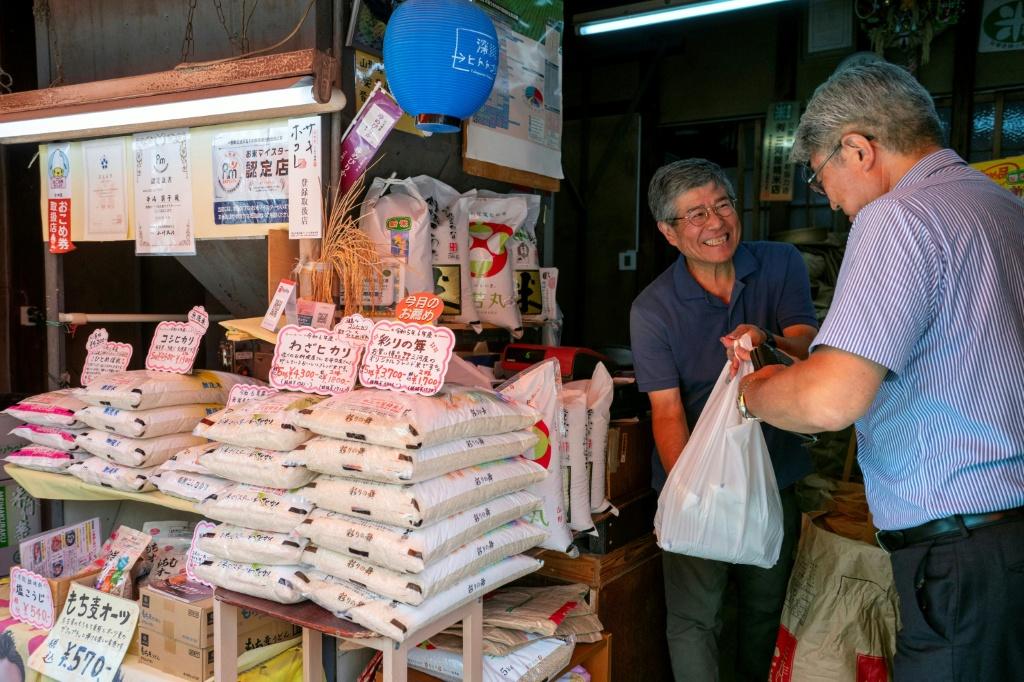
Japan rice prices fell 5.4% in May, first drop in 3.5 years, after PM Takaichi reimposed farming caps. The decline eases cost-of-living pressure, but policy reversals add uncertainty.
Continue with
Rice prices in Japan fell 5.4% in May from a year earlier, the first year-on-year decline in three and a half years, a government official said Friday. The drop marks a turning point after a two-year surge that strained household budgets and helped bring down a prime minister.
The decline was driven largely by government measures under Prime Minister Sanae Takaichi, who took office in September 2025. Her administration released emergency stockpiles of rice and reimposed limits on how much farmers could grow. That reversed the policy of her predecessor, Shigeru Ishiba, who had removed the growing cap in early 2025 to encourage more production. Takaichi, worried that oversupply could anger farmers, put the caps back in place weeks after her election.
The result, so far, is a 5.4% price drop for standard varieties excluding premium koshihikari. For consumers like Jun Hongo, a 48-year-old househusband in Tokyo, the change is tangible. "The other day I saw a 10-kilogram bag of rice in the 4,000-yen range for the first time in a long time, so I grabbed it immediately," he said. He added that prices remain "expensive compared with a few years ago." He called for a probe into the root causes of the surge.
The root causes were multiple. An intensely hot and dry summer in 2023 damaged harvests across the country. Some traders began hoarding rice, betting on higher future prices, analysts told local media. A government warning about a potential "megaquake" in 2024 triggered panic buying. Rising import costs shifted demand toward domestic rice, and record tourist numbers boosted consumption. On top of that, Japan's decades-old policy of cutting the area used for rice farming, combined with an aging population of farmers, constrained supply for years.