Crypto▲ Bullish
Japan Reclassifies BTC and ETH as Regulated Financial Products
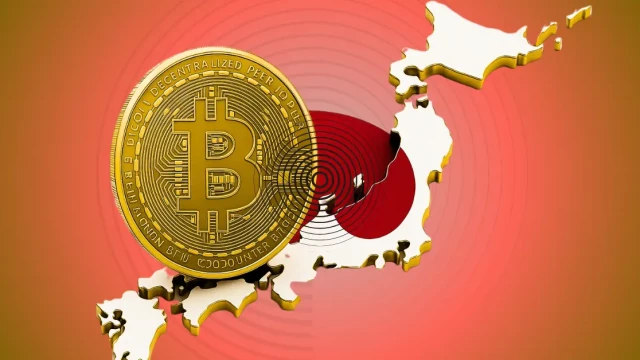
New securities-style laws ban insider trading to boost institutional trust in the world’s fifth-largest economy. Expect a surge in regulated crypto vehicles.
Continue with
A Paradigm Shift for Japanese Crypto Markets
Japan’s cabinet has officially approved a landmark bill that reclassifies cryptocurrencies as formal financial products, signaling a transformative shift in the nation’s regulatory approach to digital assets. By moving Bitcoin, Ethereum, and other major tokens from the category of mere payment instruments to regulated investment assets, Tokyo is effectively aligning its crypto oversight with the rigorous standards typically reserved for traditional securities.
This legislative pivot is designed to bring greater institutional clarity to the world’s fifth-largest economy, providing a structured environment that authorities hope will catalyze professional participation. For traders and institutional investors, the reclassification is not merely a semantic change; it represents a fundamental transition toward a more mature, predictable market environment.
Strengthening Market Integrity: The Insider Trading Ban
Central to the new bill are stringent measures aimed at curbing market manipulation. By classifying digital assets as financial products, the Japanese government is introducing explicit bans on insider trading—a common feature of securities laws that has historically been ambiguous in the decentralized and often opaque crypto sector.
These enhanced protections are a direct response to the need for investor safety and market integrity. By imposing securities-style regulations, Japanese regulators are aiming to curb the volatility and unfair advantages that have hindered widespread institutional adoption within the country. The move effectively creates a legal infrastructure where market participants can operate with greater confidence, knowing that the regulatory environment is actively policing against illicit practices that undermine fair price discovery.