Stocks● Neutral
Japan Airlines Scrub 100+ Flights as Twin Storms Near
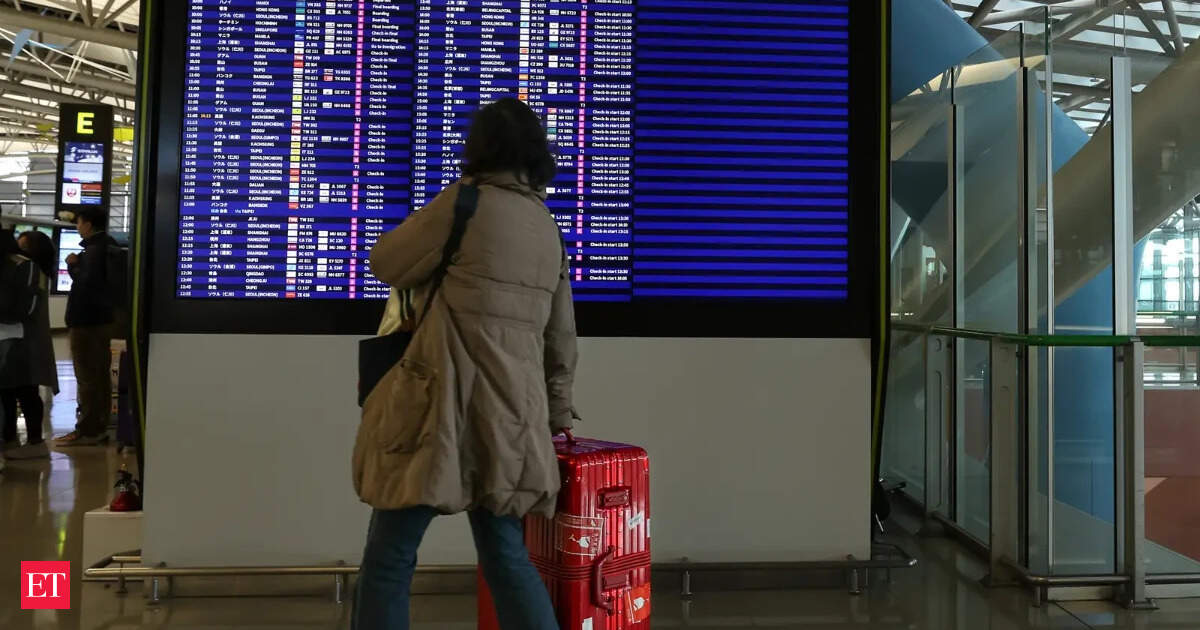
Two tropical storms forced Japanese airlines to cancel over 100 flights. The Kyoto region advised evacuations. The sector impact depends on how quickly operations resume.
Continue with
Japanese airlines cancelled more than 100 flights on Friday. Two tropical storms are tracking toward the archipelago, and authorities in the Kyoto region advised several thousand residents to evacuate, warning of potential landslides and flooding.
The cancellations hit both domestic and international routes. All Nippon Airways and Japan Airlines, the country's two largest carriers, operate the majority of scheduled service. The storms are expected to make landfall over the weekend. More flight disruptions are likely.
For the airline sector, each grounded flight reduces near-term revenue. Fuel expenses disappear. Crew and aircraft remain on standby. The net profit impact depends on how quickly normal operations resume. If storms pass quickly, the hit is limited to a few days. Infrastructure damage could extend cancellations past the weekend if storms stall over populated areas.