Stocks● Neutral
Italy Suspends Schengen With Spain After Ceuta Migrant Surge
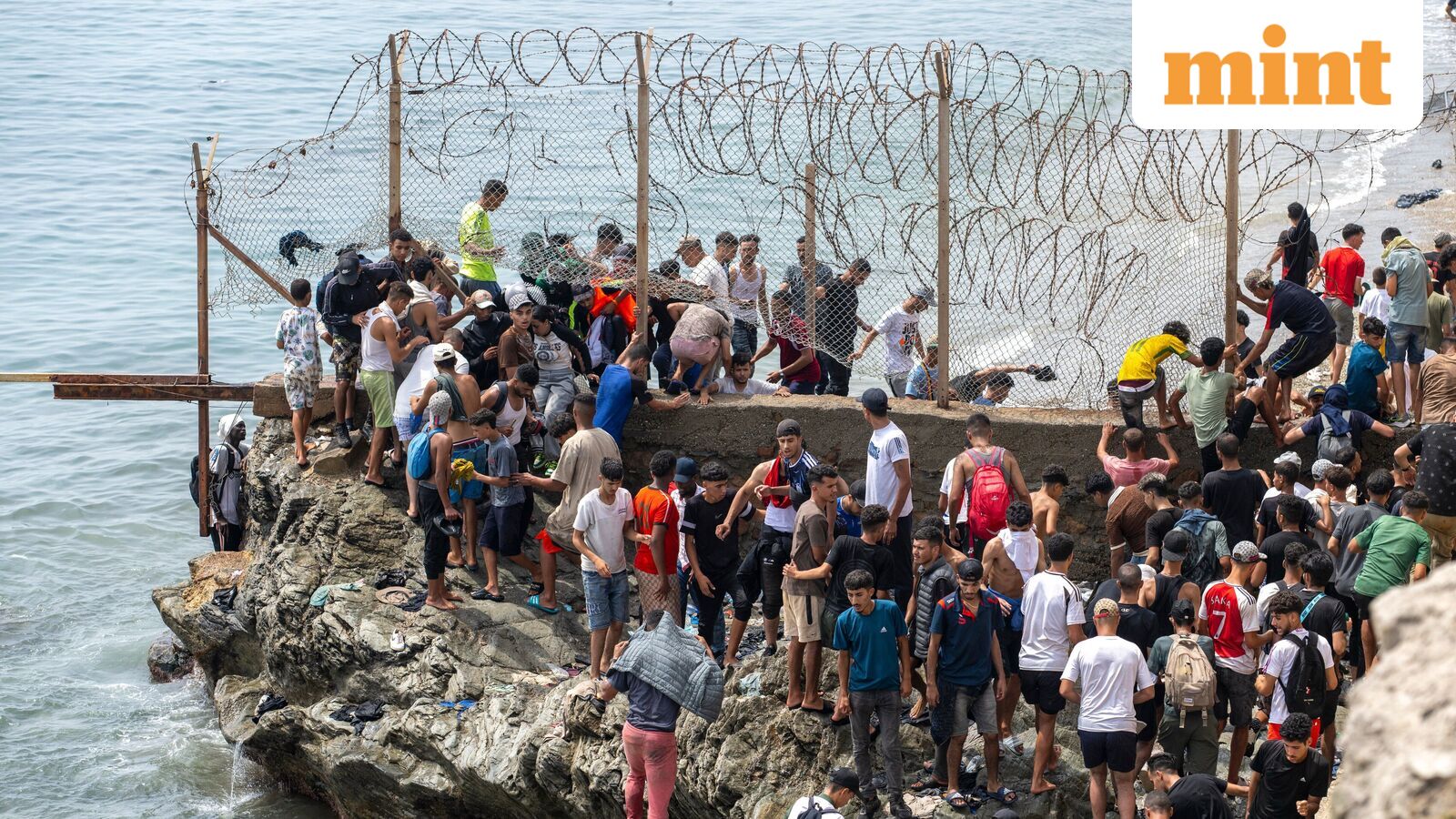
Italy temporarily suspended the Schengen agreement with Spain after a migrant surge at Ceuta. Foreign Minister Antonio Tajani said the move was necessary as thousands crossed into the enclave.
Continue with
Italy suspended the Schengen free-movement agreement with Spain on Friday, a decision Foreign Minister Antonio Tajani linked to a surge of migrants crossing into the Spanish enclave of Ceuta.
Tajani said the suspension was necessary because thousands of migrants were entering Spain, creating pressure that Italy judged required border checks between the two Schengen-zone countries. The agreement ordinarily allows passport-free travel across 27 European states.
Ceuta, a Spanish exclave on Morocco's northern coast, has been a flashpoint for migration into Europe. The border rush this week pushed the number of arrivals well above normal levels, according to Spanish authorities.
Fifty-seven migrants died in separate incidents related to the crossing attempts, Italian and Spanish officials said.
Italy's move is temporary under Schengen rules. Member states can reintroduce border controls for a limited period in cases of "serious threat to public policy or internal security." Tajani did not specify how long the suspension would last.
The decision is a rare bilateral suspension within the Schengen zone. Internal border checks were reintroduced during the COVID-19 pandemic and after the 2015 migration crisis, but usually on a broader multilateral basis.
Spain's Interior Ministry said it was in contact with Italian authorities over the situation. It did not announce reciprocal measures. The ministry said it was processing the arrivals at Ceuta under standard asylum procedures.
European Commission officials said they were monitoring the situation. They had not received a formal notification from Rome as of Friday evening.
The Ceuta border crossing has seen periodic surges. In May 2021 thousands swam or waded across from Morocco after tensions between Madrid and Rabat over Western Sahara. That incident prompted Spain to reinforce its border fence and deploy additional Guardia Civil units.