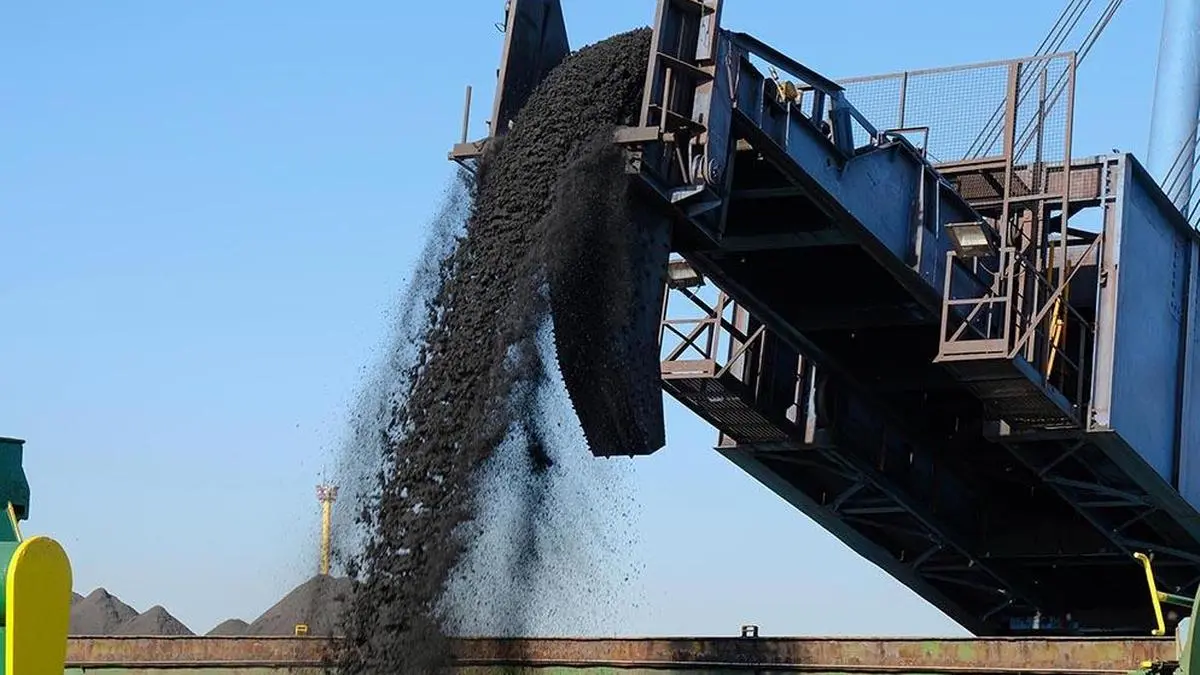
Iron ore prices entered a period of consolidation on Thursday as the market recalibrated the impact of rising geopolitical friction against a backdrop of expanding global supply. The persistent conflict involving Iran has introduced new layers of uncertainty regarding shipping insurance and fuel surcharges, yet these upward pressures on landed costs are currently being tempered by a steady increase in output from major mining regions.
Supply Dynamics and Production Scaling
The primary driver of current price stability is the consistent ramp-up in production from key export hubs in Australia and Brazil. Mining majors have successfully navigated logistical bottlenecks that hampered output earlier in the year, leading to higher inventory levels at major transit ports. This increase in available tonnage is providing a necessary buffer against the volatility typically associated with energy-linked shipping costs.
While the supply side remains robust, the market is closely monitoring the following factors that could shift the current equilibrium:
- The duration of current shipping route disruptions and their impact on freight rates.
- The rate of inventory accumulation at Chinese steel mills.
- Potential adjustments to production guidance from mid-tier miners facing higher operational expenses.
Geopolitical Risk and Transport Costs
The ongoing conflict in the Middle East continues to influence the cost structure of dry bulk shipping. Increased security premiums and the necessity of rerouting vessels have pushed bunker fuel expenses higher, creating a floor for delivered prices even as the underlying commodity remains well-supplied. This creates a divergence where the cost of moving iron ore is rising, while the spot price of the ore itself struggles to find upward momentum due to the volume of material hitting the market.
Investors are now assessing whether the current supply surplus is sufficient to absorb these elevated logistics costs without triggering a broader contraction in demand. If shipping costs continue to climb, the margin compression for steel producers may force a reduction in procurement, potentially leading to a build-up of iron ore stocks at major ports.
AlphaScala Market Context
Market participants tracking broader equity exposure to industrial and healthcare sectors may note that current sentiment remains cautious. For instance, IRON stock page currently holds an Alpha Score of 48/100, reflecting a mixed outlook that mirrors the broader uncertainty seen in industrial commodity markets. Similarly, ON stock page maintains an Alpha Score of 45/100, as technology and industrial sectors continue to navigate the ripple effects of high-cost environments.
As the market moves toward the next reporting cycle, the critical marker for traders will be the monthly export data from major mining jurisdictions. Any deviation from the current output trajectory, combined with sustained pressure on maritime insurance premiums, will likely force a breakout from the current consolidation range. Further analysis of these trends can be found in our commodities analysis section.