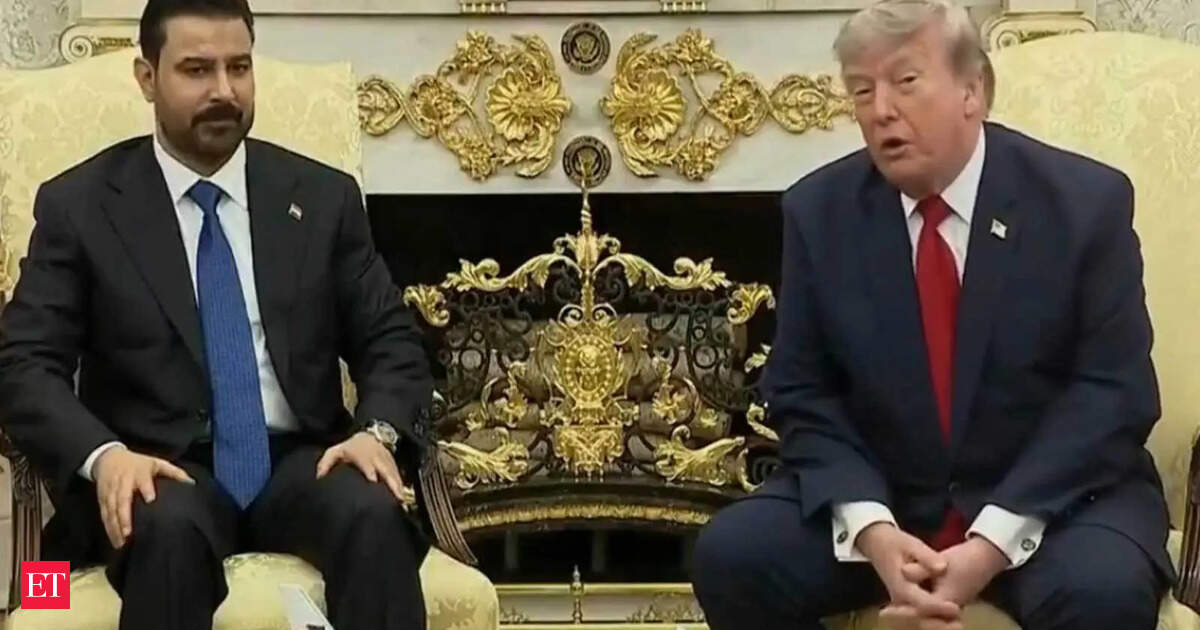
Iraq and the United States signed 48 agreements during Prime Minister Mohammed Shia al-Sudani's visit to Washington, the most extensive bilateral framework since the 2008 Status of Forces Agreement. The deals cover energy, trade, security, and technology.
A memorandum of understanding on energy cooperation could open Iraqi oil and gas fields to American contractors. U.S. companies have largely avoided Iraq's energy sector since the 2014 Islamic State insurgency disrupted operations. Chinese and Russian firms took the lead. The new framework does not guarantee American companies access to specific fields. It creates a legal basis for U.S. firms to bid on future development contracts.
The U.S. committed to continuing training and advisory support for Iraqi forces. The deals avoid formalizing a new troop presence. Iraq wants to reduce its reliance on American military support while maintaining counterterrorism cooperation against Islamic State remnants in northern and western Iraq.
Trade and investment agreements target infrastructure reconstruction, particularly in Mosul and other cities damaged during the 2014-2017 war. The U.S. Export-Import Bank signaled willingness to finance American companies bidding on Iraqi reconstruction projects. Chinese state-backed lenders have long dominated that area.
Technology agreements focus on digitizing Iraq's government payment systems and customs procedures. Iraq has one of the Middle East's least digitized economies. Most government payments are still handled in cash or through state-owned banks. U.S. firms providing software and systems integration could gain a foothold in a sector where Chinese tech companies have made inroads.
Sudani's government is under domestic pressure to show economic progress. Iraq holds the world's fifth-largest proven oil reserves. It suffers from chronic power shortages, crumbling infrastructure, and a public sector that accounts for roughly 60% of jobs. The deals with Washington offer Sudani a political win at home by demonstrating that Iraq can attract non-Iranian investment.
Iran remains Iraq's largest trading partner and holds significant political influence through allied Shia parties. Tehran has opposed closer Iraq-U.S. ties. Iraqi officials said the agreements do not require Iraq to take actions against Iran's interests.
The Iraqi parliament must ratify several of the agreements before they take effect. Sudani's coalition government includes factions with close ties to Iran. Ratification is not guaranteed.
Iraq's oil production averaged 4.3 million barrels per day in 2024, roughly in line with its OPEC quota. Any U.S. involvement in Iraq's energy sector could affect global supply dynamics if American firms bring new technology to boost recovery rates at aging fields. For now, the agreements are frameworks, not contracts.