Stocks● Neutral
Iraq PM Meets Trump Amid US-Iran War: Disarmament, Oil Deals at Stake
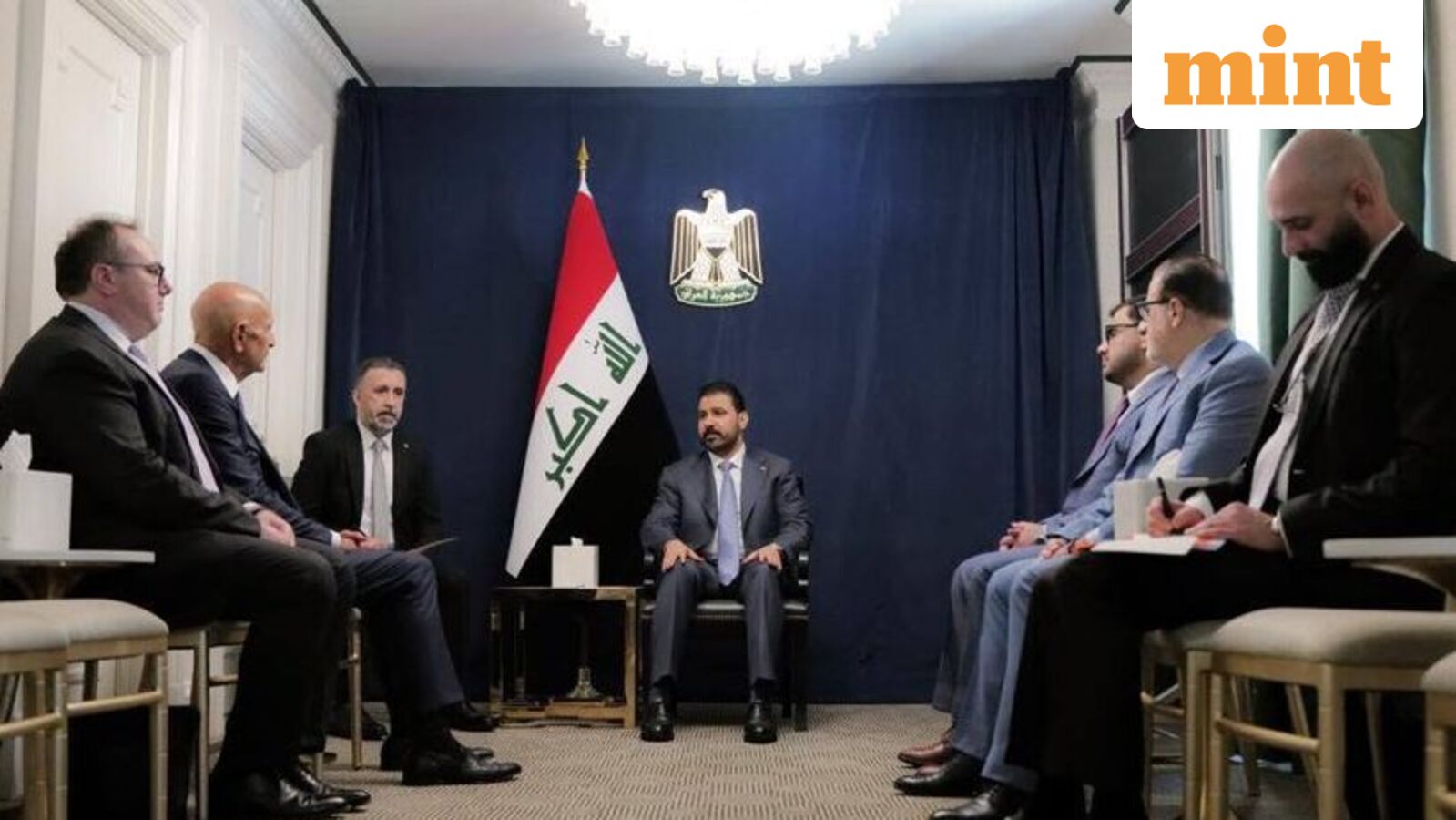
Iraqi PM al-Zaidi meets Trump in Washington today, seeking US investment and vowing to disarm pro-Iran militias by September. Oil exports and regional stability hang in the balance.
Continue with
Iraqi Prime Minister Ali al-Zaidi meets US President Donald Trump in Washington on 14 July, his first international trip since taking office in April. The visit comes as the US administration piles pressure on Baghdad to curb Iranian influence. The US-Iran conflict has escalated in recent weeks, AFP reported.
Al-Zaidi has already met US Special Presidential Envoy to Iraq Tom Barrack, discussing stronger bilateral ties and economic cooperation, according to an official statement.
The prime minister comes to Washington bearing a list of economic priorities. He hopes to attract US investment after significant revenue losses from halted oil exports caused by the Iran war and the closure of the Strait of Hormuz, Al Jazeera reported. Oil exports account for about 90% of Iraq's budget revenue, and most crude passes through the disputed strait.
Several memorandums of understanding in the oil and gas sector are expected to be signed, government spokesman Haider al-Aboudi said on 13 July. Al-Zaidi also plans to establish a fund that would deposit half a million barrels of oil per day in exchange for help boosting Iraq's electricity supply.
Security is the other big agenda item. Al-Zaidi's government has given pro-Iran armed groups, which Washington designates as terrorist organizations, until September 30 to disarm. That date coincides with the end of the US-led anti-jihadist coalition's mission, AFP said. In an op-ed in the Washington Post ahead of his visit, al-Zaidi wrote that he leads "a government committed to ensuring that the state possesses the legitimate monopoly on the use of force."
The balancing act is delicate. A senior Iraqi politician told AFP on condition of anonymity that even if the current government adopts a more US-friendly path, "it doesn't mean that Iraq is turning against Iran." Iraq "must maintain the long-standing balance" between its two powerful allies.