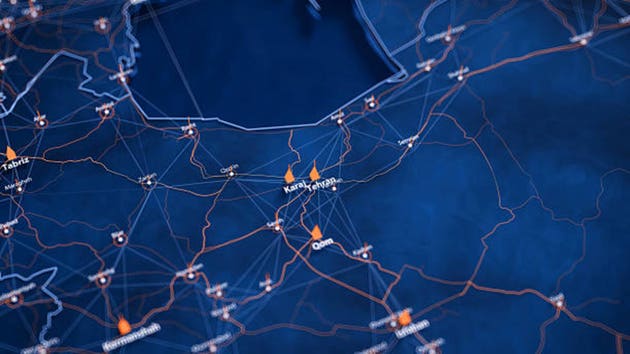
The Iranian government has announced a policy shift to restore internet access for university professors, marking a departure from the near-total digital blackout that has persisted for 51 days. While the general public remains subject to severe connectivity restrictions, this targeted restoration suggests a transition toward a tiered digital infrastructure. By prioritizing specific professional classes, the state aims to maintain academic and research continuity without lifting the broader limitations imposed on the general population.
The Mechanics of Tiered Digital Access
The decision to isolate academic access from the broader public blackout highlights a strategic effort to manage internal information flow. By granting professors specialized connectivity, the government is attempting to mitigate the economic and intellectual costs of a prolonged shutdown while retaining control over the national network. This approach creates a bifurcated system where digital utility is determined by professional status rather than universal access. The move raises questions regarding how such infrastructure will be monitored and whether these access points will be subject to heightened surveillance or content filtering compared to standard residential connections.
Sectoral Impact and Regional Connectivity
This development carries significant weight for regional technology and communication sectors. As the country navigates these restrictions, the reliance on localized, state-sanctioned digital tools is likely to increase. Companies operating within the region must account for the instability of cross-border data flows and the potential for sudden policy reversals that could disrupt digital operations. The shift toward a tiered model may also influence how international firms assess the risk profile of regional digital infrastructure, particularly as geopolitical fragility and the shift in asset allocation strategy continue to dominate investor sentiment.
AlphaScala data currently reflects a cautious environment for broader technology and consumer-facing equities. For instance, AS stock page holds an Alpha Score of 47/100, while NOW stock page sits at 53/100 and A stock page at 55/100. These scores underscore the volatility inherent in sectors sensitive to global regulatory and infrastructure shifts.
The Path to Normalization
The next critical marker for this situation will be the technical implementation of these access tiers. Observers should monitor whether the government expands this privilege to other professional groups, such as medical personnel or engineers, as this would signal a broader, albeit controlled, restoration of connectivity. Conversely, any evidence of technical failures or security breaches within these new academic access points could lead to a rapid reversal of the policy. The sustainability of this tiered model remains unproven, and the potential for further tightening of the digital environment remains a primary concern for those tracking regional stock market analysis. The ultimate test will be whether the state can successfully isolate these academic nodes from the rest of the network without triggering further domestic instability or economic friction.