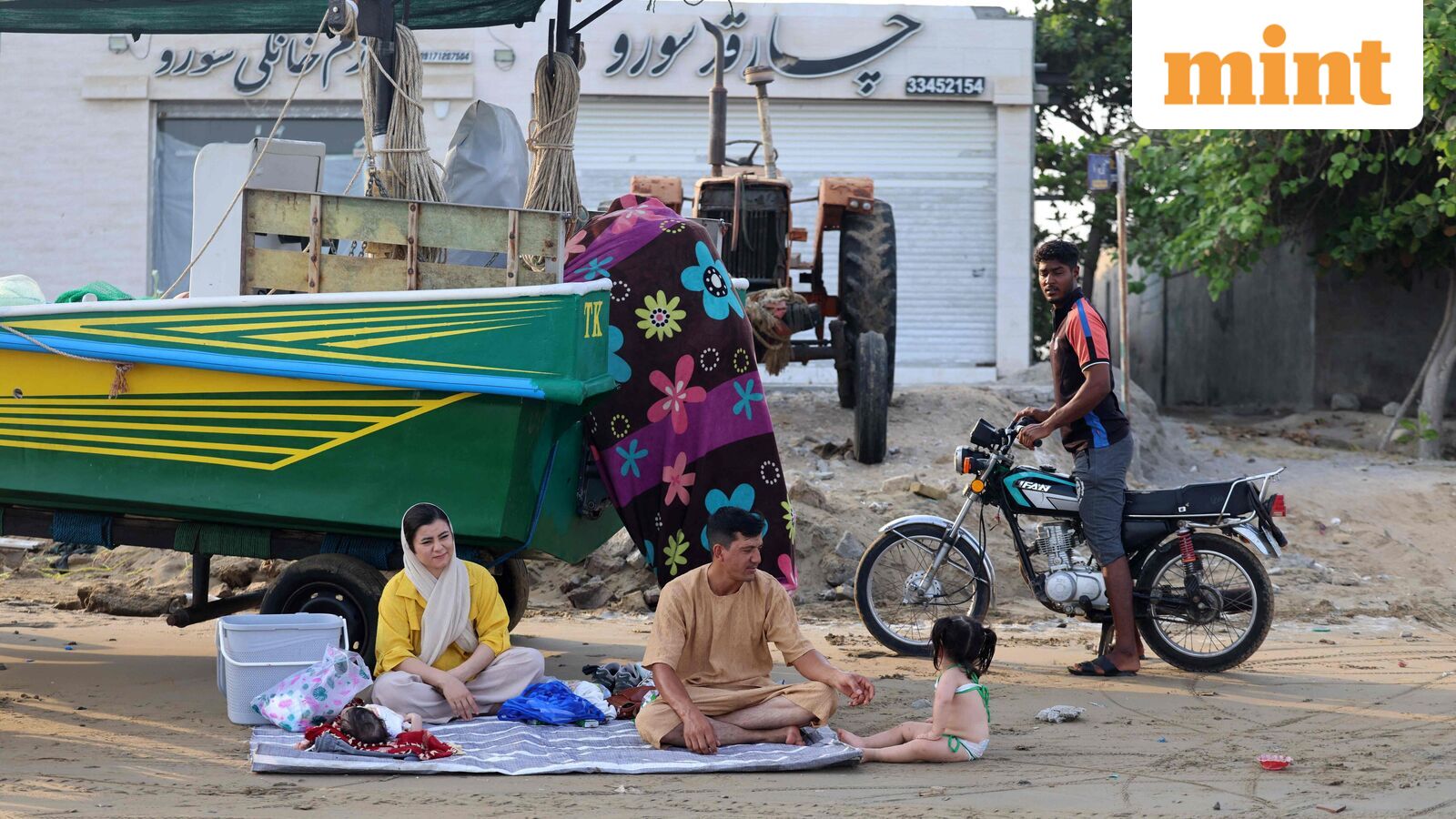
Iran's 134% food inflation in July pushed dairy consumption to 40kg per capita from 130kg in 2010. Beef and lamb prices rose 149%. Coffee costs doubled. A post-war economic reckoning awaits.
Iranian households are cutting meat, dairy, and coffee from their diets as food inflation hit 134% nationwide in July, the sixth consecutive month of triple-digit food-price growth, the Statistical Center of Iran reported.
Annual inflation on the point-to-point measure – the change in prices in July against the same month a year earlier – eased to 87.9% from 88.6% in June, the first slowdown in three months. The 12-month rate hit 66% for the year ending in July, up from 62% in June and the highest in decades, the SCI said.
The Central Bank of Iran recorded twelve-month inflation at 61.4%, below the SCI figure, according to NIAC Insights. The direction is the same in both series.
Food prices drove the headline numbers. Dairy products cost 147% more than a year earlier, the SCI said. Beef, lamb and chicken prices all ran about 149% higher in July.
Annual dairy consumption fell from roughly 130 kilograms per person in 2010 to just 40 kilograms today, Ali Ehsan Zafari, head of Iran's Dairy Cooperatives Union, told Iran International on Aug. 9.
Red meat supply dropped to approximately 623,000 metric tons last year, around 20% below 2024 and nearly 39% below the 2010 level, according to UN Food and Agriculture Organization data.
Households that could not afford beef and lamb had long substituted chicken. Per capita poultry consumption rose roughly 40% since 2010. That fallback is now threatened by the sharp rise in poultry prices, the data show.
Coffee consumption is also becoming an unaffordable luxury. Although global coffee prices declined, the cost of coffee beans in Iran – largely imported through the United Arab Emirates before the war – has nearly doubled compared to pre-war levels. An Americano at cafes reviewed by Iran International started at about 1.1 million rials ($0.59) and reached roughly 3.8 million rials ($2.04). Two drinks and a slice of cake for two people now cost about 12 million rials ($6.45), one cafe customer said.
Beyond food, household appliances cost 114% more than a year ago, and transportation costs climbed 103%, the SCI reported. Oils and fats rose about 278% in June.
The war with the United States has compounded existing inflationary pressures. Employment fell approximately 450,000 year-on-year to 24.67 million, unemployment rose to 2.5 million, and 1.3 million full-time jobs vanished, NIAC Insights reported. Industry lost roughly 629,000 jobs.
Gholamhossein Mohammadi, a deputy labour minister, said in April 2026 that the war had, by preliminary estimate, directly destroyed more than one million jobs and left roughly two million people unemployed once indirect effects were counted.
The 87.9% point-to-point inflation rate meant the average household paid roughly 88% more for the same basket of goods and services it bought a year ago. In rural areas, food inflation hit 140%.
Economists warned that a possible gasoline price increase could push food inflation even higher by raising distribution and delivery costs, Iran International reported. The figures reflect declining purchasing power and weaker job security, they said.
Miad Maleki, a former US Treasury official and sanctions strategist, told Eye for Iran that the greater danger to the regime may emerge once the fighting stops and it must govern a country burdened by soaring inflation, reconstruction costs and years of economic decline.
"The salary might keep coming," he said. "You just won't be able to afford very basic needs."
Prepared with AlphaScala editorial tooling from the source reporting linked above. Indexable analysis may include a cited Alpha Score value. Publishing checks screen each story before release. Educational coverage, not personalized advice.