Commodities● Neutral
Iran War: Global Energy Subsidies Risk Prolonging Tightness
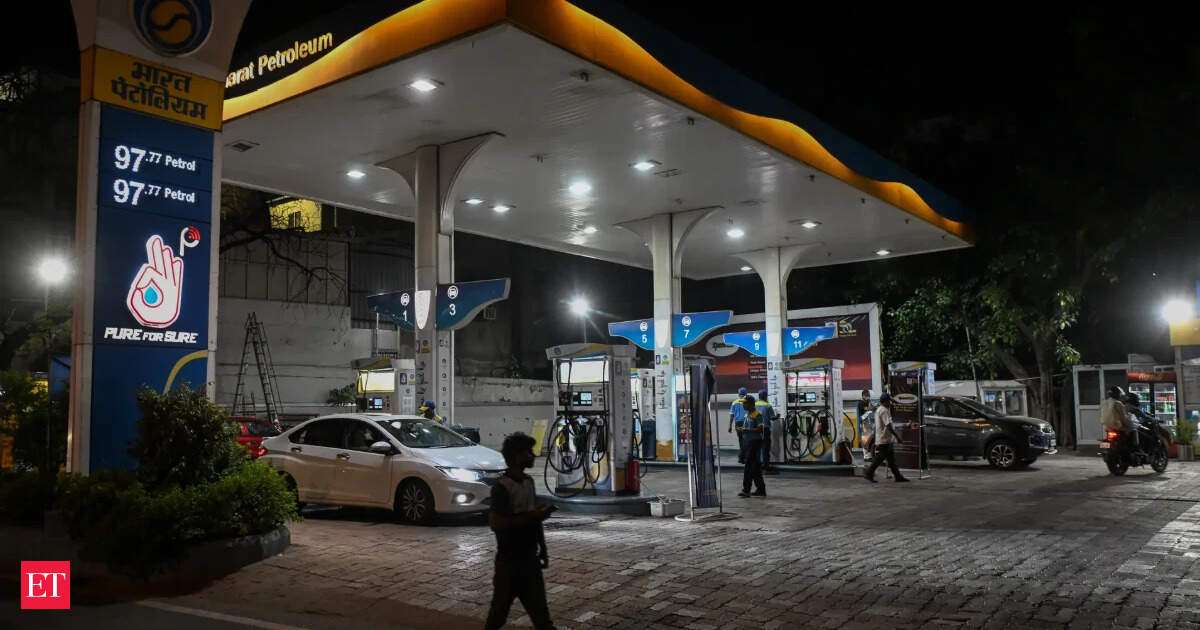
Over 30 nations roll out fuel subsidies, price caps, and export bans. The coordinated response masks demand signals, delays market rebalancing, and risks extending the energy crisis.
Continue with
The US-Israeli war on Iran has triggered the most coordinated global policy response to energy costs in decades. Over 30 governments, from Argentina to Vietnam, have announced subsidies, tax cuts, price caps, export bans, and emergency fuel production mandates to shield households and businesses from surging oil, gas, and power prices. The naive read: governments are protecting their economies. The better market read: these interventions mask price signals, keep demand artificially elevated, and risk prolonging exactly the tightness they aim to solve.
The Scale of Intervention: 30+ Nations Act
Asia Leads on Supply Controls
India invoked emergency powers to direct refiners to maximise LPG production and barred piped-gas consumers from refilling cylinders. Indonesia limited fuel sales, implemented work-from-home for civil servants, and will launch a B50 biodiesel programme on July 1 (50% palm oil blend). Japan relaxed coal-plant rules, opened oil stockpiles, and rolled out gasoline subsidies. South Korea eased coal-generation limits and raised nuclear utilisation to 80%, while banning naphtha exports. Thailand tightened crude palm oil export controls and froze bottled palm oil prices.
Europe and Americas: Tax Cuts and Spending Packages
Argentina postponed fuel tax increases until June. Brazil subsidised diesel and LPG and cut taxes on jet fuel and biodiesel. Greece offered €300 million in fuel and fertiliser subsidies plus €500 million in household aid. Italy extended excise cuts skewed toward diesel. Poland's finance minister said price-control measures could extend past May 15. Romania cut diesel excise by 0.30 lei per litre. Serbia cut crude oil excise by 60% and extended an export ban. Spain proposed €5 billion in measures. The UK plans fixed contracts to decouple electricity from gas prices. The Netherlands announced temporary tax breaks with a promise of further steps if the crisis deepens.
Africa and Middle East: Emergency Financing
Bangladesh is seeking billions in external financing for fuel and LNG imports. Egypt signed a $1.5 billion loan for food and energy security, slowed state projects that consume diesel, and cut government vehicle fuel allocations by 30%. Ethiopia increased fuel subsidies. Nigeria's Dangote refinery boosted exports of gasoline and urea to African neighbours hit by war-related disruptions. Namibia reduced fuel levies by 50% for three months.
Why Price Caps Delay the Rebalance
The problem is not the policy intention; it is the second-order effect. Subsidies and price caps prevent demand from falling in line with reduced supply. When a government tells refiners to maximise LPG production or caps retail diesel prices, it effectively transfers the shortage upstream. Refiners must bid more for crude. Stockpiling incentives rise. The same volume of fuel supports more consumption than the market would otherwise allow.
In commodity markets, the price discovery function is the mechanism that rations scarce supply. By suppressing that mechanism, governments push the burden onto the supply chain. Hidden demand accumulates. When subsidies eventually fade or budgets run dry, the catch-up spike in realized demand can be sharper than if the market had been allowed to clear at higher prices today.
Affected Assets: Beyond Crude
The intervention wave cuts across multiple commodity buckets, not just WTI and Brent crude. Traders tracking the full landscape should monitor:
- Crude oil (WTI CL, Brent BZ) – Directly affected by export bans (Serbia, India's windfall tax) and strategic release programs (Japan, Australia).
- Diesel and gasoil – Targeted by multiple excise cuts (Italy, Romania, Poland) and subsidy programs (Brazil, Greece). The Dangote refinery's export pivot adds supply chain complexity.
- Natural gas (Henry Hub NG, JKM) – Europe's summer refill coordination and Japan's coal-switching create competing demand vectors.
- Coal – Japan and South Korea are increasing coal-fired utilisation, adding price support for thermal coal markets.
- Palm oil and biodiesel – Indonesia's B50 mandate and Thailand's export controls directly affect CPO futures. Blends with conventional diesel shift demand for vegetable oils.
- Fertilisers – Urea – China's export restrictions and Nigeria's increased urea exports to Africa create regional price divergence.
- Naphtha – South Korea's export ban and Japan's search for alternative chemical feedstock tighten a niche but important intermediate market.