Stocks● Neutral
Iran War Aftermath Reshapes Defense and Oil Risk Premiums
Bremmer and Maksad argue the Iran war permanently altered Middle East risk. Defense budgets won't snap back, oil supply faces new uncertainty, and equity risk premiums are structurally higher through the next election cycle.
Continue with
The military phase of the Trump administration's engagement with Iran is over. The geopolitical fallout is not. In a June 20 Foreign Affairs piece, Ian Bremmer and Firas Maksad argue the conflict has permanently altered the Middle East's risk profile. For equity investors, that means the war is a live catalyst, not a closed chapter.
Defense stocks have already repriced higher. The conflict forced a sustained increase in Pentagon spending. Bremmer and Maksad's analysis suggests those budgets will not snap back to pre-war levels. Even with active combat concluded, the need for a larger military footprint in the region extends procurement cycles. The open question is whether the market has fully priced multiyear elevated spending or whether additional contract awards are still ahead.
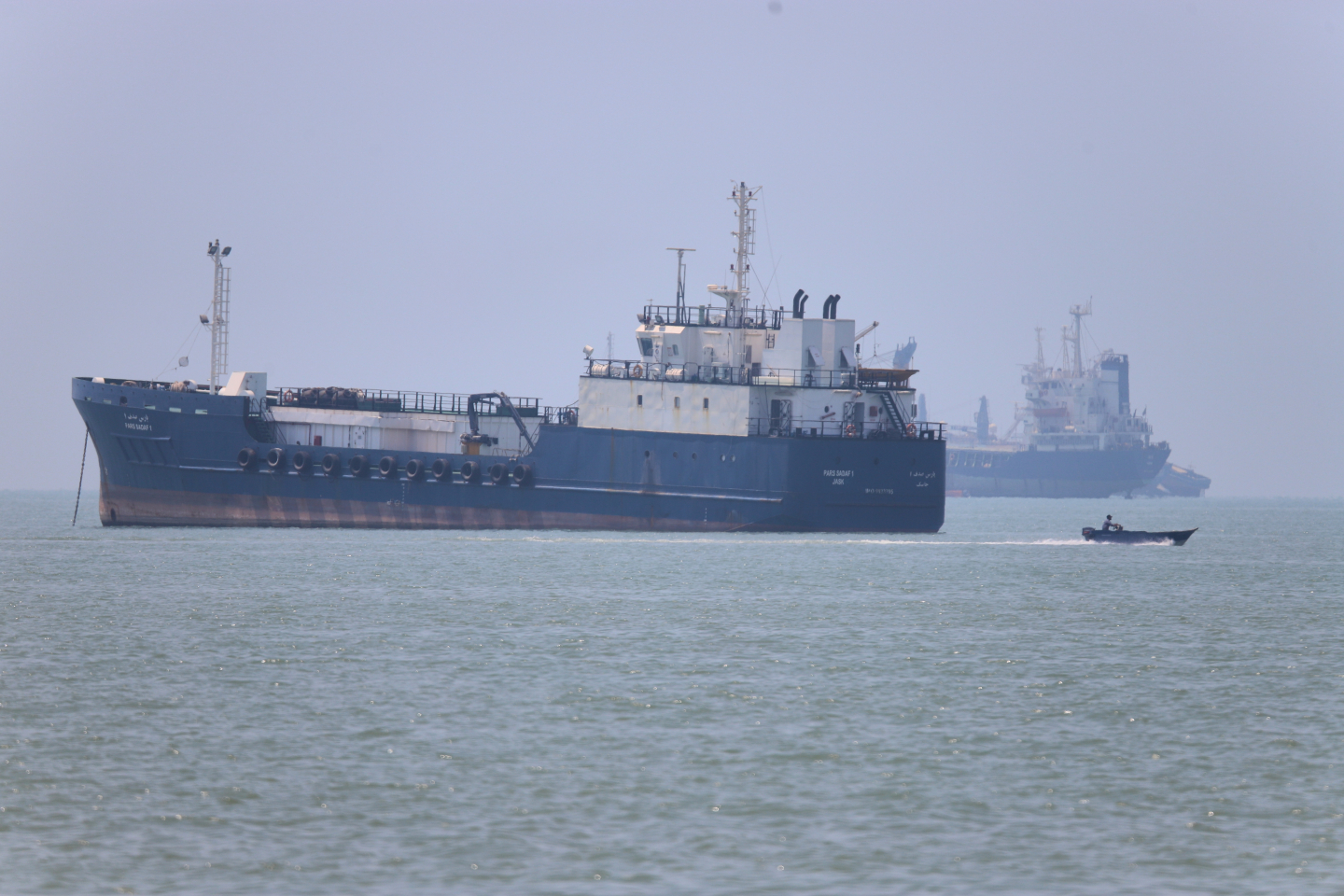
Oil equities face a different kind of uncertainty. The war disrupted tanker traffic through the Strait of Hormuz and damaged parts of Iran's production infrastructure. A quick recovery in Iranian output now looks unlikely given the political environment. That tightens global supply even if the broader market remains well supplied. Energy stocks are likely to carry a larger geopolitical risk premium from here, meaning higher volatility than the sector saw before the conflict.