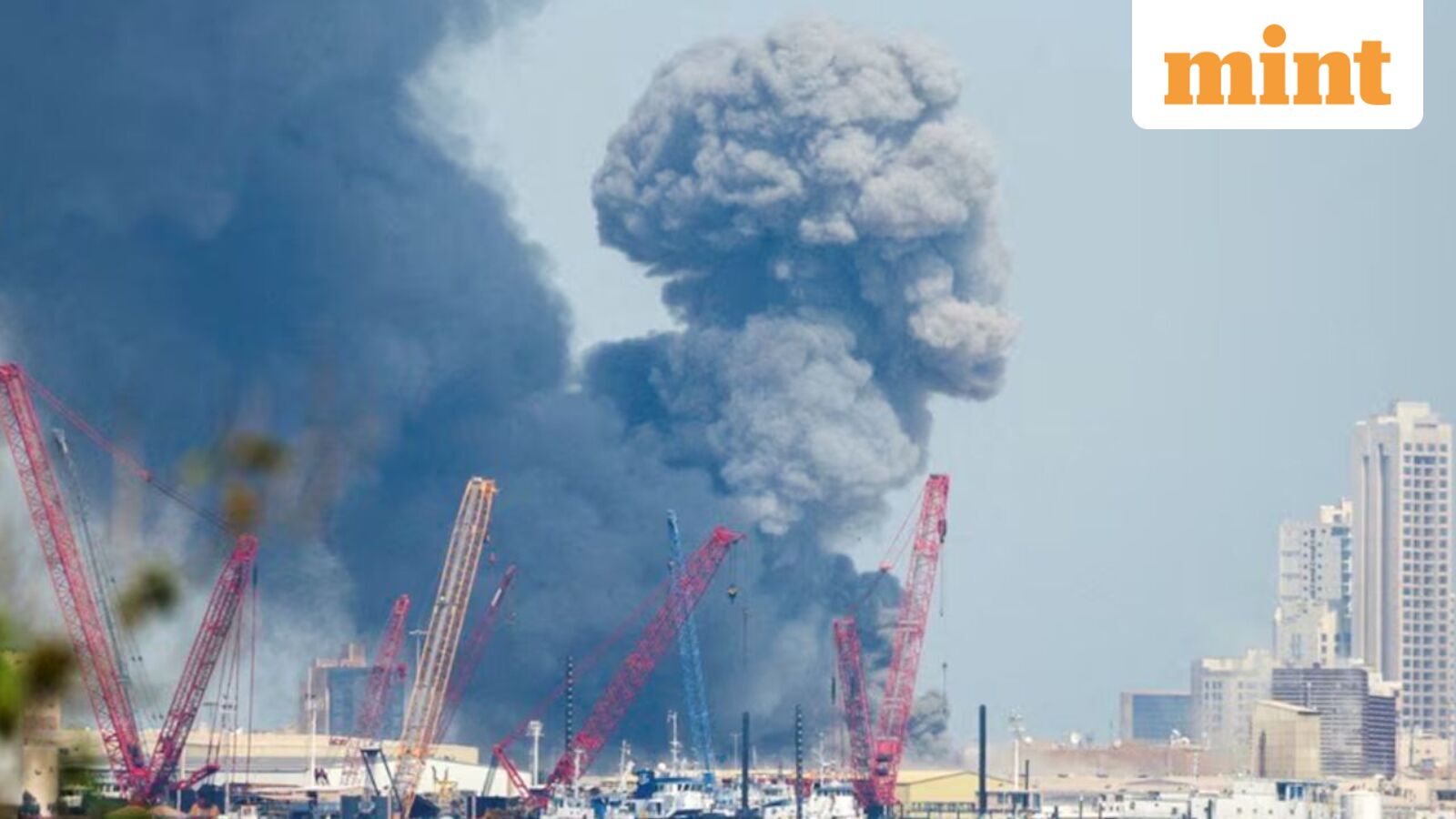
Iran warned it would strike oil fields in Saudi Arabia, the UAE, and gas fields in Qatar and Israel if the US attacks its energy infrastructure. The threat, carried by Iranian media outlet Nournews, sent Brent crude sharply higher and deepened concerns over Gulf shipping lanes.
Kuwait's military said it destroyed hostile drones targeting several vital facilities early Saturday. Falling debris hit a government site in northern Kuwait and civilian property on Bubiyan Island, causing material damage but no casualties, the army said. The incident marks the conflict's spread beyond Iran and Israel.
The warning follows President Donald Trump's threats of further strikes. Trump said he was losing faith in negotiations with Tehran and warned he would be "hitting them" if diplomacy failed. Saudi Crown Prince Mohammed bin Salman urged Trump not to escalate during a phone call, according to an AP report.
Shipping disruption is already visible. The UK Maritime Trade Operations reported two incidents off Oman. One tanker suffered engine room damage after being struck by an unknown projectile; another reported an explosion near the vessel without damage. The Strait of Hormuz, through which roughly 20% of global oil passes, remains under intense security risk. Deterred shipping has helped push Brent crude prices sharply higher.
Yemen's Iran-backed Houthis renewed threats around the Bab el-Mandeb Strait at the southern Red Sea, adding pressure on another critical maritime route for oil exports. The combination of threats across two chokepoints has traders pricing in a wider regional war that could take out significant supply.
Diplomatic channels remain open. Iranian Foreign Minister Abbas Araqchi told his Saudi counterpart that any US or Israeli attack involving regional countries would draw a "proportionate response," Iranian officials said. Saudi Arabia has publicly urged restraint, and the two countries held talks. A return to negotiations could ease the premium, traders said.
What would make the situation worse: any actual strike on Iranian energy infrastructure – or a perceived involvement by Gulf states in US operations – would likely trigger the retaliation Tehran has promised. That could shut the Strait of Hormuz and send oil above $100, some traders said. The market has seen these threats before without full escalation, but the risk is real.
For US utilities such as Southern Company (SO), higher energy costs feed into fuel expenses, though regulated rate structures cap immediate earnings impact. The stock carries an Alpha Score of 42, reflecting mixed signals on valuation and earnings momentum. Broader equity markets face headwinds from elevated oil and uncertainty over conflict duration.
The next concrete catalyst is any US military action or a diplomatic breakthrough. No new talks have been scheduled. The UKMTO continues to monitor shipping lanes off Oman and the Gulf.