Commodities● Neutral
Iran Tanker Breakout Tests Oil Market's Hormuz Reopening Bet
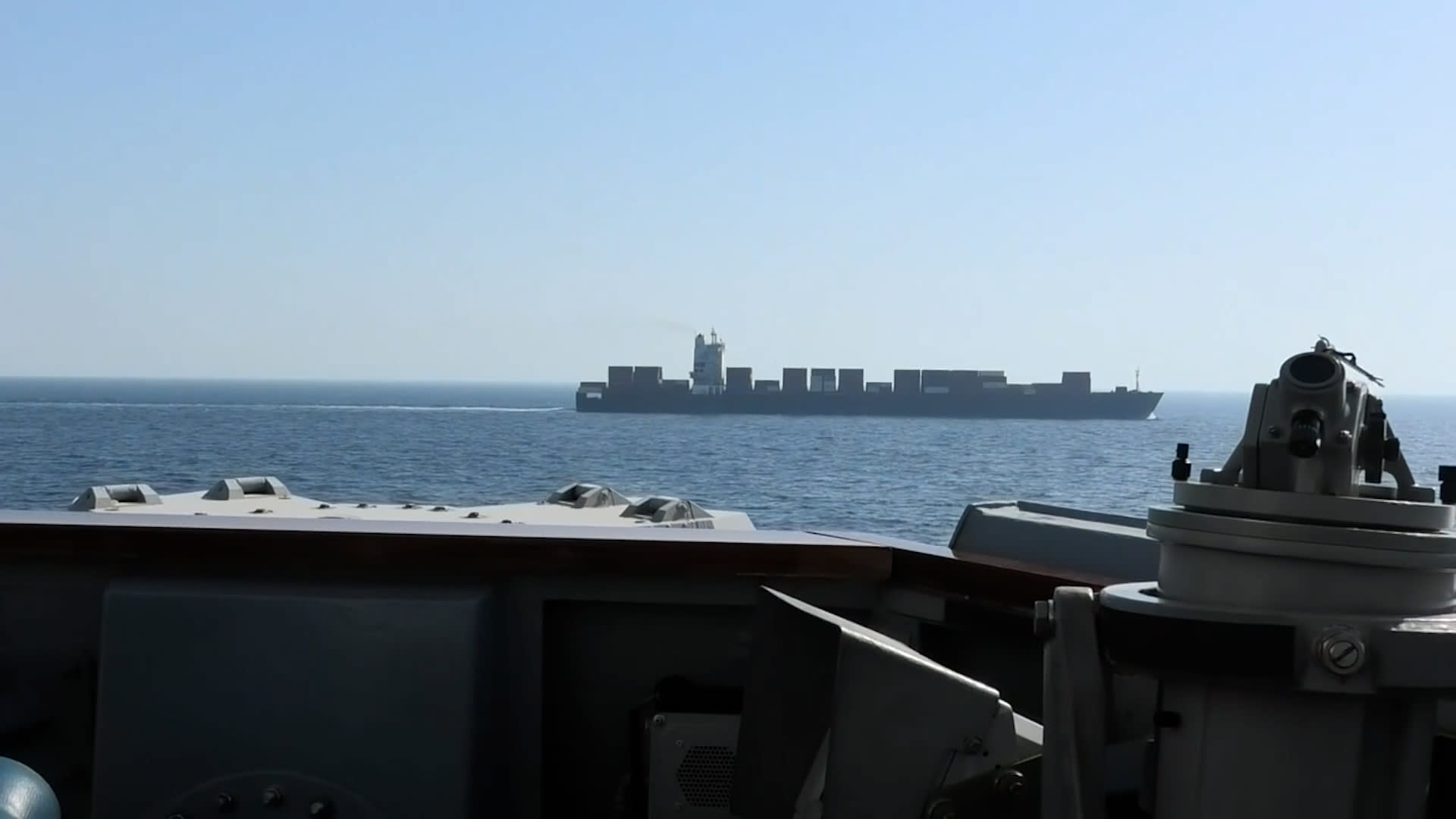
Three Iranian supertankers carrying 4.8M barrels exit the U.S. blockade ahead of Friday's Geneva deal. Shipowners are split between first-mover bets and insurer caution. Friday's signing decides which side is right.
Continue with
Three Iranian supertankers carrying nearly 5 million barrels of crude slipped past the U.S. Navy blockade in the Strait of Hormuz this week, the first outbound shipments in two months. The Diona and Hero 2, owned by the National Iranian Tanker Company and under U.S. sanctions, together carried 3.8 million barrels, shipping data from Kpler shows. A third tanker hauled another 1 million barrels out on Wednesday.
The departures come ahead of a U.S.-Iran deal signing scheduled for Friday in Geneva. The two sides signed a Memorandum of Understanding on Monday. Washington will allow Tehran to resume oil sales immediately after the signing, the Wall Street Journal reported Tuesday, in exchange for a commitment to curb Iran's nuclear program. The formal accord is expected to reopen the strait and waive sanctions on Iranian crude exports.
Shipowners are reading the same headlines and drawing different conclusions. Some VLCC owners are racing tankers toward the Middle East Gulf, hoping to be first into port when the backlog clears. Dozens of very large crude carriers sailed from the South China Sea and across the Indian Ocean toward UAE ports over the past week, according to maritime intelligence firm Windward. At least 30 ships were already anchored there.
Others are holding position. The maritime sector is "treating the news with something closer to wary disbelief than celebration," Lloyd's List Intelligence said. Insurers are refusing to lower war-risk premiums until they see "solid evidence" the waterway will stay safe, Lloyd's analysts wrote in a client note Tuesday. They called the outlook "a fragile reprieve rather than a return to normality."