Stocks● Neutral
Iran Talks 'on the Borderline': 72-Hour Window for Oil Markets
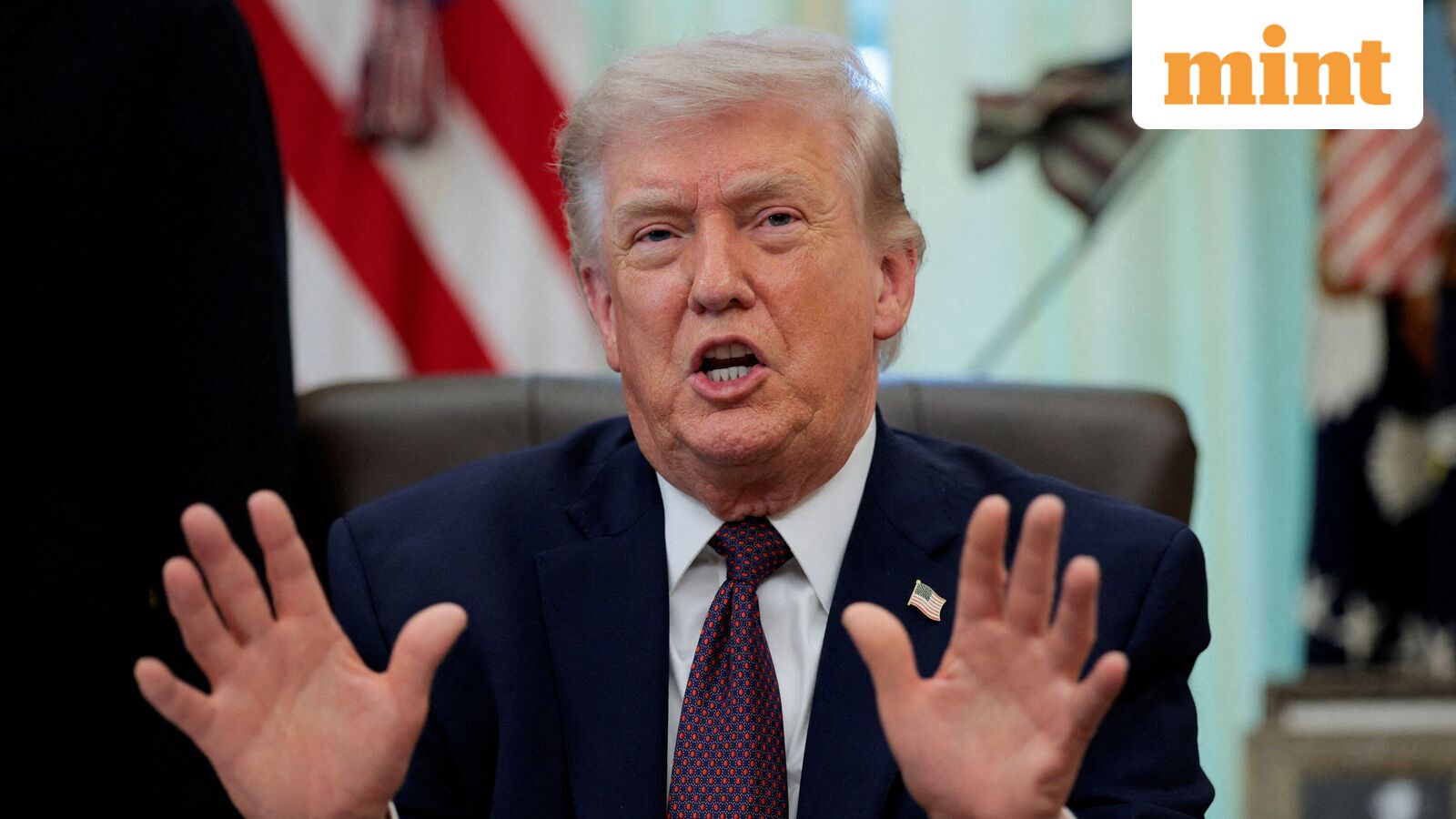
Trump warns Iran talks at knife's edge. Strait of Hormuz transit at 26 ships vs 140 pre-war. Oil markets face immediate escalation risk or gradual reopening.
Continue with
President Donald Trump warned on Wednesday that negotiations with Iran are "right on the borderline" between a peace deal and renewed US military strikes. Speaking at Joint Base Andrews, Trump said the window for a diplomatic resolution is narrow: "It could be a few days, it could go very quickly."
The warning removes ambiguity about the pace of escalation risk. Trump confirmed he had been one hour away from ordering a resumption of strikes against Iran on Tuesday, postponing that decision at the request of several Gulf states. This is the second time in six weeks he has pulled back from military escalation. The first pause – Operation Epic Fury, suspended in April – bought a ceasefire that has yielded little tangible progress in talks.
The "Few Days" Window: Trump's Escalation Timeline
Trump's language at Joint Base Andrews was among his starkest on the state of negotiations. He stated that failure to get "complete 100 percent good answers" would trigger military action that goes "very quickly." Asked how long he was willing to wait, he set a timeframe: "a few days."
The shift matters because it collapses the time horizon for market pricing of disruption risk. The implied probability of a strike resumption has moved from theoretical to near-term binary. Investors must now assess whether the ceasefire holds through the weekend or breaks.
Iran's Response: No Surrender, New Proposal
Tehran has not softened its public posture. Iran's Revolutionary Guards warned that renewed military action would trigger a regional war that "will extend beyond the region this time." Iranian President Masoud Pezeshkian wrote on X: "Forcing Iran to surrender through coercion is nothing but an illusion." Parliament Speaker Mohammad Baqer Qalibaf, Iran's top peace negotiator, said in an audio message that the Americans were preparing new attacks.
Iran submitted a new offer this week. According to Tehran's descriptions, the proposal largely repeats terms Trump previously rejected:
- Control of the Strait of Hormuz
- Compensation for war damage
- Lifting of sanctions
- Release of frozen assets
- Withdrawal of US troops from the region
Pakistan continues to serve as the primary mediator. On Wednesday, Pakistan's interior minister was in Tehran as part of the latest diplomatic push.
Strait of Hormuz: The Real Economic Lever
At the economic heart of this escalation risk lies the Strait of Hormuz. Iran has largely closed the strait to all vessels except its own since the US-Israeli attacks began in February, causing what analysts describe as the most severe disruption to global energy supplies in history.
On Wednesday, Iran released a map outlining a "controlled maritime zone" at the strait. Transit now requires authorisation from a newly created authority. Tehran indicated it aims to reopen the strait to countries it considers friendly, potentially with access fees. Washington said such fees are unacceptable.
The Numbers on the Water
Shipping monitor Lloyd's List reported that at least 54 vessels transited the strait last week, roughly double the previous week's figure. Iran said 26 ships crossed in the 24 hours to Wednesday. Pre-war daily crossings averaged 140.
A concrete signal: Two large Chinese oil tankers carrying a combined cargo of about four million barrels exited the strait on Wednesday. Iran had announced last week, while Trump was in Beijing, that it had eased transit rules for Chinese vessels. South Korea's foreign minister confirmed a South Korean tanker was also crossing in coordination with Iran.
Practical rule: The Strait of Hormuz transit count is the single most transparent metric for real-time escalation risk. A sustained increase above 80 vessels per week would signal that Iran's controlled zone is becoming operational. A drop back to single digits would signal either a breakdown in talks or a new blockade.