Commodities● Neutral
Iran Suspends US Talks After Trump Threatens New Strikes
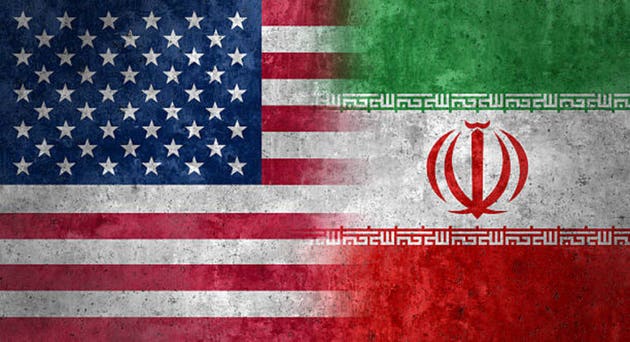
Iran suspended US talks after Trump threatened new strikes. The move raises the risk of supply disruptions from the Strait of Hormuz, boosting crude oil's geopolitical premium.
Continue with
Iran suspended participation in U.S. talks in Switzerland on Sunday, hours after President Donald Trump warned of new strikes against Iranian-backed groups. The halt throws the main diplomatic channel for de-escalation into doubt and raises the risk of supply disruptions from the Strait of Hormuz.
Trump's warning came after a series of attacks on U.S. forces and commercial shipping in the Persian Gulf. He said the U.S. would respond with force if the attacks continued. Tehran's decision to pull out of the talks leaves the two sides no closer to a framework for reducing tensions.
For crude oil markets, the breakdown in diplomacy puts the Strait of Hormuz back at the center of risk calculations. The waterway handles a large share of global oil shipments. Any disruption to tanker traffic there would tighten physical supply and push prices higher. Traders will now watch for any signs of military escalation that could threaten shipping lanes.
The suspension also complicates efforts to revive the 2015 nuclear deal, which had already stalled. The deal's collapse in 2018 led to a sharp increase in Iranian oil exports being sanctioned. A return to that dynamic would keep Iranian barrels off the market, supporting prices.
Gold and other safe-haven assets also drew bids on the news. Investors rotated out of risk. The dollar strengthened against emerging-market currencies, reflecting the broader risk-off tone. Our earlier analysis of US-Iran talks and their impact on gold and silver highlighted the potential for such a shift.