Commodities● Neutral
US-Iran Talks, Oil, Data Set Gold and Silver's Next Move
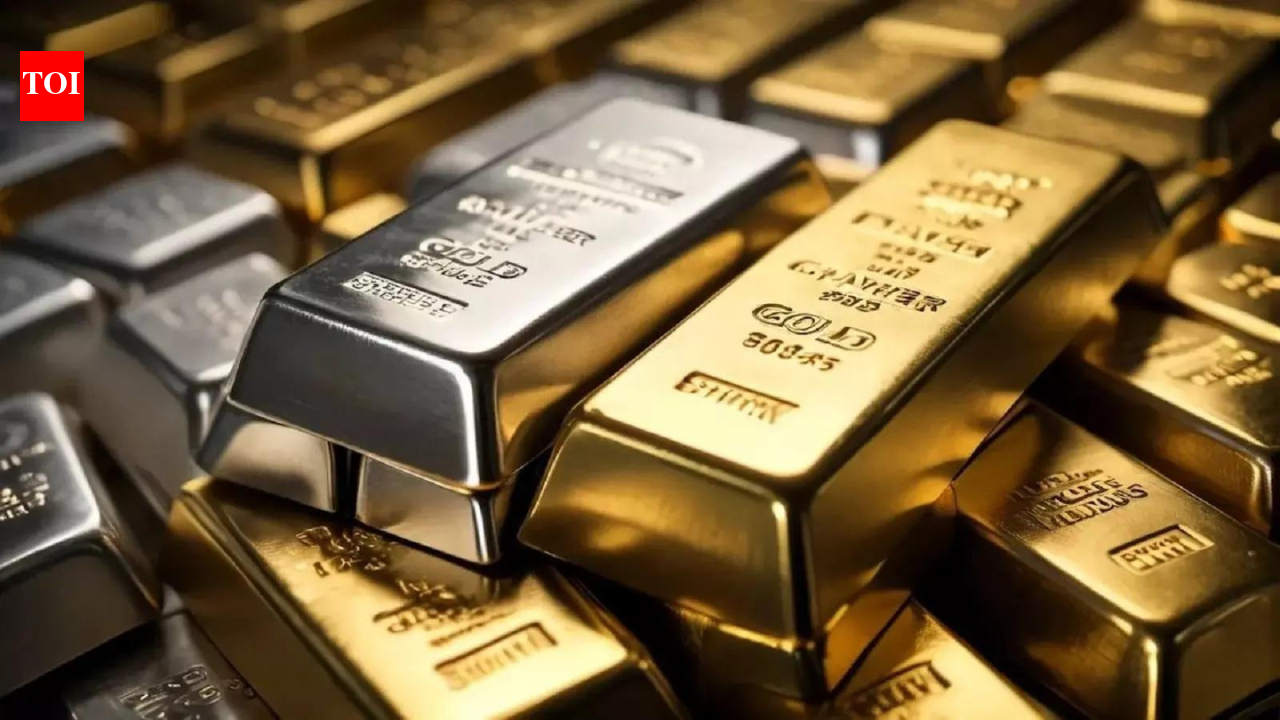
Gold holds near $2,350 as traders weigh US-Iran nuclear talks, crude oil's next leg, and US retail sales. Silver's underperformance hinges on China data and a potential rate-cut catalyst.
Continue with
Gold traders ended the week near $2,350 an ounce, positioned between a softer dollar and the uncertainty of US-Iran nuclear talks that could shift crude oil and the path for Fed rate cuts. The dollar index slipped to a one-week low on Friday. Treasury yields fell, with the 10-year note dropping to 4.45% from 4.62% earlier in the week. That combination provided a floor under gold.
The next catalyst comes from negotiations in Oman. Iran has been exporting roughly 1.5 million barrels per day, much of it to China. A formal lifting of sanctions could add another 500,000 to 1 million barrels per day to global supply, according to tanker tracking data. That would pressure crude prices. Lower crude means lower headline CPI, which gives the Fed room to cut rates sooner. That sequence is gold-positive. Silver, with both monetary and industrial demand, would follow gold higher.
A breakdown in talks keeps the risk premium in crude. Brent crude has held above $82 a barrel on supply concerns tied to Middle East tensions. Higher oil keeps inflation alive and pushes rate-cut expectations into 2025. Gold has absorbed higher rates this year, supported by central bank buying and physical demand from Asia. The People's Bank of China added gold to its reserves for an 18th straight month in April. The Reserve Bank of India also continued purchases. That institutional bid has kept gold supported even when rate-cut expectations have faded. Asian central banks have been diversifying reserves into gold, a trend that shows no sign of abating. The World Gold Council reported first-quarter central bank purchases of 290 tonnes, the strongest start to a year on record.
Silver has lagged gold this year. The gold-to-silver ratio sits near 85, well above the historical average of 60-70. That ratio narrows when industrial demand picks up or when the Fed signals a pivot. Neither condition is firm. Roughly half of silver demand comes from solar manufacturing and electronics. Global solar installations are expected to grow 20-30% this year, supporting silver in photovoltaics. Weak factory data out of China could dampen the outlook for electronics and other uses. China's industrial production numbers and PMI data are due next week. A weak Chinese industrial print would weigh on silver more than gold.