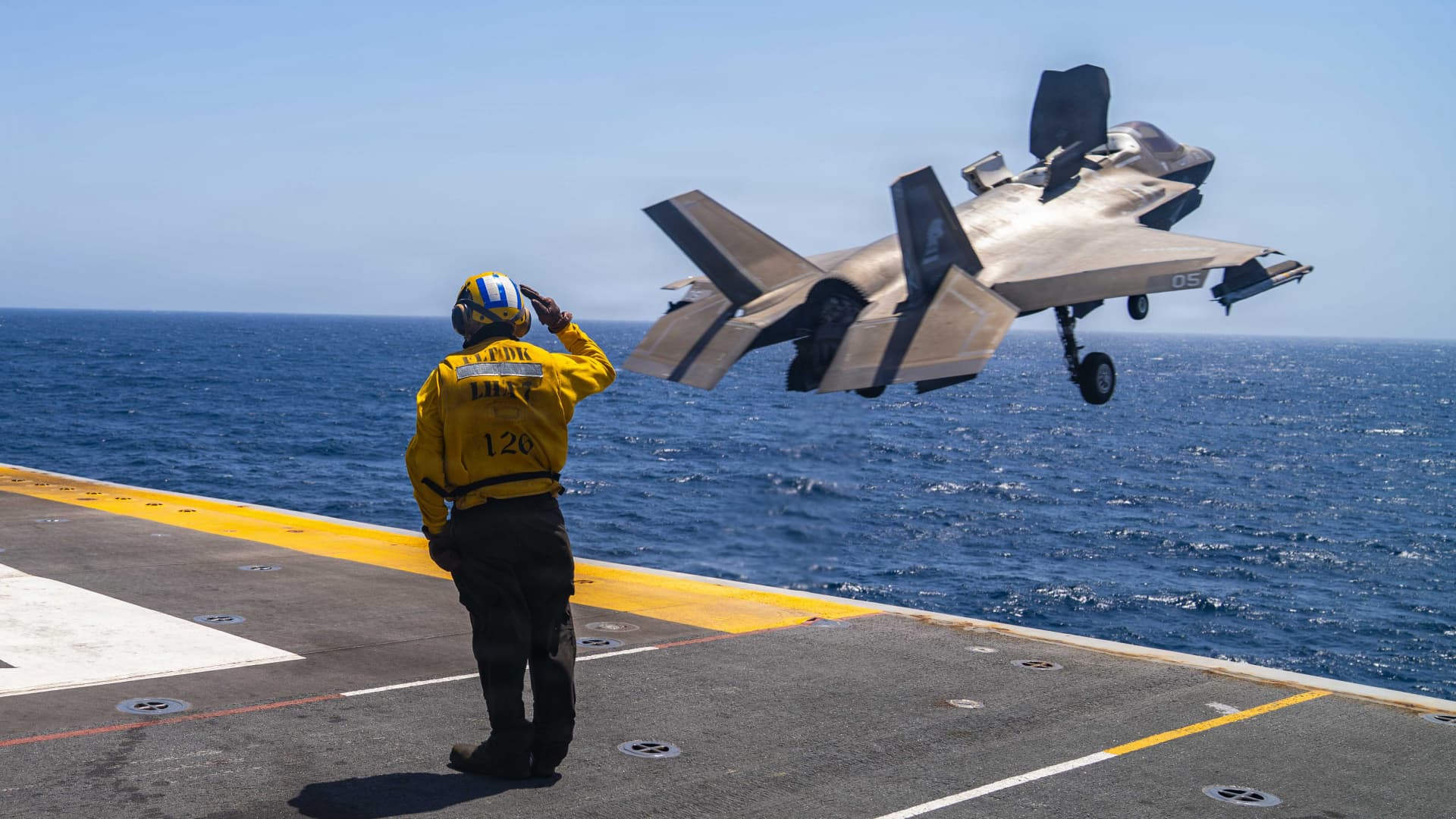
U.S. Central Command said Monday that Iran fired two ballistic missiles overnight targeting American forces stationed in Kuwait. The missiles were intercepted, and no U.S. personnel were harmed. CENTCOM confirmed the attack in an X post, stating that it remains vigilant while supporting the ongoing ceasefire. The missile launch followed U.S. self-defense strikes over the weekend on Iranian radar and drone command-and-control sites in response to prior Iranian aggression.
The Escalation Cycle and Its Market Implications
The naive read treats a failed missile attack with no casualties as a non-event. The better read focuses on sequencing. This is the third kinetic exchange between the U.S. and Iran in one week. Each iteration erodes the ceasefire narrative that has kept Persian Gulf oil transit risk suppressed. For traders, the critical question is whether Iran is testing U.S. response thresholds or preparing a calibrated escalation that could threaten the Strait of Hormuz, a chokepoint for global oil shipments. A credible threat there can add a risk premium to crude futures even without any actual disruption.
Oil and Defense: The Affected Assets
Crude oil futures are the most direct beneficiary of a rising risk premium. Iran-linked violence closes the gap between spot prices and the long-term marginal cost of supply. Benchmark West Texas Intermediate and Brent contracts typically price in a geopolitical risk buffer that expands each time a military incident crosses the wire. The weekend U.S. strikes and the Monday missile launch together create a pattern that forces oil options traders to reprice tail risk for calls on Brent above current levels.
Defense contractors are the second leg. A sustained Iran threat accelerates the Pentagon's procurement cycle for missile defense systems, radar upgrades, and drone countermeasures. Key players include Lockheed Martin (THAAD and Patriot systems), RTX (Raytheon missile interceptors), and Northrop Grumman (drone detection and command-and-control). Each has unclassified backlog that grows incrementally with every CENTCOM request for force protection. No single contract is a catalyst, the cumulative effect of repeated Iranian strikes shifts the risk-reward for the sector relative to the broader market.
Watchlist Decision: Ceasefire vs. Escalation
The story creates a binary for watchlists. If Iran halts retaliatory launches and the U.S. does not escalate further, the ceasefire holds, and the risk premium deflates within a few sessions. That outcome favors staying short energy momentum trades and rotating into rate-sensitive sectors. If Iran launches another attack or the U.S. strikes additional Iranian assets, the escalation cycle becomes self-reinforcing. In that scenario, crude longs and defense positions gain a structural tailwind that can persist for weeks. The next concrete data point is CENTCOM's daily operational update, which will confirm whether Iran is preparing follow-on attacks or de-escalating. Traders should also watch the front-month Brent futures spread for signs that term structure is flipping from contango to backwardation, a classic signal that physical supply risk is being priced in.
Read more on how geopolitical risk feeds into broader stock market analysis. For accessing defense and energy ETFs during volatile regimes, consider brokers with low margin rates and direct market access listed among the best stock brokers.