Iran and Israel both announced a halt to missile attacks on Monday, marking the first direct exchange since the April ceasefire. The pause came after U.S. President Donald Trump requested that Israel stop strikes on Iran, according to Channel 12 television. Trump wrote on Truth Social that "Both sides, Israel and Iran, are looking to do an immediate CEASEFIRE!" and that "final negotiations on 'Peace' are proceeding."
The naive read: The ceasefire is working, risk is fading, and oil will retreat. The better read: This is a tactical pause, not a strategic de-escalation. Both sides explicitly conditioned restraint on the other's behavior. Iran's armed forces declared an end to operations but warned that any further Israeli strikes, particularly in southern Lebanon, would trigger "much more severe and crushing measures than before." Israel said it halted strikes on Iran but would continue operations against Hezbollah in southern Lebanon and threatened to hit Beirut if attacks on Israeli towns persist.
Key insight: A ceasefire that relies on restraint rather than resolution will break the moment one side tests the other's red line. The red line here is Lebanon.
The Transmission Mechanism: How Iran-Israel Conflict Hits Portfolios
The Strait of Hormuz Lever
The Strait of Hormuz carries about 20% of the world's oil supply. During the April ceasefire period, Iran maintained pressure around the strait, keeping a risk premium embedded in crude. Monday's exchange sent Brent crude up roughly 4% as traders priced the chance of a blockade or tanker disruption. The mechanism is straightforward: any direct military confrontation between Iran and Israel raises the probability that Iran will use its navy or proxies to choke the strait, even temporarily. That directly lifts spot oil prices and widens time spreads on futures.
The Houthi Red Sea Dimension
Yemen's Houthi rebels fired at Israel on Monday and warned they would target Israel-linked vessels in the Red Sea. The Houthis have demonstrated the ability to hit commercial shipping, forcing reroutes around the Cape of Good Hope that add days and millions in fuel costs. Shipping insurance premiums for the Red Sea section have already risen. A single successful strike on a tanker could push the risk premium higher, even if the nominal ceasefire holds between Iran and Israel.
The Hezbollah-Lebanon Tinderbox
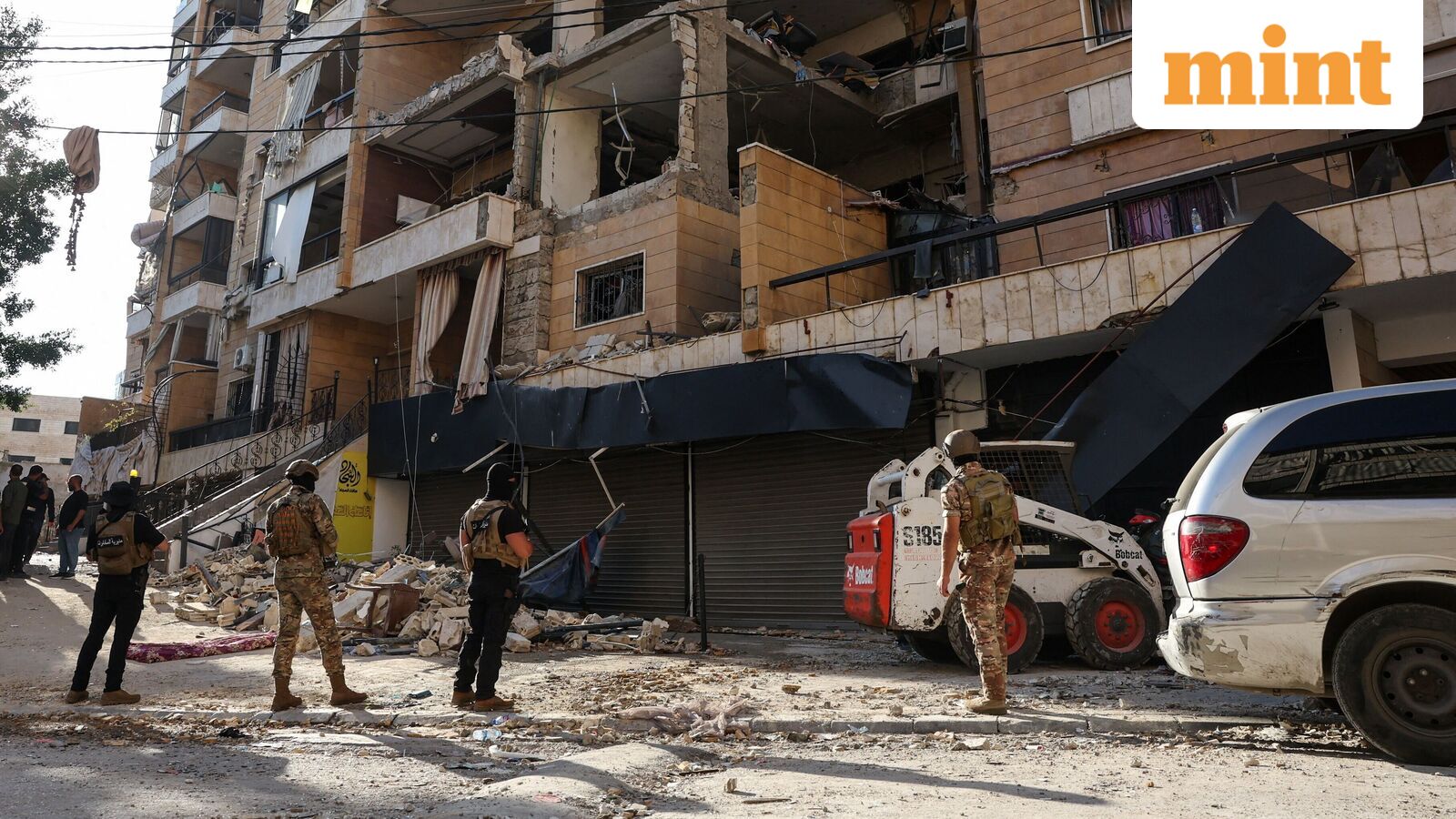
Israel has continued military operations against Hezbollah despite the April ceasefire. Iran explicitly linked its willingness to halt attacks to Israel's behavior in Lebanon. The semi-official Fars news agency quoted the armed forces' joint command: if Israel or its supporters carried out any further "aggression and hostile acts" including in southern Lebanon, then "much more severe and crushing measures than before will follow." The trigger is not a hypothetical – Israel is actively striking Hezbollah targets. A strike that kills a senior Hezbollah commander or hits Beirut's southern suburbs would almost certainly prompt a second Iranian missile wave.
Affected Assets: Where the Exposure Lives
Crude Oil and Energy Equities
The most direct transmission goes into crude oil. The 4% move on Monday is a single-session reaction. A renewed escalation – either a second Iranian strike or a Houthi tanker hit – could add another $5-10 per barrel to the risk premium. Energy equities in the exploration and production space tend to follow spot prices with a lag of 1-2 sessions. Integrated majors with refining exposure to Middle East crude are more exposed to supply disruption risks.
Defense and Aerospace
Defense contractors with Israel procurement ties or regional missile-defense systems benefit from sustained conflict expectations. While no single name is disclosed in the source, the pattern is consistent: governments accelerate orders for interceptors, surveillance drones, and naval assets. The U.S. has maintained a blockade on Iran, and Trump said that would stay until a final deal – keeping defense spending expectations elevated.
Shipping and Logistics
Shipping lines that operate through the Red Sea face a direct cost hit. Every day of elevated Houthi threat increases insurance premiums and may force permanent rerouting. Container carriers that diverted during the earlier Houthi campaign are already running longer voyages. A renewed disruption from Iran-backed proxies would tighten container capacity globally, pushing freight rates higher.
Broader Equity Risk-Off
Geopolitical shocks of this magnitude tend to rotate capital into gold, the U.S. dollar, and Treasury bonds. Risk-on sectors like tech and consumer discretionary can sell off on flight-to-safety flows. The correlation is not perfect – the April ceasefire period saw stocks rise, a reversal of that trend would be a confirmation of real risk pricing.
Timeline: What Triggers the Next Escalation
The Lebanon Catalyst
Israel's ongoing Hezbollah operations in southern Lebanon are the single most likely trigger. Iran has drawn a clear line: any Israeli strike in Lebanon, especially one that kills civilians or hits Beirut, will be met with a stronger response. The timeline is not weeks – it is hours. If Israel launches a significant strike on Hezbollah positions, expect Iran to launch missiles at Israel within 24 hours.
The Houthi Red Sea Escalation
The Houthis have already demonstrated willingness to hit Israeli-linked vessels. A successful strike on a commercial tanker or a U.S. Navy ship would immediately escalate beyond the Israel-Iran dyad, drawing the U.S. into direct retaliation. That would collapse the ceasefire framework entirely.
Diplomatic Off-Ramp
Trump claimed that "final negotiations on 'Peace' are proceeding, subject to ignorance or stupidity getting in its way." Any visible progress – a meeting between U.S. and Iranian officials, a concrete framework for nuclear talks, or a Hezbollah disengagement deal – would reduce the risk premium. The absence of such steps over the next 1-2 weeks confirms the ceasefire is merely a time-out.
What Would Confirm the Risk Is Real
- Iran launches a second missile wave at Israel, citing Lebanese strikes.
- Houthis attack a commercial vessel in the Red Sea, causing damage or loss of crew.
- An Israeli airstrike hits southern Beirut suburbs, killing civilians or high-value Hezbollah targets.
- The U.S. redeploys naval assets to the Persian Gulf or Red Sea, signaling preparation for retaliation.
- Brent crude sustains a move above recent highs (around $78-80), indicating the risk premium is being held by institutional traders.
What Would Weaken the Thesis
- Hezbollah agrees to a mutual disengagement from southern Lebanon, removing Iran's stated trigger.
- Iran returns to full compliance with the JCPOA nuclear framework, easing broader tensions.
- The U.S. announces a new maritime security pact for the Strait of Hormuz and the Red Sea, lowering insurance costs.
- Oil retreats below pre-escalation levels, signaling that the market views the ceasefire as durable.
- Diplomatic channels produce a visible meeting between U.S. and Iranian intermediaries.
Final Paragraph
The April ceasefire framework is holding by a thread. The thread is Hezbollah's southern Lebanon operations and Iran's willingness to treat that as a casus belli. Traders should price the next 10% move in oil and defense stocks not based on headlines about peace talks but based on whether Israel's next Beirut strike triggers a second wave. If the trigger is pulled, the risk event watch shifts from "pause" to "active conflict" – and the 4% oil gain from Monday becomes a floor, not a ceiling.