Stocks● Neutral
Iran Hosts Hormuz Calls with Saudi, Oman as Trump Hails Talks
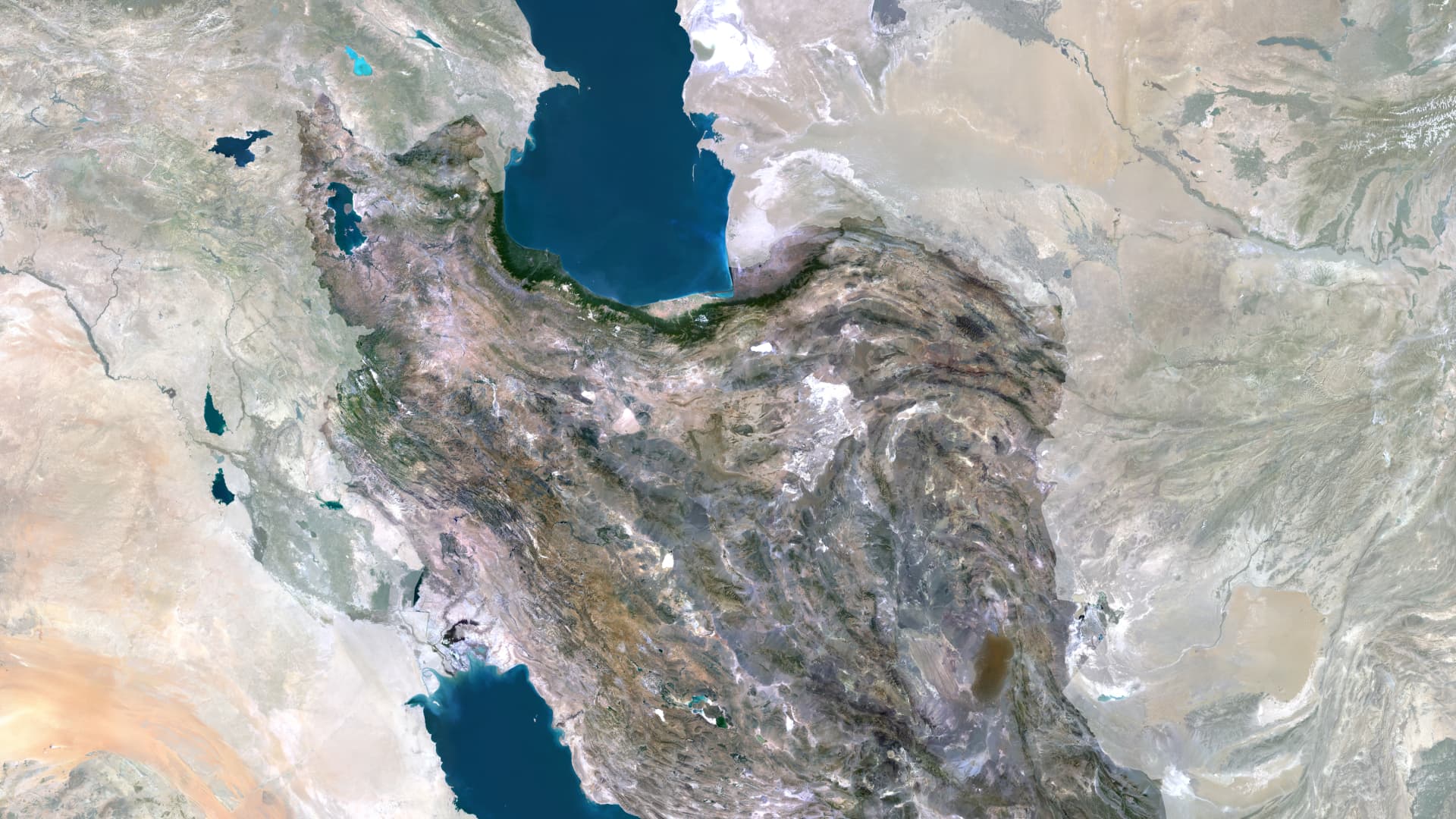
Iran held separate phone calls with Saudi Arabia and Oman on the Strait of Hormuz. President Trump hailed 'good talks' while threatening to resume strikes. Oil fell on the diplomatic opening.
Continue with
Iranian Foreign Minister Seyyed Abbas Araqchi held separate phone calls Tuesday with Saudi Arabia's Faisal bin Farhan and Oman's Badr Al-Busaidi to discuss the Strait of Hormuz. The Iranian foreign ministry said the talks emphasized "the need to strengthen cooperation and advance joint diplomatic efforts to establish stability in the region and eliminate the insecurity imposed on the Strait of Hormuz caused by the aggressive actions of the United States," according to a Telegram statement.
The outreach came as a temporary halt in U.S.-Iran hostilities held after two weeks of strikes ended Friday. Markets responded positively. Stocks rallied and oil prices fell on Monday, with sentiment buoyed by the potential for a lasting peace agreement, traders said.
Other Middle East actors continued military action in recent days. Saudi Arabia reported overnight that it intercepted a "number of drones" allegedly launched by Iran-backed militias in Iraq targeting its oil facilities. The Iraqi militias did not claim responsibility. Yemen's Houthis said they attacked Saudi oil facilities, according to Reuters, leaving the culprits unclear. The Jordanian army said it downed a drone in its airspace overnight.