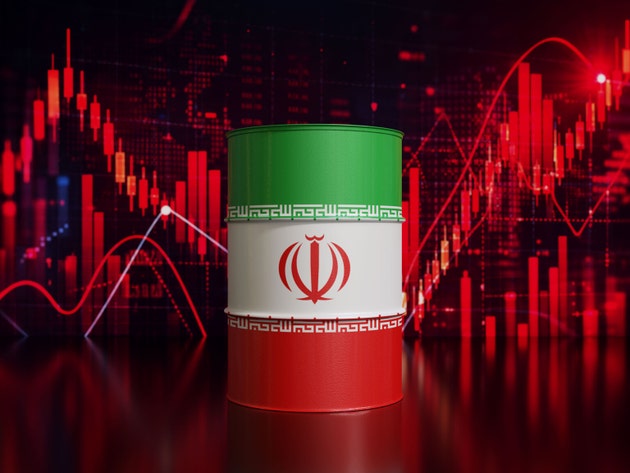
Pakistani PM says US-Iran peace deal imminent; Tehran denies. Crude oil traders weigh geopolitical risk premium. Next catalyst: US official response.
Pakistani Prime Minister Shehbaz Sharif said a US-Iran peace deal could be signed within 24 hours, a claim Tehran immediately rejected. The contradiction leaves crude oil traders in a familiar position: watching for any shift in Iran's oil export status without a clear signal from Washington.
Iran's crude exports have been constrained by US sanctions. The country produces roughly 3.2 million barrels per day, most of which stays off the global market. A genuine deal would unlock supply, pressuring prices. A denial keeps the status quo – and the risk premium – intact.
The real question is not whether a deal is hours away. It almost certainly is not. The question is whether the US is preparing to ease enforcement. Any official statement from the State Department or the White House would be the next catalyst for crude. Without that, the Pakistani claim is noise.
Tehran's denial was firm and immediate. No US official has confirmed or disputed the claim. For crude oil, the market will price the same uncertainty it has for months: Iran's barrels are locked, and no headline changes that without a source in Washington.
Traders can track the crude oil profile for real-time supply data and sanctions impact. For broader commodity market context, see commodities analysis.
Prepared with AlphaScala editorial tooling from the source reporting linked above. Indexable analysis may include a cited Alpha Score value. Publishing checks screen each story before release. Educational coverage, not personalized advice.