World leaders lined up behind the U.S.-Iran agreement on Sunday, a deal that ends three months of war and unlocks the Strait of Hormuz. Oil fell sharply on the news – Brent crude dropped about 4% to $83 a barrel, WTI slid 4.8% to $80.80 – as traders priced in the return of Iranian supply and the reopening of a chokepoint that had effectively been closed since late February.
The signing is set for Friday in Switzerland, with a 14-page draft memorandum that Iranian state media reported includes the U.S. lifting oil sanctions and Iran committing to reopen the Strait of Hormuz within 30 days. The U.K., France, Germany and Italy issued a joint statement calling for the agreement to be “implemented rapidly and comprehensively” and stressing that “urgent reopening of the Strait of Hormuz with unconditional and unrestricted freedom of navigation is essential.” Pakistan’s Prime Minister Shehbaz Sharif confirmed the end of the conflict, and European nations signaled they would lift sanctions on Tehran in exchange for curbs on its nuclear program.
For traders watching oil, the question is how much of the risk premium to unwind now and how much is tied to the implementation timeline. The 30-day window for Hormuz reopening is the first concrete marker. If the U.S. naval blockade comes off before then, tanker rates and insurance costs drop quickly. Iran’s crude output, which was squeezed by sanctions, could return to about 3.5 million barrels a day within months – but the bigger near-term impact is the removal of the supply corridor risk that pushed Brent above $95 in March.
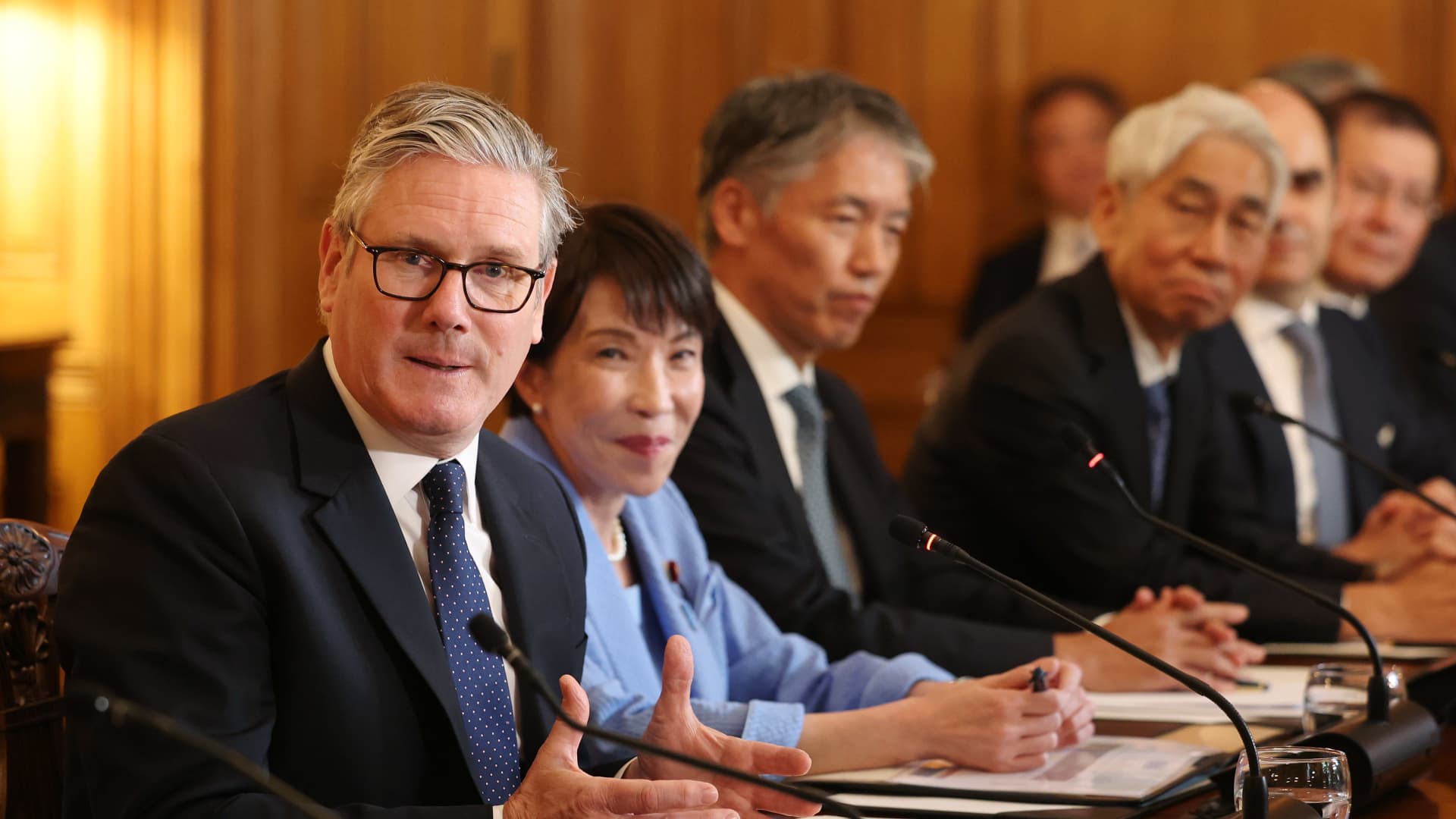
The E4 statement also called for “unconditional and unrestricted freedom of navigation,” a line that signals European readiness to re-engage if the deal stalls. Japan and Qatar similarly backed the agreement, with Japan’s Prime Minister Sanae Takaichi stressing that “free and safe navigation in the Strait of Hormuz will be actually ensured.”
The price drop on Sunday reflects the most optimistic scenario: full sanctions relief and unimpeded flows. What could weaken that outlook? A delay in the signing, or a dispute over verification of nuclear commitments, would reintroduce the supply risk. The 60-day follow-on talks on Iran’s nuclear program are the second pivot point. If those break down, the initial relief could unwind.
Oil dropped about 4% on the session, roughly half of the gain it had put on since the war began. That leaves room for further decline if the implementation runs smoothly – but also a sharp reversal if the 30-day clock on Hormuz fails to start. The deal is signed Friday. The reactivation of the strait within that month is the single most important factor for crude direction.