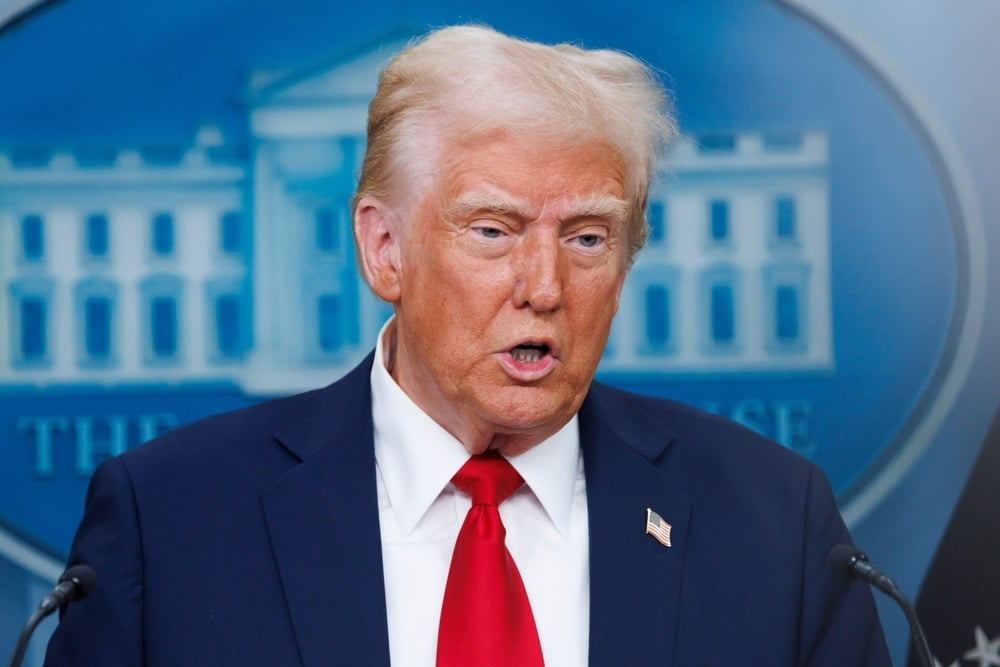
The U.S. military engagement with Iran has cost American consumers $100 billion, according to Moody's Chief Economist Mark Zandi. That figure erases the cushion from recent tax refunds and represents nearly $750 per U.S. household. The estimate lands as WTI Crude Oil futures trade 1.12% lower at about $91.13 per barrel and Brent Crude sits 0.93% lower at $94.10 per barrel. The immediate 8% spike in oil prices after the breakdown of peace negotiations has partially faded. The structural cost to consumers is now the focus.
The $100 Billion Consumer Hit
Zandi described the cumulative cost as a massive economic blow driven by higher military spending and elevated fuel prices. Data cited in the report shows additional energy spending surged to $59.7 billion by late May. That figure outpaced tax refunds by $9 billion. The gap is the mechanism: households are spending more at the pump and less elsewhere.
The read-through for the broader economy is a drag on discretionary spending. Zandi noted that financial pressure is mounting rapidly on lower-income families. He said those families are forcing severe spending cutbacks that will further weigh down what he called a sagging economy.
The $800 Million Daily Pump Cost
Senator Elizabeth Warren (D-Mass.) put a daily number on the cost. She claimed the conflict inflicts $800 million daily in excess costs at the pump. Warren also accused major energy corporations of profiteering. She pointed to a $1.4 billion executive stock sell-off since the war began. She specifically named Chevron Corp. (NYSE: CVX) and ConocoPhillips (NYSE: COP) , noting that their CEOs have personally netted millions.
Trump's Defiance on Oil Prices
President Donald Trump dismissed the market anxiety. In a phone interview with CNBC, Trump shrugged off the collapse of peace negotiations and potential Iranian blockades in the Strait of Hormuz. He stated, "I don't care if they're over, honestly." Trump predicted that crude would soon be "dropping like a rock" and gasoline would plummet to $1.85 a gallon once the crisis resolves. He maintained that American consumers ultimately backed his hardline strategy. "Once you explain that this is all about Iran having a nuclear weapon, people are willing to pay a little bit more," Trump insisted.
The Energy Sector Read-Through
The conflict creates a split setup for energy stocks. Higher oil prices boost revenue for producers like CVX and COP. The political backlash and potential windfall taxes create execution risk.
Chevron and ConocoPhillips Exposure
Chevron (CVX) carries an Alpha Score 46/100, labeled Mixed, in the Energy sector. ConocoPhillips (COP) scores 47/100, also Mixed. Both face the same tension: higher crude prices support near-term cash flow. The risk is that political pressure for price controls or excess profits taxes intensifies as the consumer cost mounts.
Warren's focus on the $1.4 billion executive sell-off adds reputational risk. The accusation of profiteering could accelerate regulatory scrutiny. For traders, the question is whether the oil price spike is durable enough to offset that political overhang.
The Strait of Hormuz Risk
Trump's dismissal of potential Iranian blockades in the Strait of Hormuz is the single biggest wildcard. A disruption there would send oil prices sharply higher. The current price action suggests the market is pricing a low probability of that scenario. Any escalation in rhetoric or military posture near the strait would force a repricing.
What Confirms or Weakens the Thesis
The bull case for energy stocks rests on sustained oil prices above $90. The bear case rests on a diplomatic resolution or a demand slowdown from the consumer spending drag Zandi described.
Confirming Signals
- WTI holding above $90 on any Hormuz headlines
- Continued executive stock sales at CVX and COP (signals insider confidence in the price floor)
- Further data showing consumer spending shifting from discretionary to energy
Weakening Signals
- A ceasefire or renewed nuclear talks that collapse the geopolitical risk premium
- A sharp drop in WTI below $85 on demand concerns
- Legislation targeting windfall profits that caps upside for producers
The Broader Economic Drag
Zandi's data shows the consumer hit is not theoretical. The $59.7 billion in extra energy spending by late May is real money leaving other parts of the economy. Lower-income families are the most exposed. Their forced spending cutbacks create a negative feedback loop: weaker retail sales, slower GDP growth, and potentially lower corporate earnings outside the energy sector.
Moody's Corporation (MCO) , which carries an Alpha Score 57/100 (Moderate) in the Financials sector, has a direct interest in this dynamic. A weaker economy means higher credit risk across consumer and corporate debt. Zandi's own employer is exposed to the downside he is describing.
Practical rule: The $100 billion consumer hit is already in motion. The oil price spike is the visible symptom. The invisible symptom is the demand destruction spreading through the rest of the economy. Energy stocks may rally on supply fears. The broader market is pricing a different outcome.
Bottom line for traders: Watch the spread between WTI and consumer discretionary ETFs. If oil holds above $90 while retail stocks fall, the Zandi thesis is playing out. If both rise together, the market is betting the consumer can absorb the cost.