IOB cleared ~₹20,000 crore in accumulated losses, unlocking dividend eligibility. The state-owned lender now plans a ₹5,000 crore QIP in H2 FY27, with Sebi's public float deadline approaching.
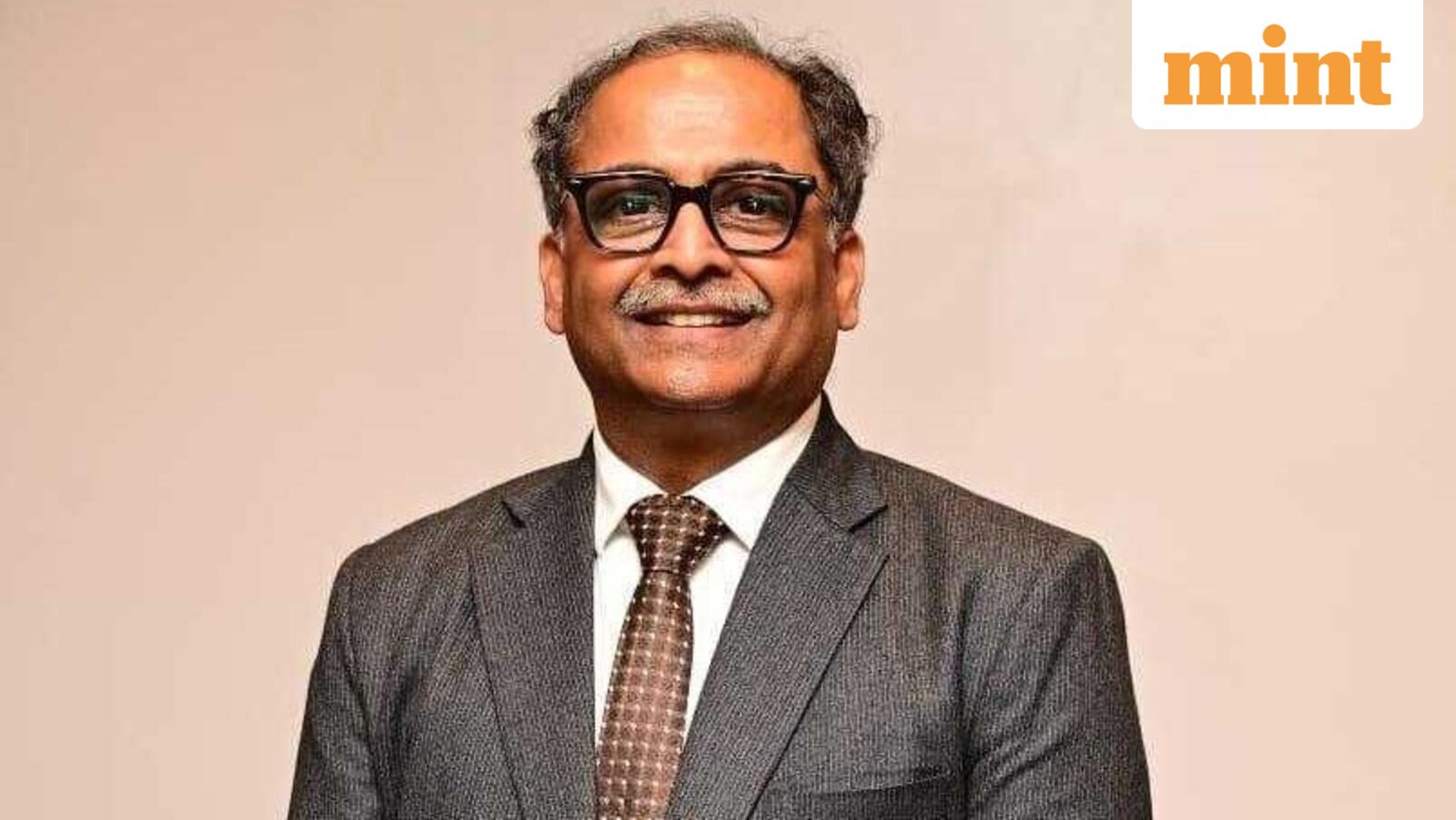
Indian Overseas Bank has wiped out roughly ₹20,000 crore in accumulated losses from its books, a cleanup that makes the state-owned lender eligible to pay dividends for the first time in years, Managing Director and Chief Executive Ajay Kumar Srivastava said.
The bank is now preparing to raise up to ₹5,000 crore through a qualified institutional placement of shares in the second half of FY27, after it secures remaining statutory and regulatory approvals. The board has already approved the QIP.
“We are awaiting the remaining statutory and regulatory approvals. If we receive them during this quarter, which we expect, we may approach the market in the latter part of the third quarter or anytime during the fourth quarter, possibly in one or more tranches,” Srivastava said.
Roughly ₹20,000 crore of accumulated losses were on the books as of March 2020. The bank has been reducing them each year through net profit generation, Srivastava said. “Now, as we speak, this accumulated loss of around ₹20,000 crore has been reduced to nil.”
IOB remained in losses between 2014 and 2020, generating the accumulated deficit. “This quarter we have liquidated all accumulated losses. The balance sheet is absolutely clean now. Going forward, we are eligible to declare dividends, subject to the board’s approval,” Srivastava said. Dividend eligibility is expected to boost investor interest ahead of the QIP.
The share sale matters for IOB’s capital structure because the central government owns 92.44% of the bank, according to the shareholding pattern as of June 30, 2026. Insurance companies hold 3.72%, individual investors 2.40%, foreign portfolio investors 0.47%, mutual funds 0.24%, and financial institutions and banks own 0.33%. The QIP is expected to strengthen the bank’s capital base while diluting the government’s holding and improving the public float over time.
The Securities and Exchange Board of India mandates a minimum 25% public shareholding for listed companies under the Listing Obligations and Disclosure Requirements. Public sector banks have been granted periodic relaxations, with the latest exemption from penal action valid until September 2026.
IOB reported a 49.32% year-on-year rise in net profit for the June quarter, to ₹1,659 crore. Net interest income increased 34.3% to ₹3,688 crore. Operating profit grew 14.21% to ₹2,693 crore.
Domestic net interest margin improved to 3.48% from 3.17% a year earlier, while global NIM rose to 3.37% from 3.04%, Srivastava said. The improvement was driven by healthy credit growth, better lending yields and a lower cost of deposits. “Our cost of deposits has come down to around 4.7% from 5.04% a year ago. Interest income has increased while interest expenses have been kept under control, resulting in strong NII growth and improved margins,” he said.
Retail advances increased to ₹96,637 crore as of June-end 2026 from ₹70,803 crore a year earlier, a 36.49% jump. Srivastava said nearly 80% of the bank’s credit portfolio comprises retail, agriculture and MSME advances. He attributed the growth to the decentralization of loan processing through 57 Loan Processing Centres.
On gold loans, Srivastava said the RBI’s revised regulatory framework has not impacted business growth. The bank has automated the entire gold loan process, with nearly 80% of its gold loan portfolio carrying a loan-to-value ratio of around 60-65%. The gold loan portfolio stands at roughly ₹1.26 trillion, and the bank expects 30-35% growth during FY27.
IOB has already mobilized around $300 million under the special FCNR(B) deposit scheme and expects to raise another $300-350 million before September, taking total dollar deposits to $600-650 million.
Srivastava said the bank has not witnessed any material stress in its corporate, MSME or export-oriented loan book despite recent geopolitical tensions and global trade uncertainties. “There may be isolated cases, we have not seen any systemic stress. Our slippage ratio was only 0.06% during the quarter, which is among the lowest in the banking system.”
Drafted by a large language model from the source reporting linked above, then screened by automated publishing checks. It is not read by a journalist before publication. Some articles cite our Alpha Score. Verify prices and figures against the original source. Educational coverage, not personalized advice.