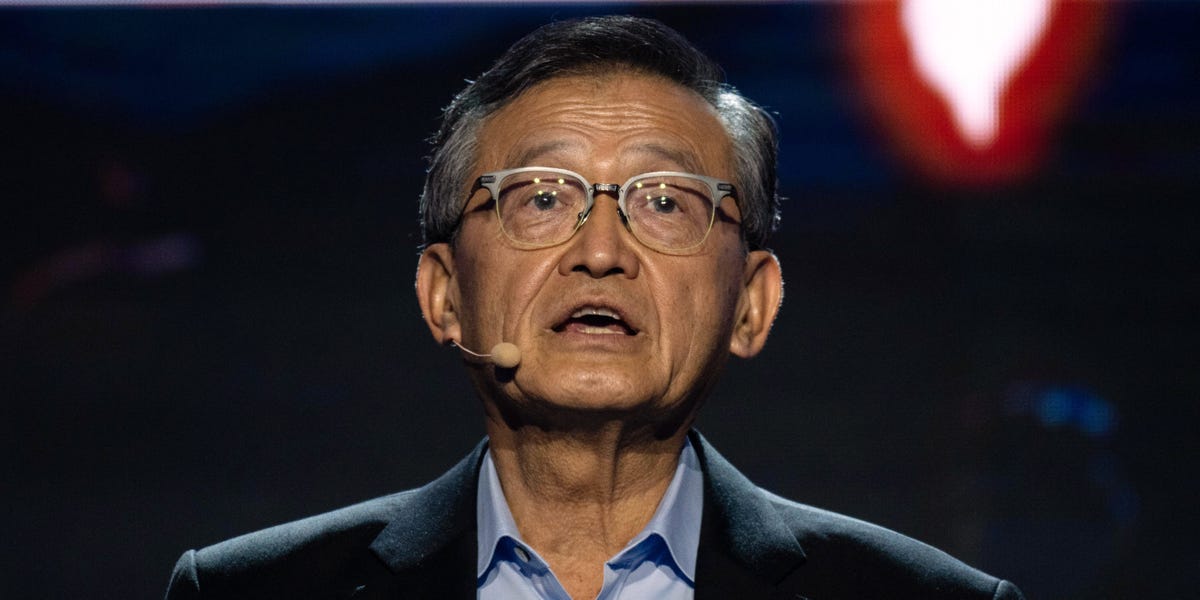
Intel posted its strongest revenue growth in more than 15 years during the second quarter, CEO Lip-Bu Tan said Thursday. The chipmaker's shares jumped more than 11% in after-hours trading.
Revenue reached $16.1 billion, up 25% from a year earlier. Adjusted earnings came in at $0.42 per share, nearly double what Wall Street had expected.
The data center and AI business, an area where Intel has long trailed Nvidia, grew 59% year over year to $6.3 billion. Tan attributed the improvement to better execution – "greater speed, accountability, and customer focus," he said.
The results come days after Intel announced layoffs in its data center group as part of a broader efficiency push. The company has been playing catch-up after missing the early AI boom. In 2025, the U.S. government took a 9.9% stake in the chipmaker. Intel also lost its spot in the Dow Jones Industrial Average last year.
Intel's turnaround strategy hinges on its foundry business, which manufactures chips for outside customers. The move puts the company in direct competition with TSMC, the global leader in contract chipmaking. The foundry segment lost $2.1 billion in the quarter. It has yet to sign the major customers Tan's strategy requires.
Emarketer senior analyst Jacob Bourne called the foundry business "a work in progress." The segment's losses, he said, underscore the challenge Intel faces in winning over large third-party clients.
The question now is whether Intel can sustain the revenue acceleration. The 25% growth rate will be a tough comparison in the coming quarters. On Intel's stock page, AlphaScala assigns the chipmaker a score of 35 out of 100, labeling it as Mixed.
Intel plans to report third-quarter results in October.