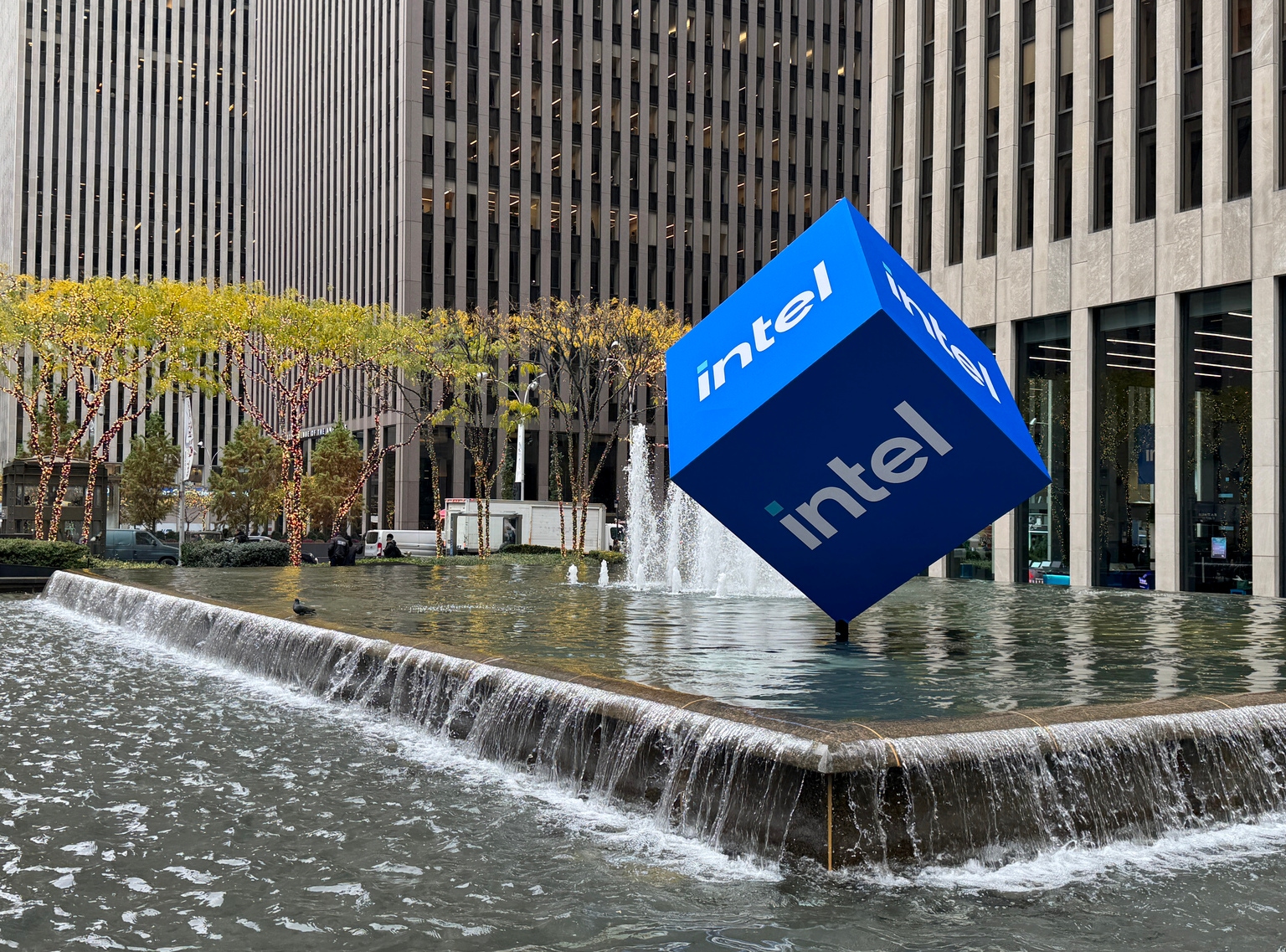
Intel Corporation shares experienced a sharp upward move following its first quarter results, signaling a potential inflection point for the semiconductor manufacturer. The market response reflects a shift in sentiment regarding the company's ability to manage its foundry transition and stabilize core revenue streams. While the immediate price action suggests investor relief, the underlying narrative remains tethered to the execution of its long-term manufacturing roadmap.
Foundry Transition and Operational Execution
The core of the current narrative rests on Intel's progress in scaling its foundry business. Investors are evaluating whether the company can successfully separate its product design and manufacturing units to attract external customers. This structural change is intended to improve cost transparency and operational efficiency. The recent quarterly performance provides a baseline for how effectively the company is managing its internal capital allocation during this transition period.
Success in this area requires consistent delivery on process nodes and yield improvements. The company must prove that it can maintain competitiveness against pure-play foundries while simultaneously supporting its own internal product roadmap. Any deviation from these milestones will likely lead to renewed volatility as the market recalibrates its expectations for long-term margin expansion.
Sector Read-Through and Competitive Positioning
The broader semiconductor landscape continues to grapple with inventory normalization and uneven demand across end markets. Intel's ability to navigate these headwinds provides a signal for the health of the broader technology sector. As seen in other market analysis, companies with high exposure to infrastructure and legacy computing are currently balancing cost pressures against the need for sustained research and development spending.
Intel currently holds an Alpha Score of 53/100, reflecting a mixed outlook as the company navigates these sectoral challenges. Detailed performance metrics and historical trends for the company can be found on the INTC stock page. The interplay between Intel's foundry ambitions and the competitive landscape will remain a primary focus for those tracking the stock market analysis for the technology sector.
The Path to Sustained Valuation
Valuation for Intel is increasingly tied to the credibility of its multi-year recovery plan. The market is looking for evidence that the company can generate sustainable free cash flow while funding its capital-intensive manufacturing build-out. The next concrete marker for investors will be the upcoming guidance update regarding capital expenditure and the timeline for reaching break-even status in the foundry segment.
Management must demonstrate that the recent revenue stabilization is not merely a result of inventory restocking but a sign of durable demand for its next-generation process technology. If the company fails to show progress in securing third-party foundry contracts, the current valuation premium may prove difficult to maintain. The focus remains on the next quarterly filing to confirm whether the recent operational improvements are structural or transitory in nature.