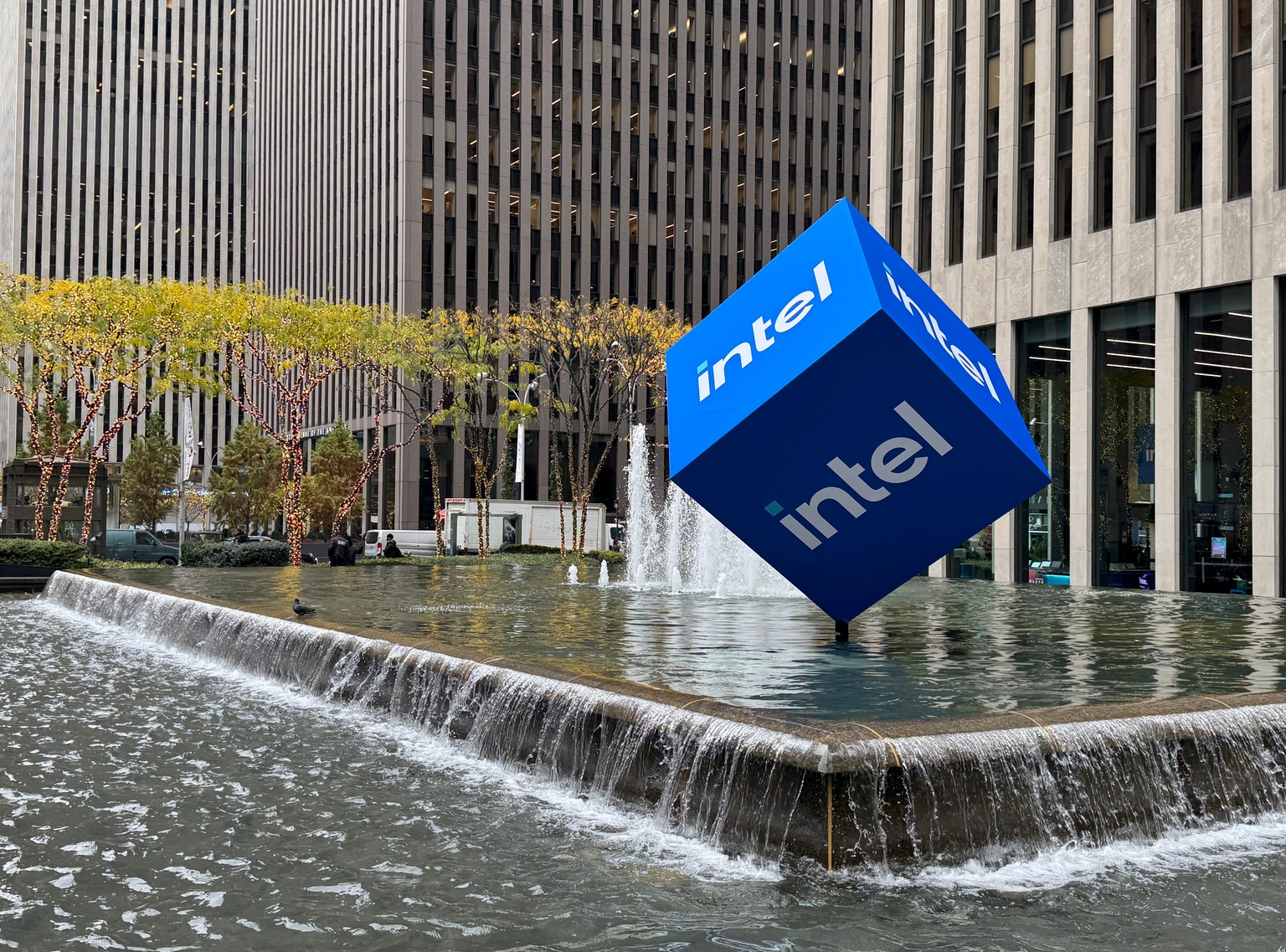
Intel Corporation has encountered a significant shift in its market narrative as competitive pressures from foundry rivals and the rise of custom silicon architectures force a reassessment of its long-term growth trajectory. The company is currently navigating a landscape where traditional dominance in central processing units is being challenged by TSMC and Samsung, both of which have gained ground in manufacturing efficiency and process node advancement. This transition marks a departure from the historical stability of the semiconductor sector, as major clients increasingly pivot toward internal chip design to optimize performance for specific workloads.
Competitive Erosion and Foundry Challenges
The core of the current challenge lies in the widening gap between Intel and its primary foundry competitors. As customers move toward custom silicon, the reliance on Intel as a primary manufacturing partner has diminished. This shift is compounded by the capital-intensive nature of maintaining leading-edge manufacturing capabilities, which requires sustained investment even as market share in the data center and consumer segments faces persistent erosion. The inability to match the rapid iteration cycles of competitors has left the company vulnerable to new entrants that prioritize specialized architecture over general-purpose computing.
Strategic Reorientation and Valuation Impact
Intel's current valuation reflects the market's skepticism regarding its ability to successfully pivot its business model toward a foundry-first strategy. The transition requires not only significant operational restructuring but also a fundamental change in how the company engages with its largest customers. Investors are now weighing the cost of this transition against the potential for margin compression as the company attempts to compete on price and technology with established foundry giants. The following factors remain central to the current assessment of the company's outlook:
- The ongoing loss of market share in high-growth data center segments.
- Increased capital expenditure requirements to modernize fabrication facilities.
- The structural shift in client preference toward proprietary, custom-designed silicon.
AlphaScala data currently assigns INTC an Alpha Score of 53/100, reflecting a mixed outlook as the company attempts to stabilize its operational footprint amidst these broader industry shifts. This score highlights the uncertainty surrounding the timing and efficacy of the current turnaround efforts. While the company maintains a significant intellectual property portfolio, the path to reclaiming its competitive edge remains obstructed by the rapid pace of innovation elsewhere in the semiconductor ecosystem. As noted in broader market analysis, the semiconductor sector is undergoing a period of intense scrutiny regarding capital allocation and long-term demand sustainability.
The next concrete marker for the company will be the upcoming guidance update regarding its foundry division's capacity utilization and the progress of its next-generation process nodes. These filings will provide the necessary data to determine if the current strategic pivot is gaining traction with external customers or if the company will continue to rely primarily on internal demand to fill its manufacturing capacity. Investors should monitor these disclosures to gauge whether the structural decline in market share has reached a floor or if further adjustments to the company's long-term growth expectations are required.