Stocks● Neutral
Instacart Buys Arpalus to Scan Shelves for Out-of-Stocks
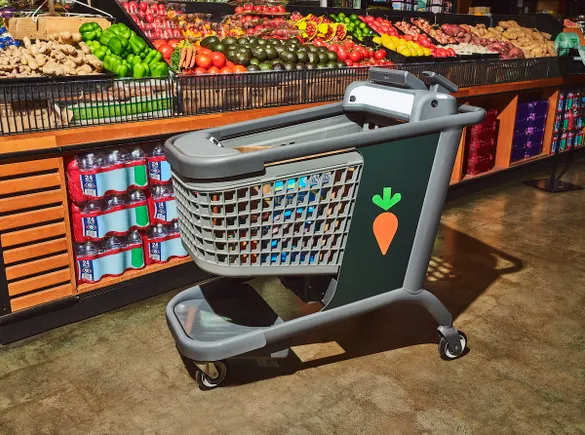
Instacart's acquisition of Arpalus puts 95%-accurate shelf scanning into its workers' hands, targeting the out-of-stocks that frustrate online grocery customers.
Continue with
Instacart acquired Arpalus, a startup whose technology lets workers record product levels on store shelves using a smartphone app. The purchase targets a persistent complaint in online grocery: unnoticed out-of-stocks and missing product availability details are among the top reasons customers are dissatisfied, Instacart said.
Arpalus’ system identifies specific items with 95% accuracy, on average, according to Instacart. The computer-vision models are tuned for grocery stores, where products sit in tight clusters, lighting varies and data connections can be spotty. Instacart said the technology will blend with the app it already uses to handle orders.
The e-commerce company’s roughly 600,000 workers visit large-format retail locations more than 15 times a day, on average, and deliver more than 10 million bits of data about shelf items. Instacart expects the integration to improve the customer experience, boost worker earnings and give food suppliers and retailers clearer inventory data.