Back to Markets
Stocks● Neutral

INS Dhruv Integration Signals Shift in Indian Maritime Defense Posture

INS Dhruv Integration Signals Shift in Indian Maritime Defense Posture
ASATLOW

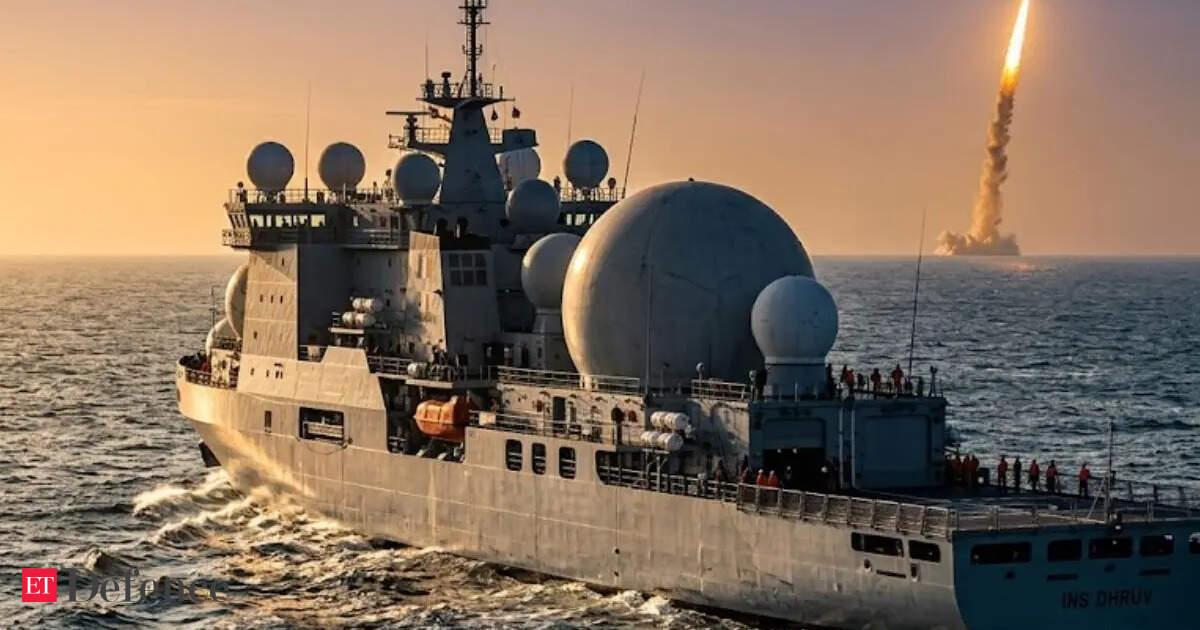
The operational deployment of INS Dhruv enhances India's strategic missile tracking and space surveillance, shifting the focus toward high-end maritime defense and multi-agency intelligence coordination.

AlphaScala Research Snapshot
Live stock context for companies directly referenced in this story
Consumer Cyclical
Alpha Score
47
Weak

Alpha Score of 47 reflects weak overall profile with moderate momentum, poor value, moderate quality. Based on 3 of 4 signals — score is capped at 90 until remaining data ingests.

Alpha Score
55
Moderate

Alpha Score of 55 reflects moderate overall profile with moderate momentum, moderate value, moderate quality. Based on 3 of 4 signals — score is capped at 90 until remaining data ingests.

Communication Services
Alpha Score
61
Moderate

Alpha Score of 61 reflects moderate overall profile with weak momentum, strong value, moderate quality, moderate sentiment.

Consumer Discretionary
Alpha Score
47
Weak

Alpha Score of 47 reflects weak overall profile with strong momentum, weak value, weak quality. Based on 3 of 4 signals — score is capped at 90 until remaining data ingests.

This panel uses AlphaScala-native stock data, separate from the source wire linked above.

The operational deployment of INS Dhruv marks a transition in India's maritime defense strategy, moving from standard naval patrol capabilities to high-end strategic missile tracking and space surveillance. As a specialized vessel, the ship provides the necessary telemetry validation required for long-range missile testing over oceanic corridors. This capability is essential for verifying the performance of strategic assets in real-world conditions, providing a feedback loop that was previously limited by geographic and sensor constraints.

Strategic Telemetry and Missile Validation

The vessel serves as a mobile intelligence platform capable of capturing precise data during missile flight tests. By monitoring trajectory, velocity, and impact accuracy, INS Dhruv allows for the validation of complex weapon systems that require open-ocean tracking. This data collection is critical for the iterative development of defense hardware, ensuring that missile programs meet performance benchmarks before full-scale deployment. The integration of advanced radar systems on a naval platform effectively extends the reach of ground-based monitoring stations, closing gaps in the surveillance network.

Space Domain Awareness and Multi-Agency Coordination

Beyond missile defense, the vessel is tasked with monitoring Low Earth Orbit satellites. This shift toward space surveillance reflects a broader concern for protecting orbital assets and maintaining situational awareness in the space domain. The operation of the ship relies on a collaborative framework involving the Indian Navy, the Defence Research and Development Organisation, and the National Technical Research Organisation. This multi-agency approach ensures that technical expertise from research bodies is directly applied to operational naval missions.

AlphaScala data currently monitors a range of industrial and technology-adjacent sectors, where defense-related capital expenditure often influences long-term growth trajectories. For investors tracking the broader stock market analysis, the expansion of domestic defense infrastructure often correlates with increased contract opportunities for private sector partners involved in radar and sensor manufacturing.

Future Operational Markers

The next phase for this asset involves increasing the frequency of joint-service exercises to integrate its telemetry data into the national command network. Observers should look for upcoming defense budget allocations and procurement filings that detail the expansion of similar sensor-heavy platforms. These documents will provide the clearest signal regarding the scale of investment in maritime surveillance and the potential for domestic manufacturers to scale their production of specialized radar components. The ability of the Navy to maintain this vessel at high operational readiness will serve as the primary indicator of the program's success in the coming fiscal cycle.

How this story was producedLast reviewed Apr 18, 2026

AI-drafted from named sources and checked against AlphaScala publishing rules before release. Direct quotes must match source text, low-information tables are removed, and thinner or higher-risk stories can be held for manual review.

Editorial Policy·Report a correction·Risk Disclaimer