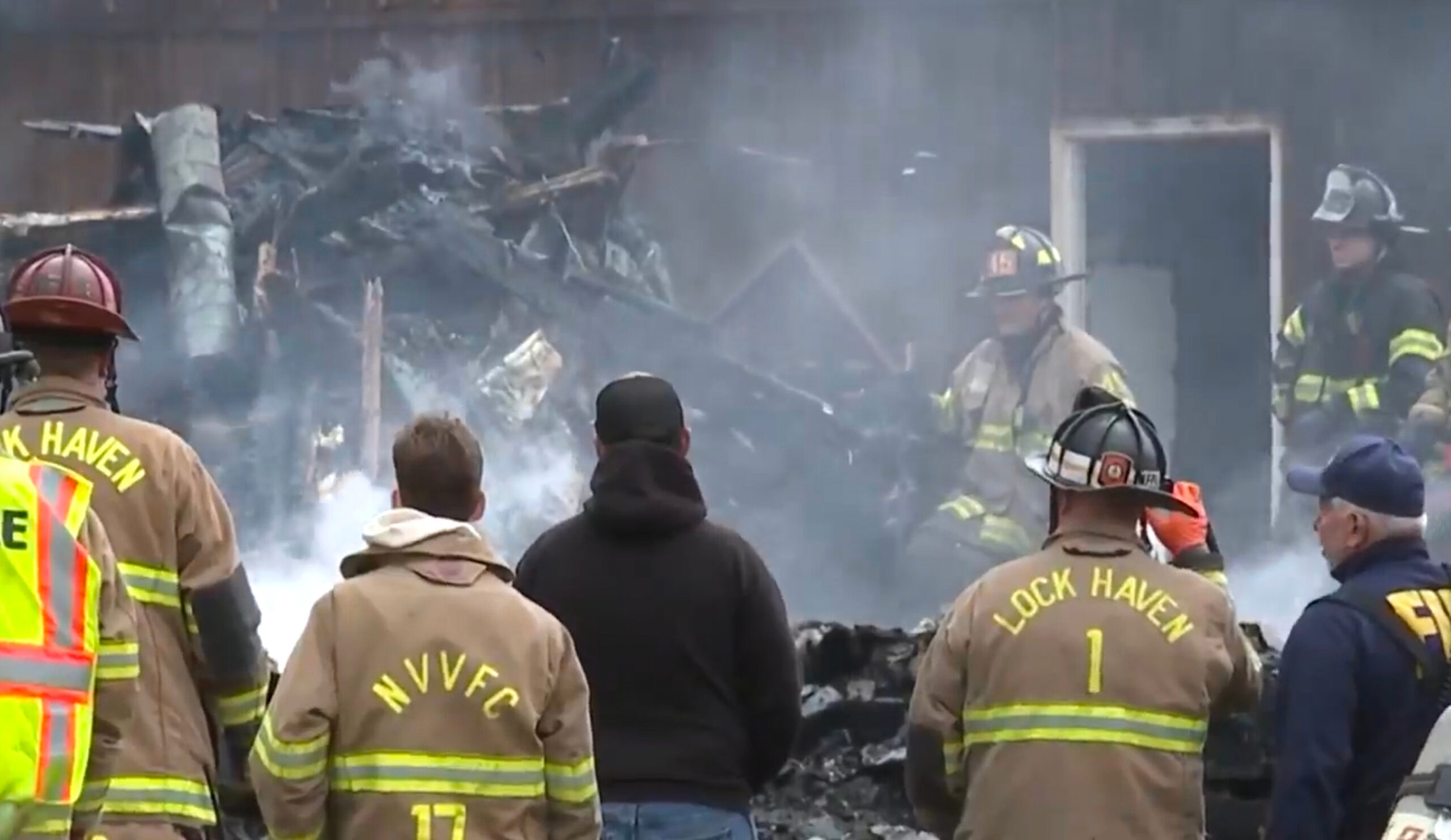
The tragic explosion and subsequent fire in a rural Pennsylvania home involving the loss of seven lives has shifted local focus toward the safety protocols governing residential energy and infrastructure in isolated regions. While the event is localized, it serves as a stark reminder of the risks associated with aging or unregulated utility connections in rural housing stock. The immediate impact centers on emergency response capabilities and the potential for a broader review of residential safety standards in areas that operate outside standard municipal utility grids.
Residential Infrastructure Risks
The incident highlights the vulnerability of homes that rely on independent heating and fuel storage systems. In many rural settings, the lack of centralized oversight for gas lines and fuel storage tanks creates a distinct risk profile compared to urban environments. The explosion, which was reportedly powerful enough to be felt by neighbors, suggests a significant failure in containment or pressure management. This event forces a re-examination of how rural properties are inspected and maintained, particularly as homeowners increasingly utilize older infrastructure to support modern energy needs.
Regulatory and Safety Read-Throughs
Beyond the immediate tragedy, the event raises questions about the intersection of private property autonomy and public safety mandates. Local authorities are now tasked with determining the source of the ignition, which will likely dictate whether this incident leads to localized policy changes or broader mandates for residential safety audits. For sectors involved in home safety equipment, such as fire detection and gas monitoring, this event underscores the necessity of robust, low-power solutions that function independently of traditional electrical grids. The market for residential safety technology often overlooks the specific needs of off-grid or rural populations, yet this incident demonstrates that the failure of such systems carries the highest possible cost.
AlphaScala data currently tracks Agilent Technologies, Inc. (A stock page) with an Alpha Score of 55/100, reflecting a moderate standing within the broader healthcare and analytical instrumentation sector. While this company operates in a different segment of the economy, the broader stock market analysis often emphasizes how analytical precision and safety monitoring technologies are becoming increasingly critical across all residential and industrial applications.
The Path to Investigation
The next concrete marker for this situation will be the findings from the state fire marshal and local utility investigators. Their report will determine if the explosion was the result of a specific equipment failure, a systemic issue with fuel delivery, or a localized maintenance oversight. If investigators identify a recurring fault in the type of equipment used, it could trigger a wave of inspections or voluntary recalls for similar setups across the region. The outcome of this investigation will serve as the primary benchmark for any legislative or regulatory shifts regarding residential safety in rural Pennsylvania.