Indonesia's B50 Biodiesel Mandate Tightens Palm Oil Supply
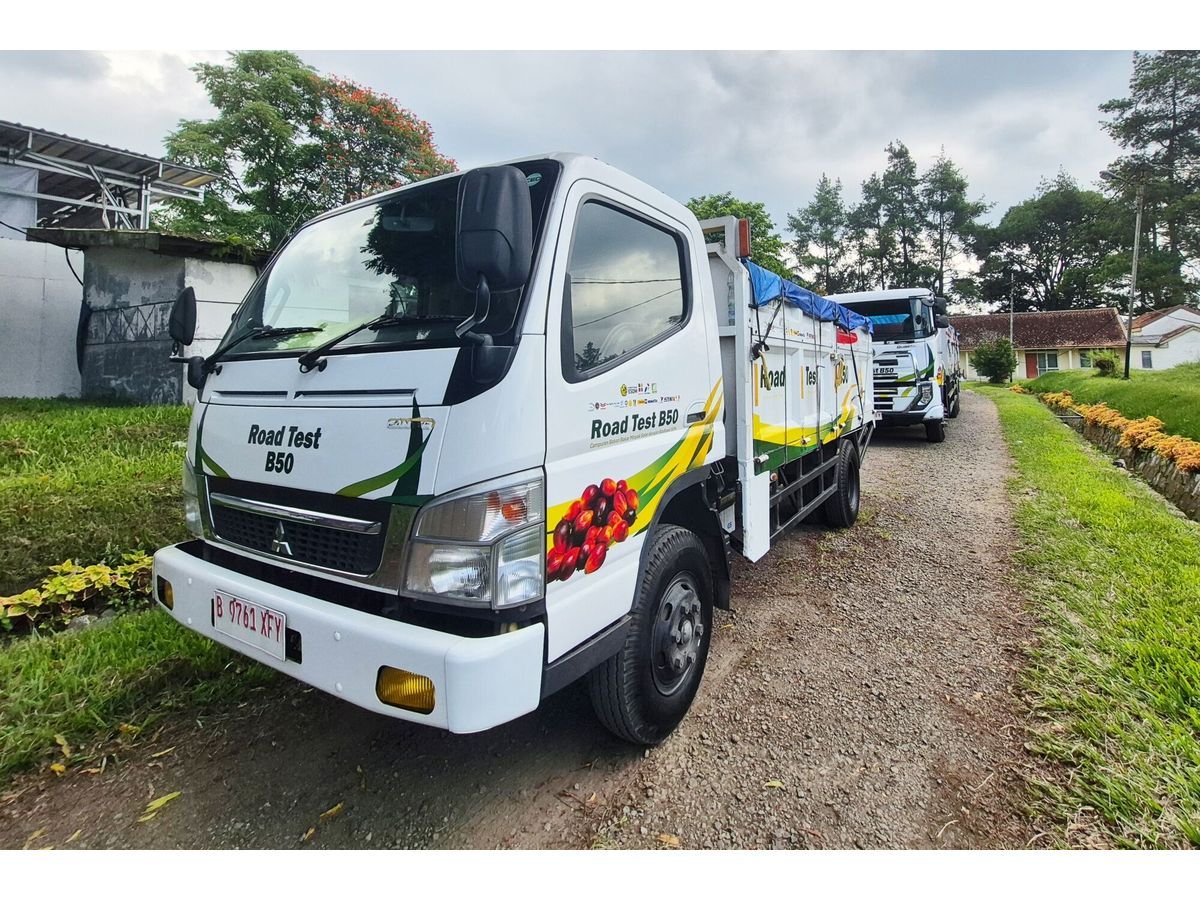
Indonesia's B50 biodiesel mandate will require 15.2-16.3 million tons of crude palm oil this year, tightening export supply and supporting prices. The October deadline for full adoption is the next catalyst.
Indonesia launched its 50% palm-diesel blend on Thursday, a move that redirects more palm oil from export markets into domestic fuel. President Prabowo Subianto announced the B50 mandate at a ceremony east of Jakarta, with more than 3,500 retail stations already selling the blend. The government expects the policy to save about 170 trillion rupiah ($9.4 billion) this year by cutting diesel imports.
“The implementation of B50 is an important milestone for the country in achieving energy self-sufficiency,” Prabowo said. “Don’t stop at B50. B60 if we can.”
The mandate shifts the supply-demand balance for palm oil. Indonesia is the world’s top producer, and the B50 program will require 15.2 million to 16.3 million tons of crude palm oil (CPO) this year, Energy Minister Bahlil Lahadalia said at the ceremony. That is up from 15.65 million kiloliters allocated for the older B40 blend, according to Eniya Listiani Dewi, director general of new and renewable energy at the Ministry of Energy and Mineral Resources. The higher allocation stretches biofuel producers to their limits. Some have expressed concern about sustaining output through next year, with little room for unplanned outages, according to the Bloomberg report.
Production of palm oil has largely plateaued in recent years. Plantation expansion has slowed, and the replacement of old trees lags. The higher domestic allocation leaves less for export, which could support global palm oil prices. Futures in Kuala Lumpur have risen nearly 15% this year, though they slipped 0.3% to 4,596 ringgit a ton on Thursday.
The naive read is straightforward: less palm oil for export, higher prices. The better read requires weighing the constraints on the producer side. Meeting the B50 allocation means biofuel producers must run at elevated output with no buffer for unplanned outages. On the demand side, bullish momentum from energy prices has supported palm oil this week, said Anilkumar Bagani, head of research at Sunvin Group in Mumbai. The same week, weakness in South American soy oil prices and earlier uncertainty around the B50 allocation details worked in the opposite direction.
For a trader looking at this setup, the key variables are production data and the pace of the mandate rollout. Retailers have until Oct. 1 to clear B40 stockpiles and switch fully to B50. More than 3,500 stations, or about 55% of the biodiesel retail network, already sell the blend.
Confirming factors: CPO output holds steady or declines, soy oil prices stay weak, and the government signals a B60 push. Invalidating factors: a surge in CPO production from new areas, a sharp recovery in soy oil that narrows the premium, or a slowdown in biodiesel blending due to producer capacity constraints.
The higher allocation is a structural shift for palm oil supply. The immediate price impact depends on how quickly the export squeeze materializes and whether other oilseed markets fill the gap. The next concrete marker is the October deadline for full B50 adoption and any comments from the energy ministry on allocations for 2026.
Palm oil futures in Kuala Lumpur slipped 0.3% to 4,596 ringgit a ton in late-afternoon trading Thursday.
Drafted by a large language model from the source reporting linked above, then screened by automated publishing checks. It is not read by a journalist before publication. Some articles cite our Alpha Score. Verify prices and figures against the original source. Educational coverage, not personalized advice.