Stocks● Neutral
IndiGo seeks 57% higher borrowing limit to fund fleet expansion
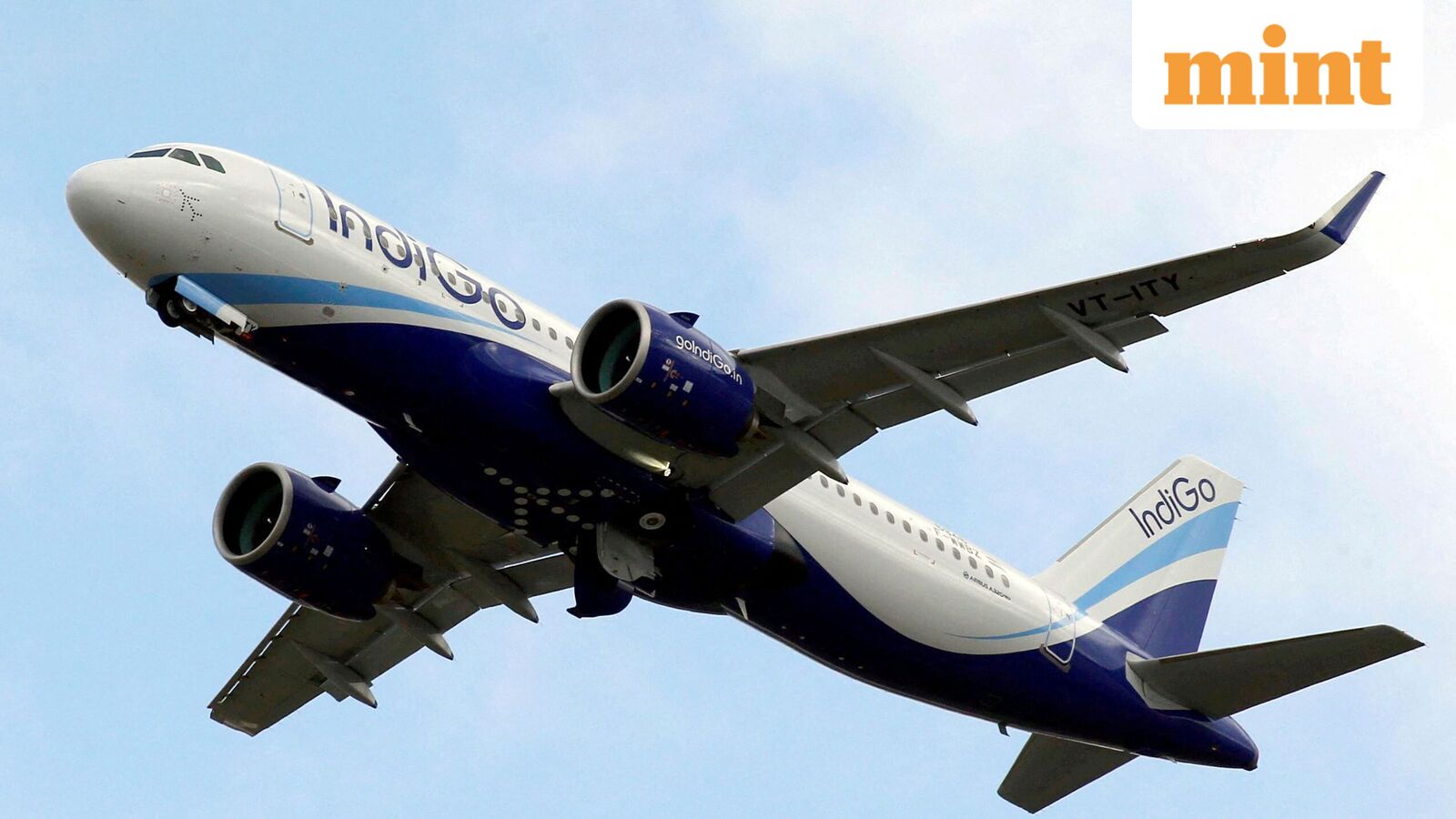
IndiGo is asking shareholders for a 57% increase in its borrowing limit to ₹110,000 crore to fund an order book of roughly 900 planes. The airline faces fuel, airspace, and leadership risks.
Continue with
InterGlobe Aviation, the parent of India’s biggest airline IndiGo, is asking shareholders to approve a 57% increase in its borrowing limit to ₹110,000 crore from ₹70,000 crore. The request, disclosed in the notice for Tuesday’s annual general meeting, is meant to fund one of the largest aircraft order books in global aviation.
The airline expects to exhaust the existing borrowing limit in FY27 and needs the extra ₹40,000 crore by the first half of FY29, the notice said. About 75% of the additional capacity will go toward financing new planes through long-term finance leases. The rest will cover capital expenditure and working capital.
IndiGo ended the 2026 financial year with a fleet of 441 aircraft. Its order book stands at roughly 900 planes, with deliveries spread through 2035. The carrier is targeting nearly 200 million passengers annually, about 3,000 daily departures, and a fleet of more than 550 aircraft by 2030.
“In order to support the steady stream of planned aircraft deliveries through diversified sources of financing and working capital requirements in the coming years,” the company expects to hit its current cap during FY27, the notice said.
By March 31, IndiGo had already drawn sanctioned credit facilities of about ₹66,150 crore, or 95% of the existing limit. Of that, ₹46,190 crore had been utilized: ₹28,850 crore in finance lease liabilities, ₹1,810 crore in working capital borrowings, and ₹15,540 crore in non-fund-based facilities.
Gagan Dixit, senior vice president of oil and gas and aviation at Elara Securities, said the borrowing increase fits IndiGo’s target of owning or financing 40% of its fleet. “It is well capitalized and does not require borrowings for day-to-day operations,” he added.
IndiGo is not alone in pushing for more debt headroom. Tata Group’s low-cost carrier Air India Express raised its borrowing limit by 25% to ₹17,500 crore, and Akasa Air more than tripled its cap to ₹3,950 crore.