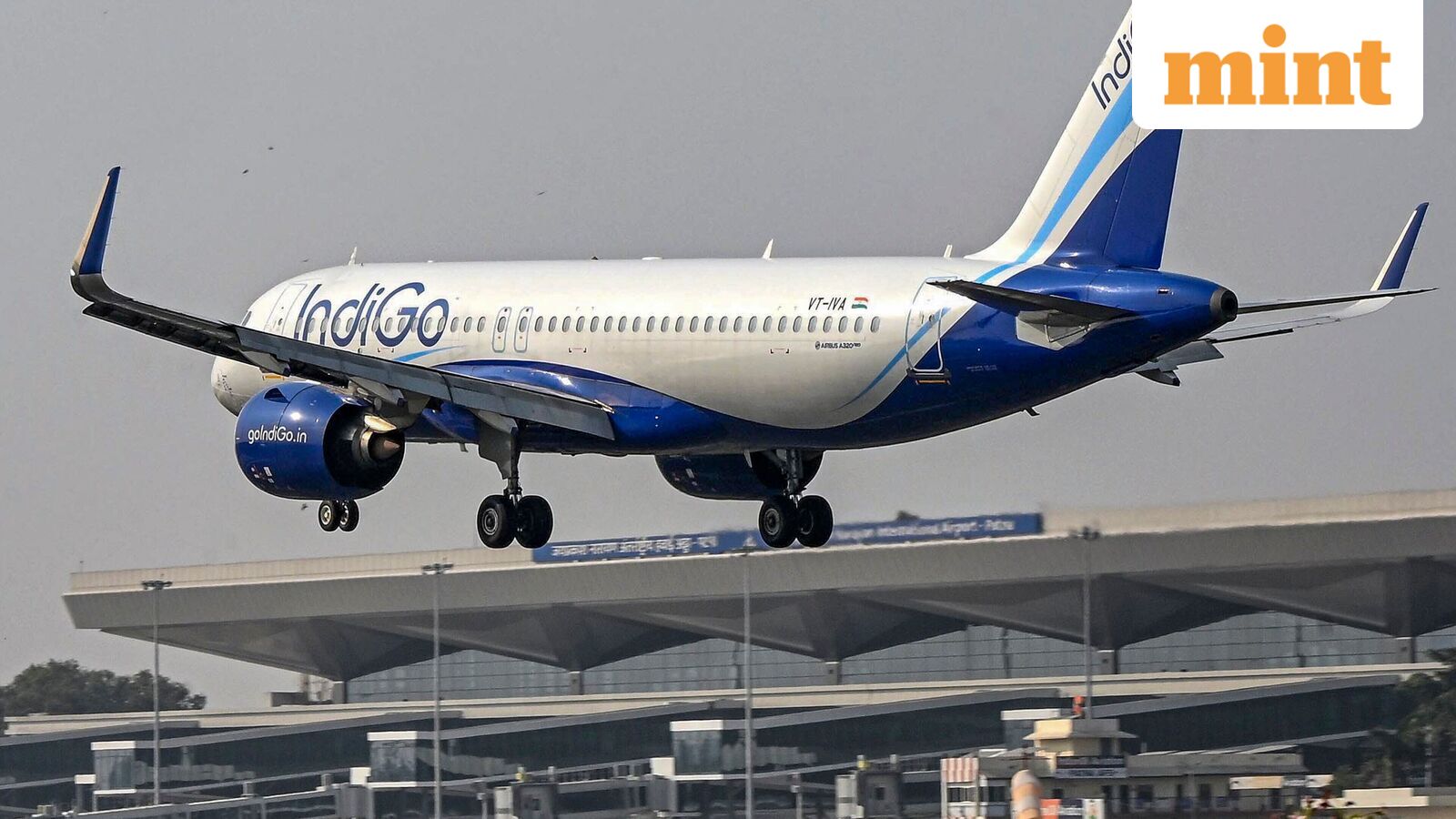
IndiGo has doubled the share of its fleet that is owned or held under finance leases to roughly 20% since September 2024, reaching about half of its 30-40% target for 2030. The move helps cushion India's largest airline against the 13.64% depreciation of the Indian rupee between June 2025 and March 2026.
As of March 2026, IndiGo owned 36 aircraft outright and held another 53 under finance leases, up from three owned planes and 37 finance leases in September 2024. The combined 89 aircraft represent about 20% of the total 441 fleet. "While 36 owned aircraft matches the entire fleet scale of younger players like Akasa, for a carrier like IndiGo, whose operational fleet exceeds 440 aircraft, this represents only about 8% of total capacity," said Karan Khanna, lead analyst for hotels, real estate, aviation and small and mid-caps at Ambit Capital.
The Rupee Depreciation Problem
Standard operating leases are denominated in US dollars. Airlines that keep most of their fleet on such leases face rising rupee expenses each time the domestic currency weakens. IndiGo posted a loss in at least three of the last seven quarters, two of which were driven largely by currency volatility despite otherwise steady operational performance.
The shift toward fleet ownership acts as what Khanna calls "an effective operational and financial buffer against rupee depreciation." By moving part of its leasing in-house through its GIFT City unit, IndiGo borrows in dollars at better rates and avoids sudden lease cost increases when the rupee falls.
How the GIFT City structure works
In November 2025, IndiGo announced an $820 million investment in its GIFT City unit to acquire aviation assets. Last month, it approved up to $450 million ( ₹ 4,340 crore) to prepay finance lease obligations to its GIFT City subsidiary, InterGlobe Aviation Financial Services IFSC Pvt Ltd. The unit will use these funds to buy aircraft, engines, and spares, boosting fleet ownership.
"The aircraft ownership strategy of InterGlobe Aviation (IndiGo) through its unit in GIFT City is not exactly a natural hedge against currency swings, it is a structural way to reduce and manage forex exposure," said Jainam Shah, aviation analyst at Equirus Securities. "Instead of depending heavily on foreign lessors, IndiGo is bringing part of the leasing in-house and borrowing in dollars at better rates."
The Shift From Sale-and-Leaseback
IndiGo's dominance for nearly two decades rested on the sale-and-leaseback model. The airline placed large aircraft orders at competitive prices, sold the planes to lessors upon delivery, and leased them back, booking gains reinvested into fleet expansion. The new strategy marks a departure from that approach, though the transition started in earnest only in September 2024.
Finance leases serve as the intermediate step. "The benefit of a finance lease is that you have an option to buy out the aircraft at the end of the lease term. In an operating lease, you are basically returning an asset," Gaurav Negi, chief financial officer, told analysts during an interaction post Q1FY26 results. "We are shifting now (from the operating lease) that we will start owning aircraft and the finance lease approach is the first step towards that."
In the longer term, buying planes outright through the captive leasing unit provides lower-cost financing. Buying is better than leasing, Khanna said.
Currency Hedging Amplified
The fleet ownership strategy complements IndiGo's stepped-up financial hedging. The airline increased its currency hedge target from $1 billion to $3 billion, with $2 billion of exposure covered over a two-to-five-year term.
Since most of IndiGo's ticket revenue is in rupees while many costs remain in dollars, the currency risk does not disappear. "It is just better managed," Shah said.
Near-Term Cost Pressures and Market Share
"Amid elevated cost pressures in 1Q, the Co expects mid-teens unit revenue growth (pricing-led), with initial demand inelasticity enabling some cost pass-through," wrote Jefferies analysts Prateek Kumar and Raghav Malik in a note dated 29 May. "The near-term performance would remain muted, with conditions even tougher for peers."
According to Elara Securities, domestic departures for the industry may fall 6% year-on-year in the next two quarters under the summer schedule 2026. "Capacity cuts by competitors are higher than INDIGO's, creating scope for the company to gain share and preserve pricing power," wrote Gagan Dixit, aviation analyst at Elara Securities.
As of April, IndiGo's market share stood at 65%, up from 63.3% in March. The Air India Group saw its share decline to 24.7% in April from 26.2% in March, according to the Directorate General of Civil Aviation.
The fleet ownership pivot, combined with pricing power from a dominant 65% market share, gives IndiGo a dual buffer against currency risk. The financial hedging covers up to $3 billion of exposure over the medium term, while the in-house leasing structure gradually reduces the proportion of dollar costs that need hedging at all.
Quarterly results will show whether the increased finance lease obligations raise near-term costs, and whether market share gains continue as competitors cut capacity.