Stocks● Neutral
India's youth jobs crisis: Stagnant earnings, poor quality
Youth unemployment in India has fallen, but job quality is poor. Real earnings for young workers grew just 0.85% annually. Returns to education are declining. Protests over exam leaks are a symptom.
Continue with
Recent protests in Delhi over exam leaks have exposed a deeper frustration among India's youth. The education system is dysfunctional, but the anger runs deeper. The job market is failing to provide decent work, even as headline unemployment numbers improve.
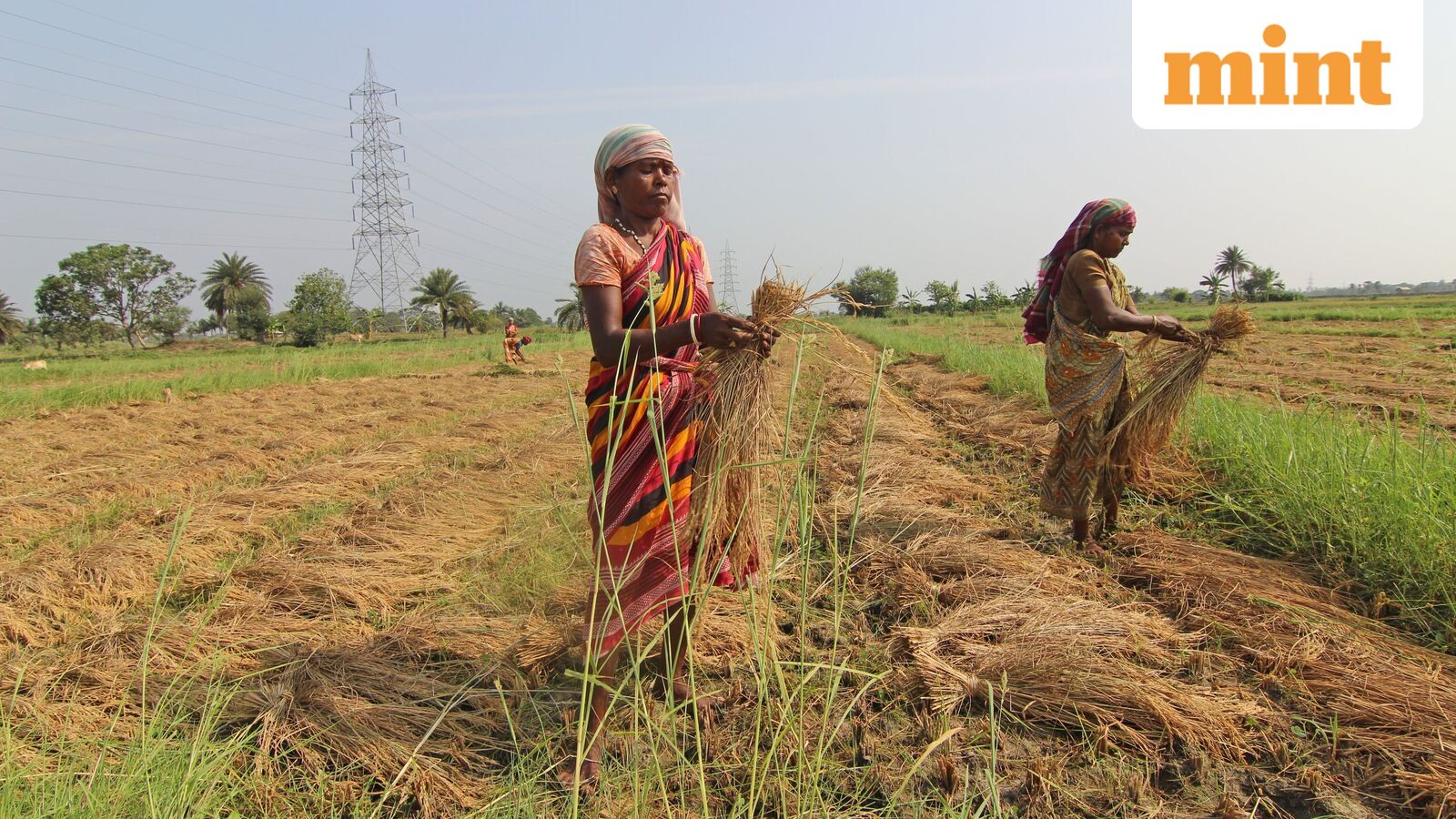
Overall employment measured on a weekly basis has risen from 431 million in 2017-18 to 563 million in 2025, with unemployment rates falling. That improvement is deceptive. Almost all the net gain came from agriculture, driven by women returning to farm work. That is not a sign of structural progress. It is distress pushing people into the only available work.
Himanshu, an associate professor at Jawaharlal Nehru University, wrote in Mint that the real measure of employment is not just holding a job. It is the quality of that job. Most self-employment and casual work in India offers no security of tenure, no social security, and no living wage. Even regular jobs often lack those protections.
Youth unemployment has fallen. The rate among 18- to 25-year-olds dropped from 25% to 17% in rural areas and from 28% to 22% in urban areas between 2017-18 and 2025. But only one in four young workers holds a regular job. And those regular jobs pay poorly. Real earnings for young workers in regular employment grew just 0.85% per year from 2011-12 to 2025. Over the same period, India's per-capita income grew more than 4% annually.