Stocks● Neutral
India's UPI hits 10 years: 13,000x jump in transactions
Transaction volume surged from 1.78 crore to over 24,162 crore in a decade. The system now works in 11 countries. Greece and the Maldives are the latest adopters.
Continue with
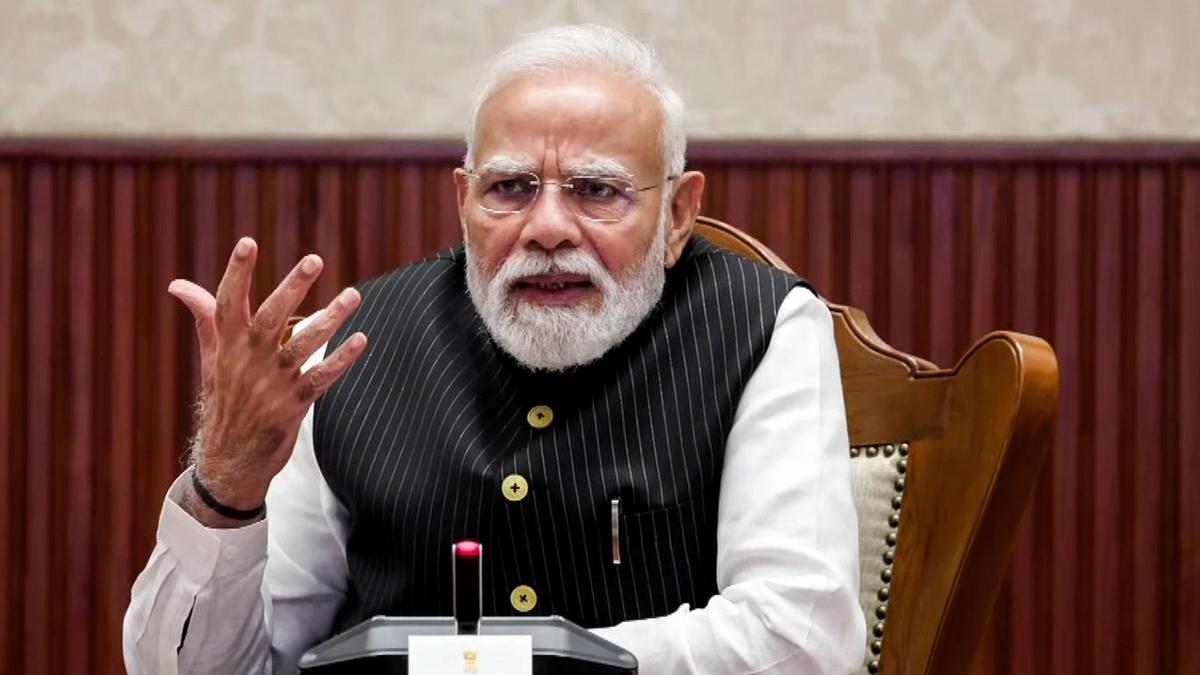
Prime Minister Narendra Modi on Tuesday called the Unified Payments Interface a "major turning point" in India's digital payments story, as the system completed a decade since its public rollout.
UPI launched on August 25, 2016, through the National Payments Corporation of India, under the Reserve Bank of India's oversight. A pilot with 21 member banks ran from April that year. The BHIM app followed in December 2016.
The numbers tell the growth story. Annual transaction volume went from 1.78 crore in the fiscal year ending March 2017 to over 24,162 crore in the year through March 2026 – a near-13,000-fold surge, the Finance Ministry said. Transaction value moved from Rs 0.07 lakh crore to about Rs 314 lakh crore over the same period, a more than 4,000-fold increase.