India's tariff reprieve on Russian oil buys time, not certainty
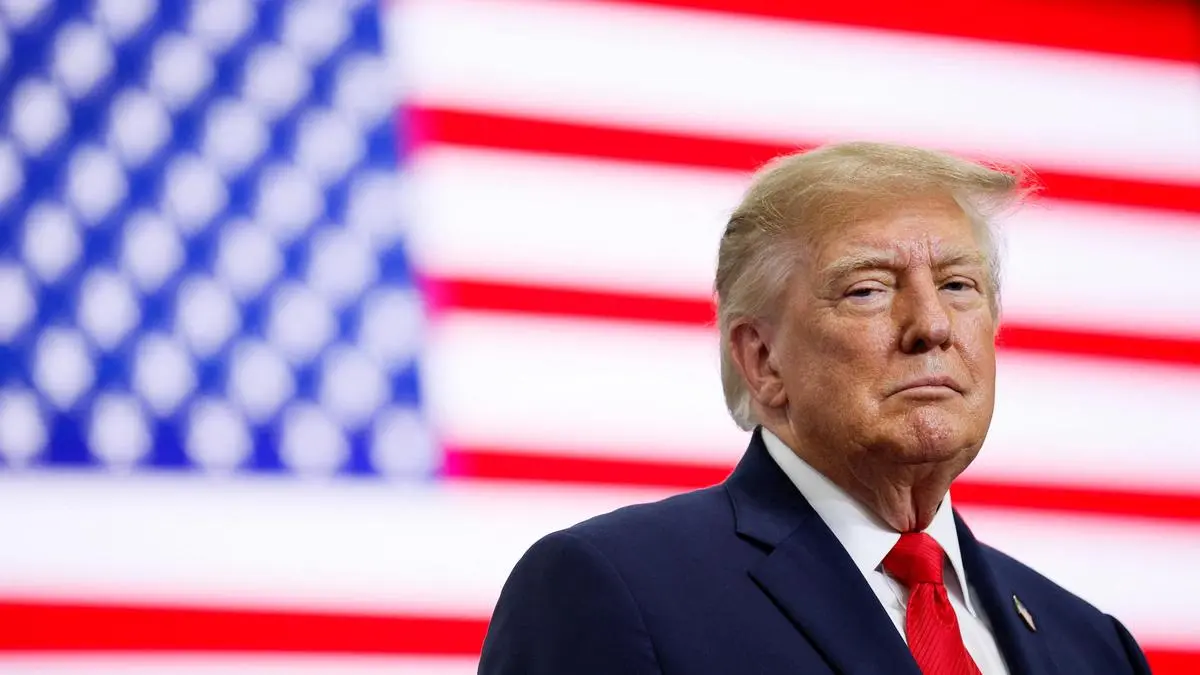
Waiver under SRIA allows Trump to reimpose duties; experts advise India to prepare for renewed pressure. India's Russian oil imports fell to 44% in August.
Alpha Score of 43 reflects weak overall profile with moderate momentum, weak value, weak quality. Based on 3 of 4 signals — score is capped at 90 until remaining data ingests.
President Donald Trump's decision to waive punitive tariffs on countries buying Russian oil and gas gives India temporary relief from the threat of additional duties of up to 100% on its exports to the US. The waiver, issued under the Sanctioning Russia and Iran Act of 2026 (SRIA), does not repeal the law, leaving Washington free to reimpose the penalties, trade experts said.
New Delhi's position on sourcing crude from Moscow remains guided by national interest and energy security, a source tracking the matter told businessline. Indian officials had been in discussions with US counterparts over the waiver and there was optimism it would happen after Trump struck a diesel deal with Russia, the source said.
Ajay Srivastava of the Global Trade Research Initiative (GTRI) said the waiver buys time to negotiate a bilateral trade agreement but offers no lasting certainty. "India should protect its energy security, buy oil on commercial terms and prepare for renewed US pressure. Temporary tariff relief is no basis for permanent trade concessions," he said.
Trump signed the executive order on October 16, waiving duties and several sanctions provisions under SRIA, which he signed into law on September 18. The order had provided for a 100% increase in duties on goods from the five largest importers of Russian crude and natural gas if they made new purchases from October 18, and a 500% increase on Russian goods for the five largest facilitators of sanctions evasion. The waiver uses Section 115 of the law, certifying to Congress it is in the US national interest.
Despite the waiver, India has been reducing its reliance on Russian oil. Russian crude's share of Indian imports fell to 44% in August from 51% in July, as New Delhi bought more from the US and the UAE, the source said.
Srivastava noted that China already has protection from US tariff increases until January 10 under the same law. "The message is clear: US interests determine when penalties apply, while the ability to retaliate helps secure protection. China can push back. India risks repeated pressure unless it demonstrates that coercion carries a cost," he said.
Drafted by a large language model from the source reporting linked above, then screened by automated publishing checks. It is not read by a journalist before publication. Some articles cite our Alpha Score. Verify prices and figures against the original source. Educational coverage, not personalized advice.