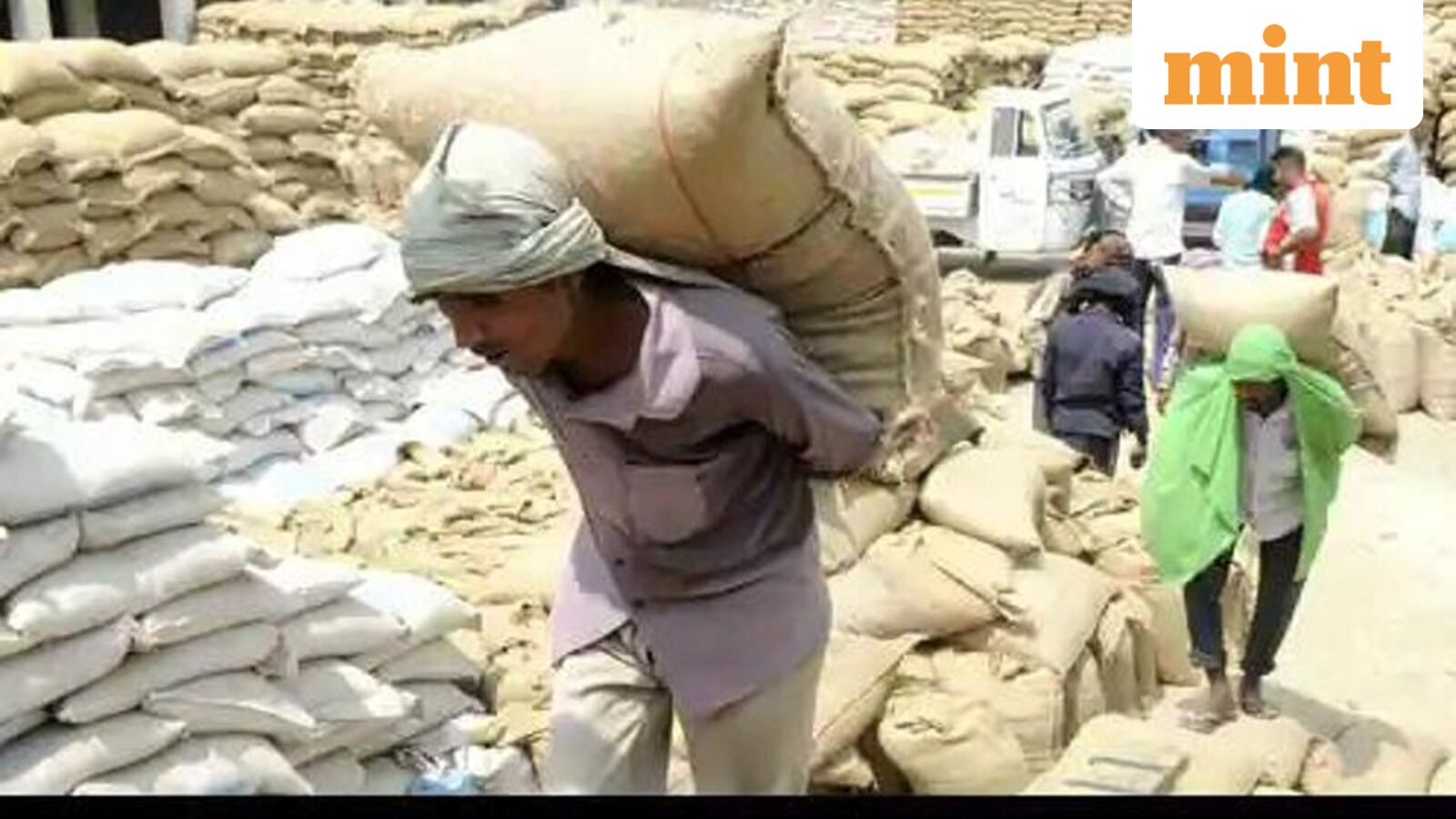
India’s foodgrain reserves have climbed to 60.48 million tonnes, creating a significant logistical and fiscal challenge for the national supply chain. This accumulation of surplus inventory shifts the narrative from food security concerns to the operational efficiency of storage management and the economic viability of maintaining such large stockpiles.
Operational Pressures on Storage Infrastructure
The sheer volume of grain currently held in government facilities introduces immediate risks regarding storage costs and potential spoilage. When reserves exceed optimal thresholds, the financial burden of maintenance increases, and the risk of wastage rises due to limited climate-controlled capacity. This situation necessitates a shift in how the state manages its inventory, moving away from passive holding toward active distribution or liquidation strategies.
Managing these stocks effectively requires balancing the need for domestic price stability against the costs of physical storage. If the current surplus remains stagnant, the fiscal impact on the agricultural budget will likely grow, potentially limiting the resources available for future procurement cycles or infrastructure improvements. The current inventory levels include several key components:
- Wheat and rice stocks exceeding standard buffer requirements.
- Increased reliance on centralized storage facilities that are nearing maximum capacity.
- Rising maintenance costs associated with long-term grain preservation.
Export Potential and Price Stabilization
Proactive offloading of these surplus stocks through international markets presents a viable pathway to mitigate domestic storage pressures. By increasing the flow of grain into global trade, India could simultaneously support domestic farmers by clearing space for future harvests and contribute to the stabilization of global food prices. This approach links domestic agricultural policy directly to international commodity market dynamics.
However, the decision to export requires a delicate calibration of domestic supply. Policymakers must ensure that any reduction in reserves does not compromise local availability or trigger inflationary pressure on staple food prices. The transition from a strategy of accumulation to one of active management will be the primary determinant of whether this surplus becomes an economic asset or a fiscal liability.
Strategic Outlook for Agricultural Commodities
Investors and stakeholders in the broader agricultural sector should monitor upcoming policy announcements regarding export quotas and procurement targets. These markers will indicate whether the government intends to prioritize inventory reduction or maintain higher reserves as a hedge against future supply chain volatility. The resolution of this surplus will serve as a bellwether for the government's approach to balancing fiscal discipline with food security mandates.
For those tracking broader market trends, the interplay between government stockpiles and commodity pricing remains a critical area of stock market analysis. As the government navigates these storage constraints, the focus will shift to the next procurement window and whether current infrastructure can accommodate new arrivals without further increasing waste. The next concrete marker will be the release of updated export guidelines, which will clarify the government's appetite for reducing these record-level reserves.