Stocks● Neutral
India's space startups hit 440 as private rocket launches near
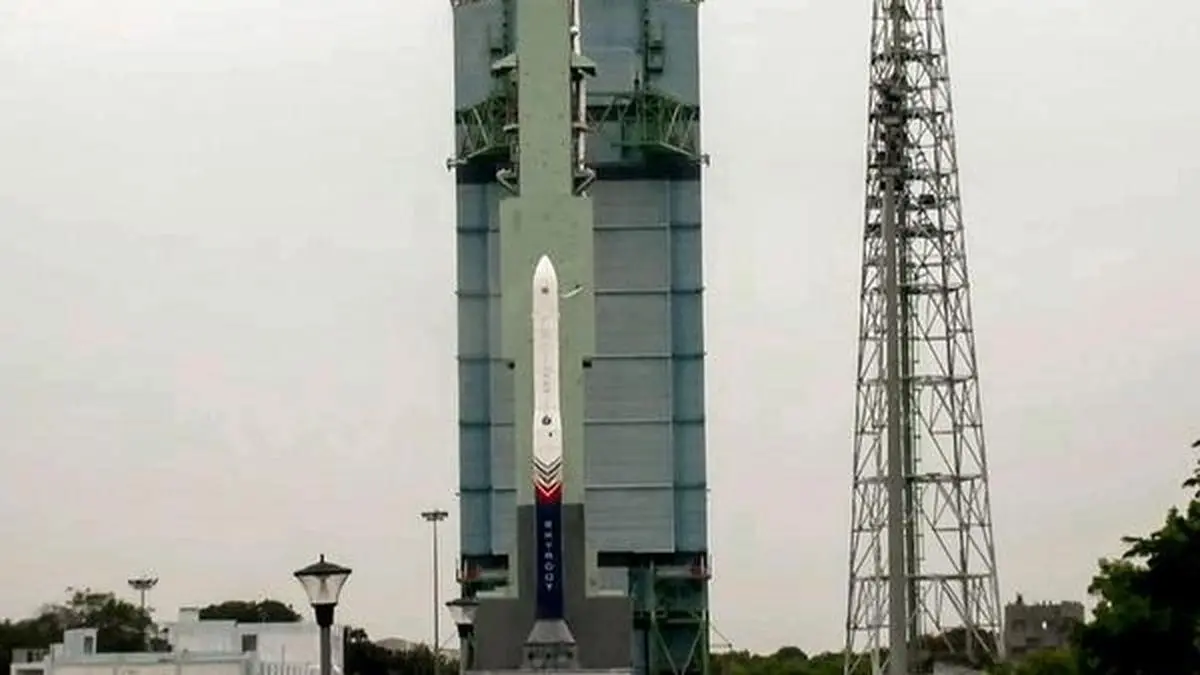
India's space startup count reached 440, with 18 private firms cleared for launches. Two commercial rockets are due in FY26-27. Private investment hit $618.5 million by March 2026.
Continue with
India has roughly 440 space technology startups registered on the DPIIT Start-up India portal, the government told parliament this week. Minister of State for Atomic Energy and Space Dr Jitendra Singh said the Indian National Space Promotion and Authorisation Centre (IN-SPACe) has granted 113 authorisations to 52 non-government entities, 18 of them startups, for satellite operations, payload establishment and launch services.
The 18 authorised startups include Agnikul Cosmos, Skyroot Aerospace, PixxelSpace India, Dhruva Space, Bellatrix Aerospace and GalaxEye Space Solutions, among others. Two commercial rockets are scheduled for launch by Indian private companies in FY 26-27, Singh said. For FY 27-28, the manifest is still pending IN-SPACe approval, though the minister said over six launches could be undertaken by private firms.
Private investment in India's space sector surged nearly six-fold, from $100.5 million in 2021-22 to $618.5 million by March 31, 2026, with $187 million recorded in 2026 alone. The government opened the space sector to private participation in June 2020 and created IN-SPACe as a single-window clearance agency under the Department of Space.