Stocks● Neutral
India's rocket launch costs highest among six major markets
India's rocket launch costs are $13,302 per kg, the highest among six major markets and four times the US level. The paper says small rockets and limited frequency are the cause.
Continue with
India's satellite launch costs ran $13,302 per kilogram at the end of 2025, the highest among six markets capable of launching rockets, according to a peer-reviewed paper published in the September edition of Economics Letters. The US figure was $3,225 per kg, or roughly one-fourth the Indian level. Europe was the next most expensive at $9,897 per kg. India also priced above Russia, China and Japan.
The costs reflect launches coordinated by NewSpace India Ltd, the commercial arm of the Indian Space Research Organisation, using ISRO rockets. The findings undercut one of India's biggest selling points in space: the reputation for frugal missions. The government has targeted capturing up to 8% of the global space market, as of December 2025. Competitive rocket prices are central to that goal.
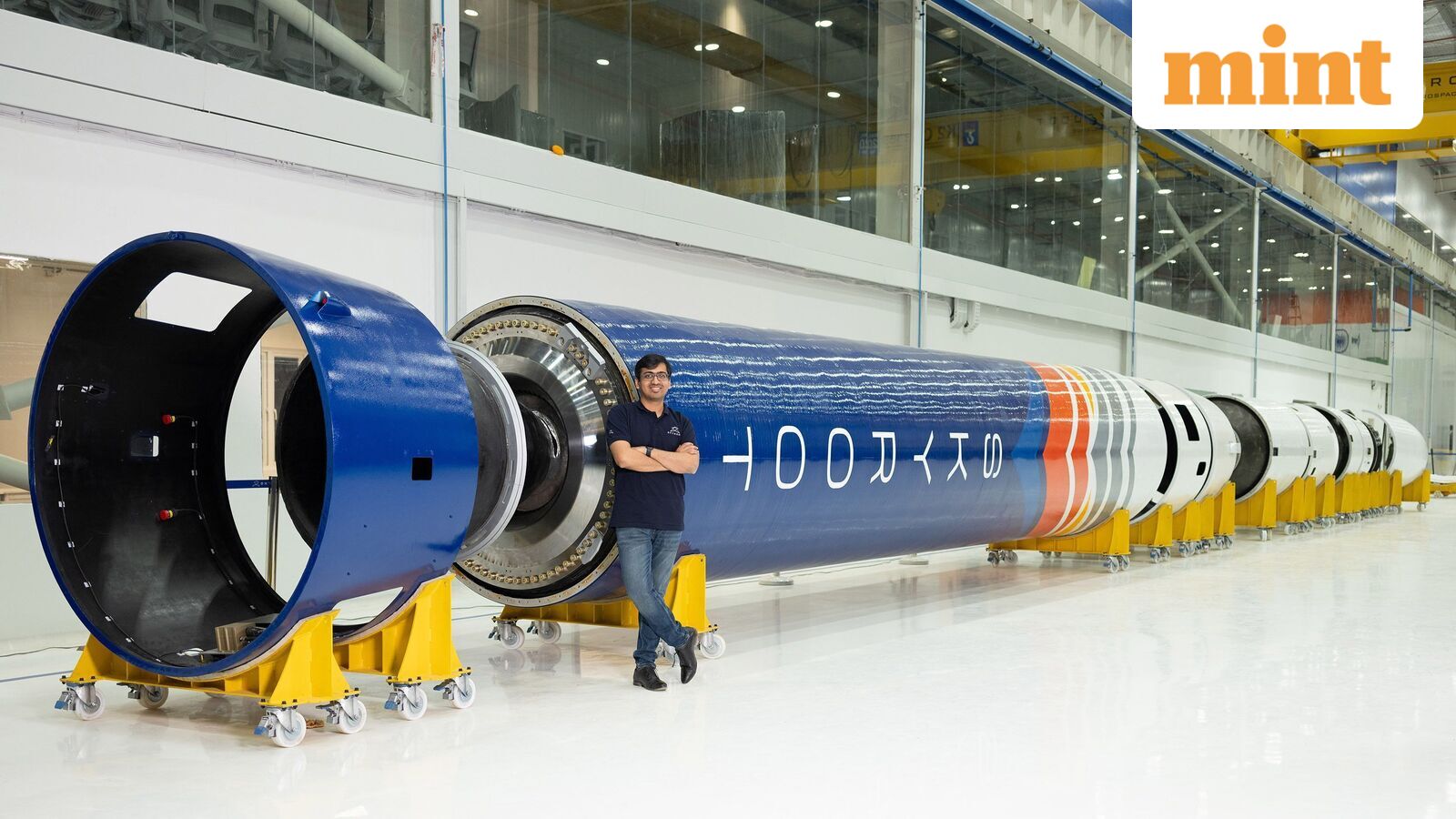
India's first private commercial rocket launch, by Skyroot Aerospace on July 18, was a milestone. Skyroot's CEO Pawan Kumar Chandana told Mint in October 2025 that the company expects to earn at least $4 million per launch of its Vikram-1 rocket. At peak capacity of 350 kg to low-earth orbit, that would average roughly $11,000 per kg, still above the US level.
"The very high figure for India might be counterintuitive as it stands in stark contrast with the narrative of the country's frugal space programme," the paper by Cambridge University economist Alessio Terzi and Politecnico Institute of Turin economist Francesco Nicoli said. "This is a result of focusing on small rocket sizes, which implies that, albeit being low by international standards, fixed costs get amortised over a limited payload."