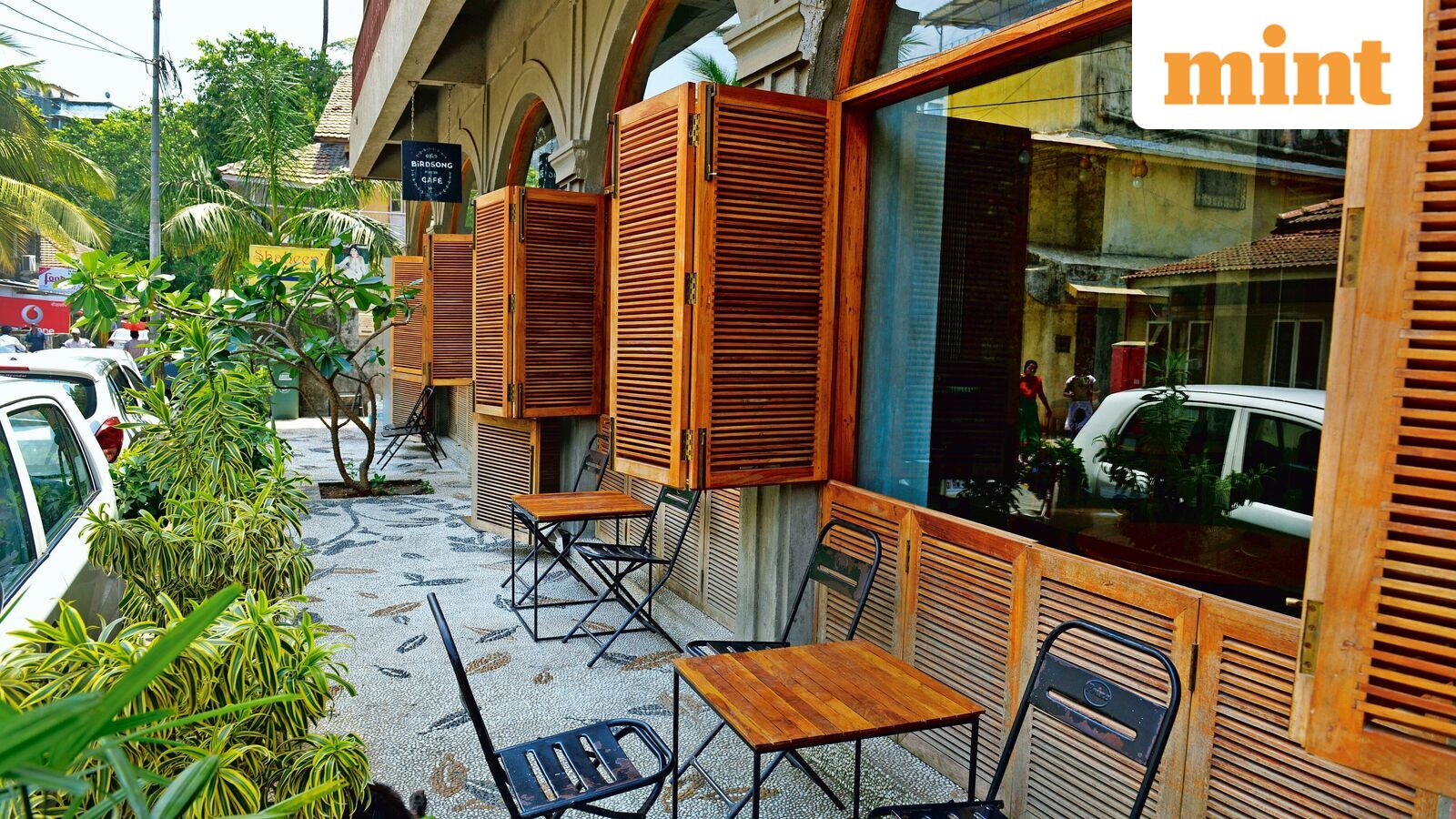
Ben's Cookies opened its first Delhi store in June. The British brand chose Meherchand Market on Lodhi Road, a compact retail lane known for designer labels, over Khan Market, the city's busiest retail destination.
That choice reflects a broader shift across urban India. Bigger companies are opening "city stores" rather than one large destination bet. Some stay inside malls. Others step onto less frequented high streets and residential lanes. A few move into new retail pockets around fresh developer projects.
The common thread is not the address. It's proximity, walkability and repeat consumption.
Rising rents, dense catchments and difficult commutes are reshaping consumer behaviour, forcing retailers to rethink where and how they operate, said Sanskriti Gupta of Ben's Cookies India. The brand is looking at premium high streets and neighbourhood catchments with strong consumer fit and footfall, she said. For takeaway-led formats, such locations also offer convenience and let brands become part of consumers' everyday routines.
IKEA, which typically runs one or two flagship stores per city with its full range, is adding smaller micro-market formats tailored to each cluster's "life at home" needs. In July, it opened a smaller store in Delhi's DLF Avenue mall. The strategy is localised too. A Mumbai room set is built around homes closer to 500 square feet with multifunctional furniture such as sofa-cum-beds, different from what a South Delhi or West Delhi customer would see, said Pooja Grover, country manager of IKEA India.
Mumbai has its own version of the trend. Cafe chain Boojee Cafe has shunned traditional commercial markets for residential lanes in Bandra West, betting on neighbourhood footfall rather than a market's pull. Thakur Village and Borivali West are also emerging as new hubs for restaurant brands, with large, premium gated communities.
Harminder Sahni, chairman and managing director of retail consultancy Wazir Advisors, said consumers are no longer willing to travel an hour or more to shop. The original appeal of destination retail has faded. "Convenience is now shaping purchase decisions," he said. "E-commerce and quick commerce and local stores are dominating, and so retailers will have to lean on smaller formats."
Luxury retail is watching closely. Aditya Birla Fashion and Retail Ltd, which runs Galeries Lafayette in India, is weighing smaller city-format stores closer to affluent pockets instead of betting on large flagships, said Sathyajit Radhakrishnan, chief executive of international brands at ABFRL. Traffic and the clustering of affluent buyers in specific pockets make micro-markets impossible to ignore, he said.
The shift is also a real estate math problem. Few developers have the scale to build very large shopping centres. Soaring land and construction costs have made new malls upwards of 500,000 square feet increasingly hard to pull off, said Anuj Kejriwal, founding partner and CEO of retail at Anarock. Developers are favouring open-air, low-rise high streets and neighbourhood strips over capital-heavy malls. High streets and small-format retail now account for roughly 60% of annual organised retail leasing across top cities, he said.
Micro-markets span the National Capital Region's Golf Course Extension Road and Dwarka Expressway, Bengaluru's ORR-Whitefield-Sarjapur belt, the Mumbai Metropolitan Region's Thane and suburbs, and tier-II hubs such as Indore, Jaipur and Lucknow. Food and beverage, quick-service restaurants and direct-to-consumer brands are driving demand for 500-10,000 square foot formats.
Grade A high streets command ₹200-500 a square foot a month (₹800-plus in Khan Market or Linking Road) against ₹200-400-plus in Grade A malls. High streets offer little to no common area maintenance or revenue share, giving them a structural cost edge over mall leases.
Pushpa Bector, group executive director and business head at DLF Retail, said convenience and experience need to be balanced. Shoppers want proximity, she said, and they haven't given up on quality or a relevant brand mix. They just want it closer to home. DLF launched its Midtown Plaza in West Delhi's Moti Nagar this month, bundling shopping, dining, entertainment, wellness and everyday services for a local catchment not inclined to drive to a destination mall for routine visits. The same logic applies to its Summit Plaza in Gurugram's DLF5.
Nausheen Tareen, co-founder of Delhi-based QSR chain Nubo, said it took nearly a year to find its first location. The company ruled out malls and IT parks, wanting high-street visibility without four other food brands cannibalising footfall. Greater Kailash-II offered 1,000 square feet at ₹7-9 lakh, too steep for an unproven concept. Nubo settled on a busy Hauz Khas main road with a strong residential catchment, outside any food cluster: a five to ten minute grab-and-go meal. The rent math sealed it. Prime addresses run ₹7-9 lakh a month, compared with ₹3-5 lakh in Hauz Khas. With that proof banked, Nubo will add stores in other neighbourhood locations before expanding to Bengaluru and Mumbai.