Commodities● Neutral
India's PSU Oil Firms Prove Their Worth in Every Crisis
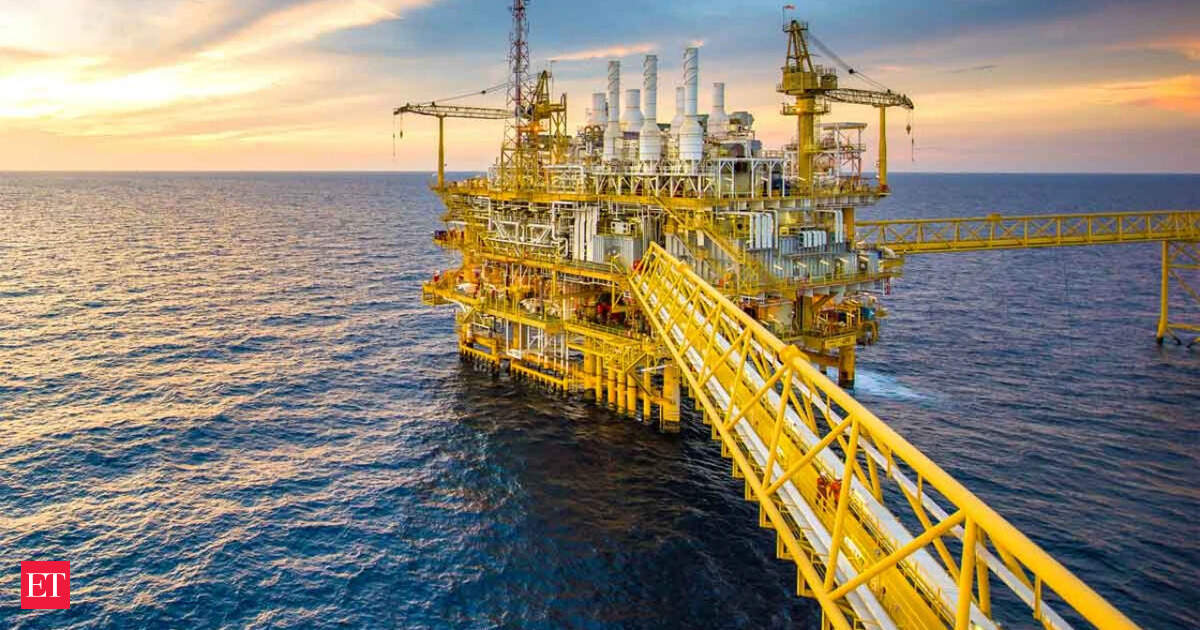
Every crisis, from floods to pandemics, shows the same thing: state-run oil companies are the backbone of India's fuel supply. Privatisation debates miss the point.
Continue with
India’s state-run oil companies have cemented their role as crisis responders. Floods, the pandemic and seasonal cyclones all triggered the same pattern: private fuel retailers pulled back on capex or rationed supply to protect margins, while the public-sector networks kept pumping diesel and petrol into remote villages.
Indian Oil and Bharat Petroleum operate thousands of retail outlets where no private player sees a business case. They carry inventory costs when demand plunges and absorb rupee volatility that would stress a smaller balance sheet. The pandemic was the cleanest test. Private volumes collapsed 30-40%. The PSU supply chains barely paused.
The recurring pattern forces a question that privatisation debates tend to skip. Private operators run leaner stations and invest faster in automation. That efficiency is the wrong frame when a cyclone wipes out a coastal depot. The state company is the only one with an emergency stockpile mandate. The system pays for that insurance somewhere. It shows up in higher retail prices on normal days or through the government’s implicit guarantee on PSU borrowing.