India's new rural job law offers 125 days of work per household, up from 100, but lets states suspend the guarantee for 60 days during harvest. The trade-off between welfare and farm labour supply will test the safety net.
India's rural employment guarantee just got a new name and a new set of rules. The Viksit Bharat-Guarantee for Rozgar and Ajeevika Mission (Gramin), or VB-G RAM G, took effect this month, replacing the two-decade-old MGNREGA. The headline change: 125 days of paid work per household per year, up from 100.
That extra 25 days got most of the attention when the law passed. Supporters pointed to the shift toward funding useful public projects – water security, rural infrastructure, climate resilience – rather than just cutting wage cheques. The government called it a more purposeful programme.
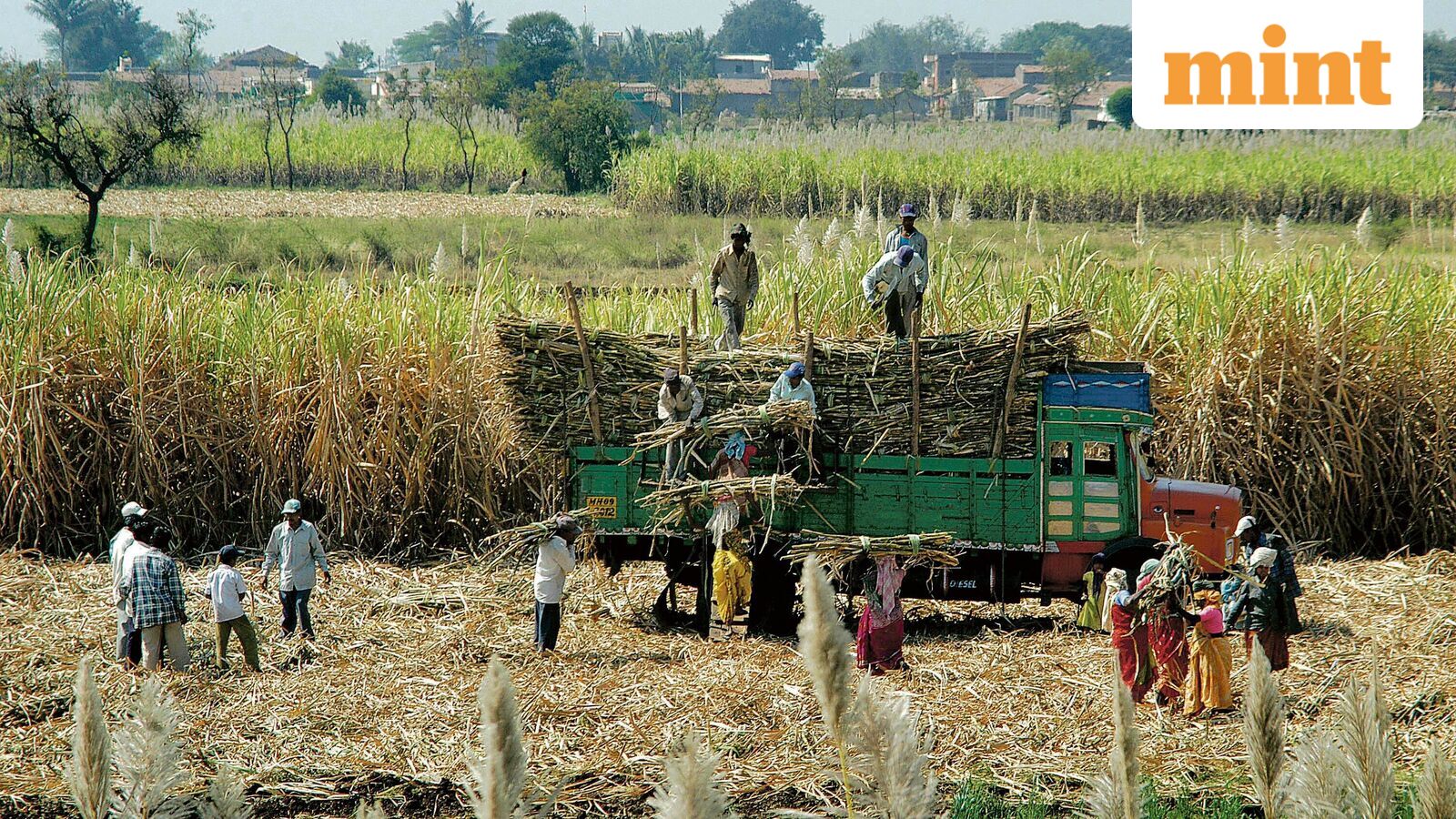
Critics focused on what the fine print took away. The new law lets states suspend the job guarantee for 60 days each year, typically during the harvest season when farm labour demand peaks. Under the old scheme, MGNREGA wages effectively set a floor for what farm workers would accept, pushing up costs for employers. The 60-day break tilts that balance back toward farmers.
That suspension cuts against the core idea of a demand-driven safety net. A family that needs work in those 60 days has no claim. An extra 25 days spread across the year does not fill a two-month gap when cash is tightest.
The bigger structural change is fiscal. States now bear 40% of the wage burden, or 10% in some cases, and must fund any employment above the budgeted allocation. The old model was fully Centre-funded. The logic is accountability – states that pay for waste will waste less. The risk is that states with weak finances simply stop offering jobs when the money runs out.
Other tweaks are straightforward improvements. Biometric verification should cut payment leakages. Geospatial planning tools let officials map and track work projects. Both are overdue.
What the new scheme does not address is the slow pace of regular job creation. The rural guarantee was always a backstop, not a solution. With the kharif harvest facing rainfall deficits this year, that backstop may be needed more than usual – just as the 60-day suspension takes effect.
The broader question the law raises is whether India should universalise its job guarantee rather than limit it. Urban poverty is at least as visible as rural distress, and the country's cities have no shortage of work that needs doing. The new law does not touch that question. It narrows the scheme's focus to rural development outcomes, which is a different goal from income support.
For now, the test is whether the 125-day promise survives the 60-day gap and the state-level budget squeeze. The next few months, with a weak monsoon and a new set of rules, will show which side of the trade-off wins.
Prepared with AlphaScala editorial tooling from the source reporting linked above. Indexable analysis may include a cited Alpha Score value. Publishing checks screen each story before release. Educational coverage, not personalized advice.