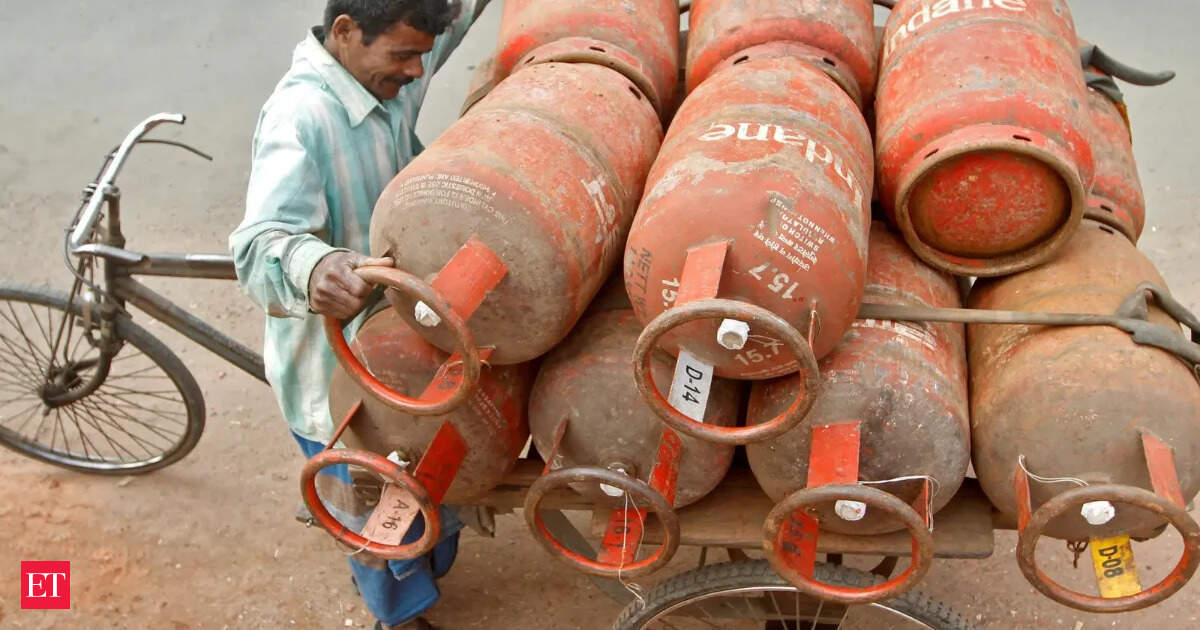
India’s energy sector faces a structural shift as the potential for a 20 percent dimethyl ether (DME) blend into liquefied petroleum gas (LPG) gains regulatory support. The Bureau of Indian Standards has cleared the path for this integration, which aims to reduce reliance on imported fuels. By substituting 6.3 million tonnes of LPG annually with domestically produced DME, the country targets a reduction in foreign exchange outflows of approximately USD 4 billion.
Domestic Production and Coal Gasification Potential
The viability of this transition rests on the expansion of domestic coal gasification capacity. While current production levels of DME remain insufficient to meet the proposed blending mandate, the regulatory approval provides a foundation for capital allocation toward new infrastructure. The shift effectively links the domestic coal supply chain to the household energy market, creating a new industrial demand profile for coal gasification projects.
This policy alignment is intended to incentivize private and public sector investment in gasification plants. The economic rationale centers on the ability to leverage domestic coal resources to offset the high costs associated with importing refined LPG. If successfully scaled, this strategy could fundamentally alter the cost structure of the nation’s cooking fuel supply chain.
Sectoral Impact and Resource Allocation
The move toward DME integration impacts the broader basic materials landscape, where firms involved in coal processing and energy infrastructure may see shifts in their operational priorities. Companies operating in these segments are currently navigating varying levels of market sentiment. For instance, MT stock page currently holds an Alpha Score of 74, while RS stock page maintains a score of 44, reflecting the diverse risk profiles within the basic materials sector.
Investors should monitor the following developments as the government moves toward implementation:
- The release of specific fiscal incentives for coal gasification plant construction.
- Updates on the timeline for mandatory blending thresholds at the retail level.
- Progress reports on the pilot programs for DME-LPG distribution networks.
The Path to Implementation
The transition from regulatory approval to market-wide adoption requires significant logistical adjustments. The compatibility of existing storage and distribution infrastructure with DME-blended fuel remains a key technical hurdle. Furthermore, the pricing mechanism for coal-derived DME will need to be competitive against global LPG benchmarks to ensure the projected savings are realized.
As the policy framework matures, the next concrete marker will be the announcement of specific tender processes for coal gasification projects. These tenders will provide the first real-world indication of the capital expenditure commitment from major energy players. The success of this initiative will ultimately depend on whether the domestic production cost of DME can remain stable enough to provide a consistent alternative to imported LPG, thereby insulating the national balance sheet from global energy price volatility.