Commodities● Neutral
India's gold recycling push gains traction as prices hit records
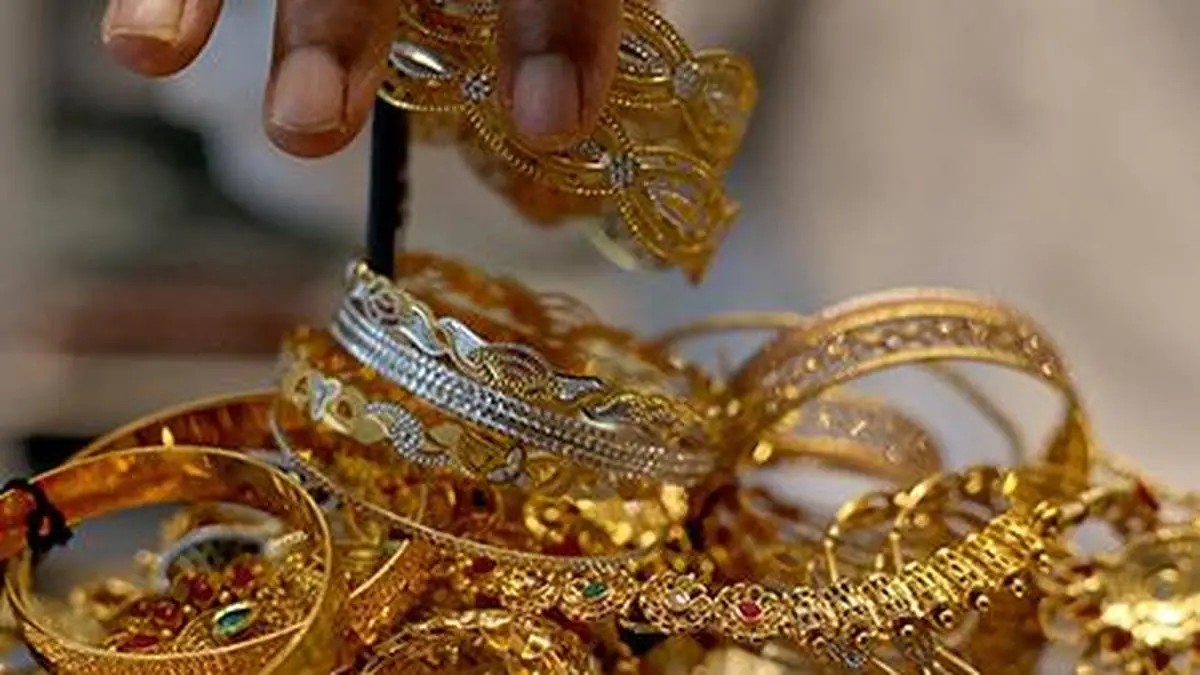
As gold prices hit records and imports stay high, India looks to recycle household gold. A revamped monetisation scheme could turn idle metal into an active asset.
Continue with
Indian Prime Minister Narendra Modi's suggestion that citizens avoid buying gold for a year has sharpened the debate over how the country can make better use of its own gold holdings. The call comes with gold prices at record highs and India still heavily dependent on imports. The focus is shifting from acquiring new metal to getting more value out of what already sits in households and lockers.
Recycling gold is gaining traction because, unlike many materials, the metal can be melted and reused without any loss of purity. It can, in effect, be recycled indefinitely, letting consumers turn old jewellery into new products or cash. That efficiency is becoming more relevant as prices climb.
The push is being driven by a mix of economic, consumer, and sustainability factors. As India looks to build a more resource-efficient gold ecosystem, recycling offers benefits that go beyond the jewellery trade, supporters say.
Consumer behaviour is already shifting. More individuals are trading in old jewellery or using gold in monetary transactions rather than buying new pieces, according to industry observers. A passive asset is turning into an active one as people seek financial gain from holdings that previously sat idle.
India is one of the world's top gold importers, which exposes it to price swings and supply disruptions. Recycling the same metal back into production reduces that import dependence, helping the economy run more smoothly, analysts note.
Indian households hold one of the largest private stocks of gold globally, much of it locked away for years. A structured recycling ecosystem could unlock that dormant wealth and bring idle assets back into productive use, the thinking goes. Monetisation frameworks could also let consumers derive value from gold without selling it outright, creating a more dynamic gold economy.