Stocks● Neutral
India's Gen Z protest topples education minister after 26-day fast
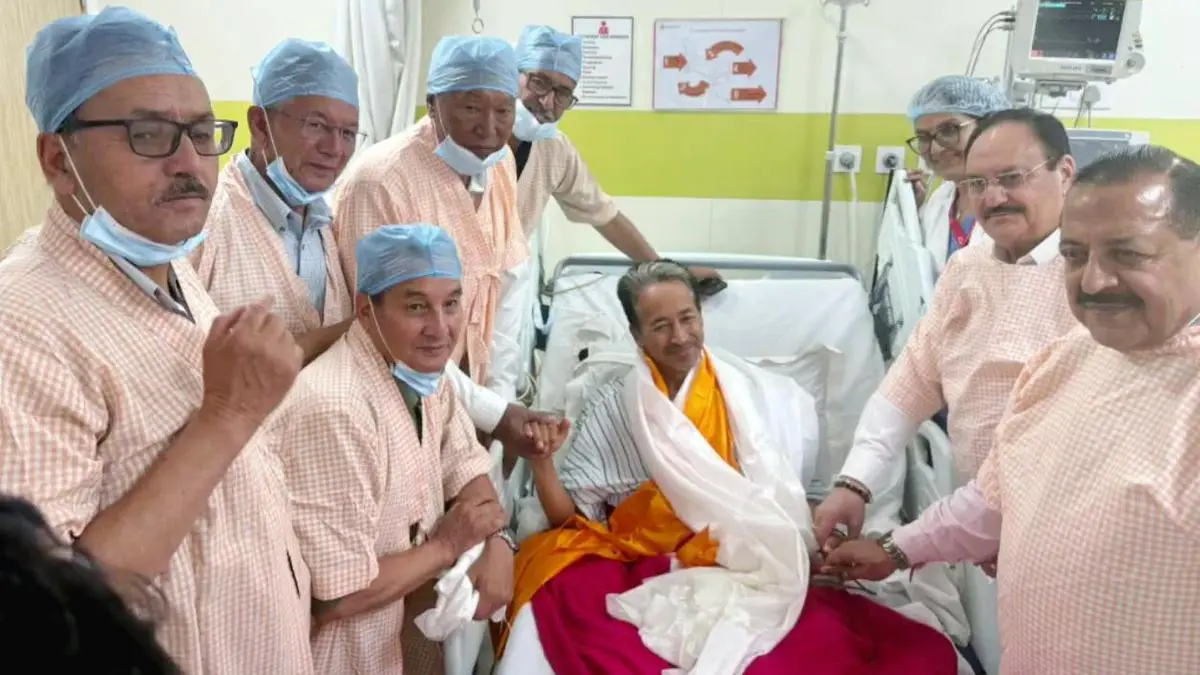
Activist Sonam Wangchuk's 26-day fast and a Gen Z movement called the Cockroach Janta Party forced Education Minister Dharmendra Pradhan's resignation over exam paper leaks.
Continue with
A 26-day hunger strike by a 59-year-old social activist from the Himalayan region of Ladakh helped force the resignation of India's education minister, handing a rare political win to a Gen Z protest movement that called itself the Cockroach Janta Party.
Education Minister Dharmendra Pradhan resigned Saturday, days after activist Sonam Wangchuk was hospitalised by police in Delhi. Wangchuk had been fasting over exam paper leaks that affected millions of students across India. The youth-led CJP, whose name translates to Cockroach People's Party, held a sit-in alongside his fast, turning scattered outrage into a sustained national pressure campaign.
"It's a victory of democracy, direct democracy... straight from the streets," Wangchuk said from his hospital bed, still wearing an ID band on his wrist, having broken his fast only a day earlier. "It's a victory of peace, patience and perseverance."
The protests started after question papers for several state-level entrance exams were leaked online, forcing cancellations and delays that disrupted academic calendars for hundreds of thousands of students. The CJP, founded by Abhijeet Dipke, used social media to organise sit-ins across multiple cities. Wangchuk's hunger strike gave the movement a figurehead whose moral authority transcended party lines.
Even before police moved him to hospital a week ago, comparisons to Mahatma Gandhi were circulating on Indian social media. Wangchuk dismissed them. "I am no Gandhi, no hero," he said while fasting. "I'm just an ordinary citizen who has not shied away from his responsibilities."